Retinol Serum: Compare Strength, Stability, and Fit
A retinol serum can be an elegant way to add a vitamin A derivative to a focused skincare routine, but choosing one should involve more than comparing the largest percentage on a label. The vehicle, packaging, storage guidance, skin goal, and rest of your routine all influence whether a formula is practical enough to use consistently.
Explore BABOR's Retinol Refining Serum
This guide explains how to assess a retinol serum with a professional, evidence-led lens. It focuses on selection and routine fit, not on replacing personalized medical advice or presenting one strength as right for everyone.
What should you look for in a retinol serum?
A well-chosen retinol serum should offer a clearly identified vitamin A ingredient, a concentration appropriate for your experience and skin tolerance, packaging that supports product stability, and a texture you can use as directed. The best choice is the one that fits your goals and routine well enough to use steadily without unnecessary irritation.
Start by defining the job you want the product to do. A retinol serum may be considered for the appearance of fine lines, uneven tone, rough texture, or visible signs of photodamage. Those goals overlap, but they do not require an aggressive approach. The American Academy of Dermatology recommends starting with the least intense retinoid approach that addresses the concern and building gradually as the skin adjusts. Read the AAD overview of retinoid and retinol use.
Next, assess the complete product rather than a single number. A label percentage can help you compare products within a familiar range, but percentages are not always directly comparable across formulas. The ingredient form, delivery system, supporting ingredients, packaging, and directions all affect the experience on skin. A lower-strength product that you can use regularly may serve your routine better than a stronger product that you stop using after discomfort.
How does concentration affect retinol serum selection?
Concentration is one part of retinol serum selection, not a universal score for performance. It can indicate how much retinol a formula contains, but it does not describe stability, release, supporting ingredients, or your personal tolerance. Compare the stated level with the directions and your experience, rather than treating the highest percentage as the automatic winner.
Read the percentage in context
When a percentage is provided, record it as one data point. The same number can behave differently in different vehicles, and some products use a retinol derivative or a blend rather than retinol itself. Look for the exact ingredient terminology, usage instructions, and any information the brand provides about the formula. If the label does not make the active clear, ask the brand or a qualified skincare professional before buying.
Match intensity to experience
Beginners often benefit from a less ambitious starting point. If you already use a retinoid comfortably, you may have a different starting point than someone who is new to vitamin A skincare, has a dry or reactive complexion, or has recently used exfoliating products. Your recent routine matters as much as your long-term skincare history.
Do not introduce several strong actives at once. Adding one retinol serum at a time makes it easier to understand how your skin responds. It also avoids the common mistake of attributing irritation to the wrong product. If persistent burning, swelling, or a severe reaction occurs, stop using the product and seek professional guidance.
Why does stability matter in a retinol serum?
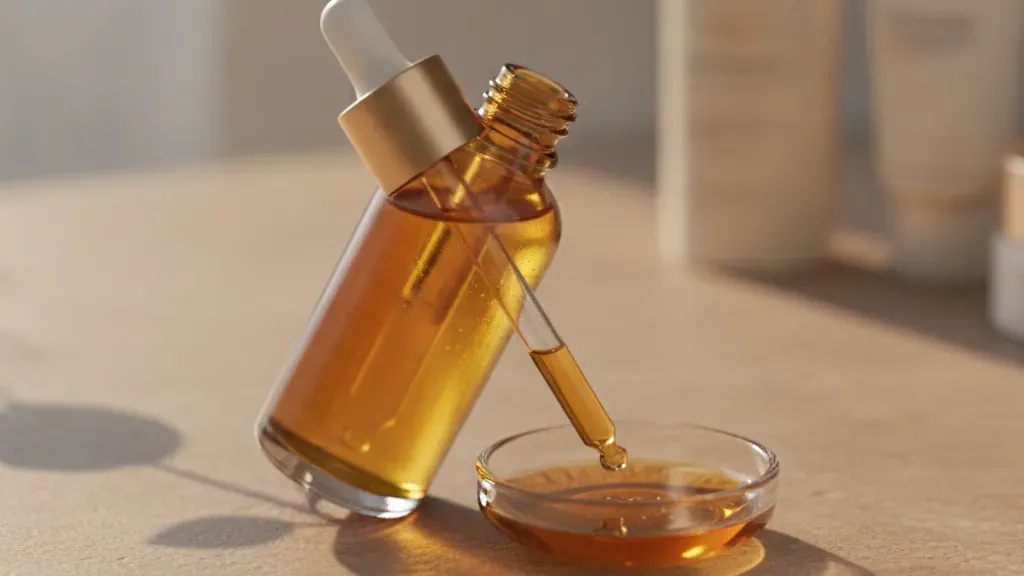
Retinol is sensitive to environmental stressors, including light, heat, and oxygen. A retinol serum is therefore judged not only by its opening-day label, but also by how thoughtfully it is packaged, stored, and used after opening. Protective packaging and careful storage can help preserve product quality, but they cannot make an unsuitable routine comfortable.
Research on topical retinoids describes photostability and formula conditions as important considerations, while a 2024 serum stability study examined how retinol concentration changed under different post-opening storage conditions. These sources support a practical conclusion: protect retinol products from direct light and heat, close the container promptly, and follow the manufacturer's storage and use instructions. See the review of topical-agent photostability and the study of retinol serum stability after opening.
Evaluate the package
Look for packaging that limits unnecessary exposure to light and air, such as an opaque container or an air-restrictive dispenser. This does not mean that one package type is right for every formula. Treat packaging as a signal to investigate alongside the ingredient list, directions, and brand storage guidance.
Build good storage habits
- Keep the retinol serum in a cool, dry place away from direct sunlight.
- Close the container immediately after dispensing the product.
- Do not transfer the serum into another jar or dropper bottle.
- Follow the brand's instructions for the period after opening and discard the product when directed.
- Notice changes in color, scent, or texture, and contact the brand if you are unsure whether the product remains suitable.
Which retinol serum texture fits your routine?
The right serum texture is the one that layers comfortably with the products you already use and supports the required frequency. A lightweight serum may suit a layered evening routine, while a richer serum can feel more comfortable for a dry complexion. Texture is not merely cosmetic: it influences whether you apply the product consistently and in the correct order.
| What to compare | Why it matters | Question to ask before choosing |
|---|---|---|
| Texture | Determines how the product layers with moisturizer and other evening steps. | Will I enjoy applying this texture on the nights I plan to use it? |
| Dispenser | Controls how easily you can dispense a small, consistent amount while limiting exposure. | Can I close and store the package easily? |
| Supporting formula | May affect comfort, spreadability, and how the serum fits a dry or reactive complexion. | Does the full ingredient list suit my existing routine? |
| Directions | Set the intended frequency and application method for the product. | Can I follow the directions without changing several other steps? |
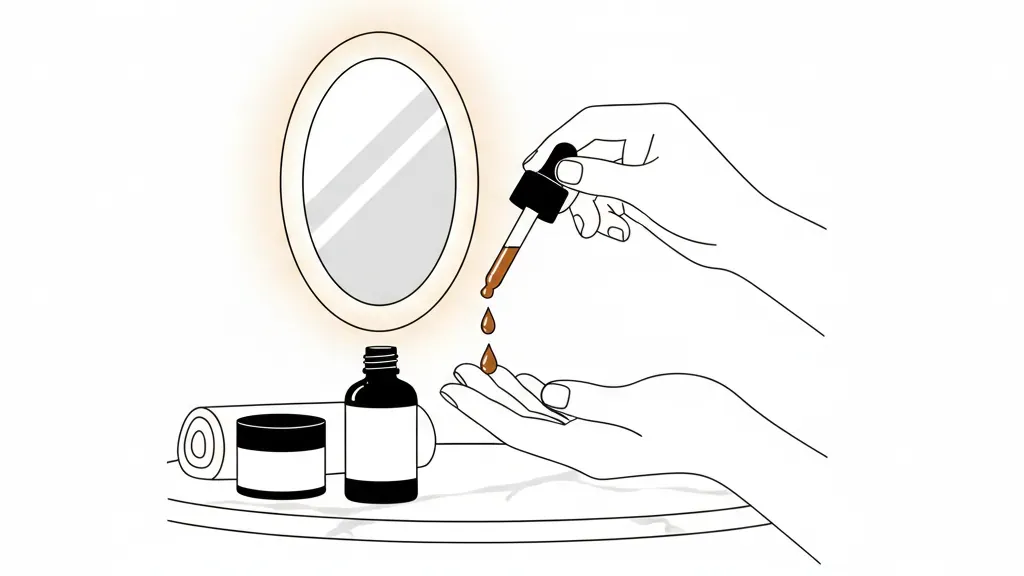
Use a small amount as directed rather than assuming that more product will produce faster results. Apply the serum to the skin condition specified by the brand, then follow with moisturizer if needed. If you are layering several products, keep the routine simple during the introduction period so you can evaluate comfort accurately.
Browse BABOR serums by skincare goal
How should you introduce a retinol serum?
Introduce a retinol serum gradually, usually in the evening and according to the product's directions. Begin with a low frequency, observe how your skin responds over several applications, and increase only if the product remains comfortable. Use broad-spectrum sun protection during the day, because retinoid routines and sun exposure require careful management.
- Patch-test thoughtfully. If the brand recommends a patch test, follow that guidance. A small-area test does not guarantee that a product will suit the whole face, but it can be a useful first step.
- Start with one or two evenings each week. Leave space between applications while you learn how your skin responds. Do not increase frequency simply because the first application feels comfortable.
- Keep the rest of the routine supportive. Use a gentle face wash, a moisturizer suited to your skin, and daily sun protection. Avoid making several other changes at the same time.
- Increase slowly, if appropriate. When the product remains comfortable, follow the brand's directions for progressing. There is no benefit to forcing a schedule that your skin cannot tolerate.
- Reassess the whole routine. If dryness or irritation develops, reduce frequency and review other active products. Persistent or severe symptoms warrant professional advice.
Some people should speak with a dermatologist or other qualified clinician before using a retinoid, particularly when managing a skin condition, significant sensitivity, or a pregnancy-related skincare question. The AAD notes that personal health history can change which retinoid approach is appropriate. Keep the selection decision personal, cautious, and grounded in the product directions.
What should not be used with a retinol serum?
A retinol serum can fit into a broader routine, but adding multiple high-activity products on the same night can make irritation harder to prevent and diagnose. During introduction, avoid stacking the serum with several exfoliating acids, abrasive treatments, or other retinoids unless a qualified professional or the product directions specifically support that plan.
This is a routine-management decision, not a rule that every active ingredient must be excluded forever. Once your skin is comfortable, a professional can help you decide whether separate nights or a different order makes sense. The simplest routine is often the easiest to evaluate: wash, apply the retinol serum as directed, moisturize as needed, and use daytime sun protection.
Remember that retinol serum selection and retinol cream selection answer related but distinct questions. A serum may be preferred for its texture and place in a layered routine, while a cream may be chosen for a different feel. Do not transfer the frequency or amount from one product to another without checking its own directions.
How do BABOR products fit a professional skincare routine?
BABOR's serum collection gives shoppers a starting point for exploring targeted textures and skincare goals, while the DOCTOR BABOR line provides a professional skincare context for ingredient-focused routines. The product page, ingredient list, directions, and any available professional guidance should remain the source of truth for a specific formula.
For a product-specific starting point, review the BABOR Retinol Refining Serum. Readers comparing concentrated formats can also review the BABOR Power Serum Ampoule Retinol. These links are product references, not a suggestion that every skin concern requires the same active or the same schedule.
Founded in Germany in 1956, BABOR brings decades of professional skincare experience to an approach centered on targeted care, considered routines, and product guidance. Whether you select a retinol serum or another targeted serum, consistency and comfort are more useful measures than a single headline number.
Explore the DOCTOR BABOR skincare line
Frequently Asked Questions About Retinol Serum
Choosing a retinol serum is a process of matching formula design with your skin's current needs. Revisit the label, directions, packaging, and routine whenever your goals or tolerance change. If you are uncertain about a persistent reaction or a health-related question, pause and seek qualified professional guidance rather than increasing frequency on your own.
Keep a simple record of the product, application nights, and any changes in comfort. That small habit helps separate a formula issue from a routine issue and supports more measured decisions over time.
Is a higher percentage always better in a retinol serum?
No. A higher stated percentage does not automatically make a retinol serum the right choice. Consider the ingredient form, vehicle, packaging, storage requirements, directions, and your tolerance. A product that you can use consistently and comfortably may be more suitable than a stronger product that causes irritation.
How often should a beginner use a retinol serum?
Follow the product directions, but beginners commonly start with a low frequency such as one or two evenings per week. Leave time between applications to assess comfort, then increase gradually only when appropriate. Reduce frequency if dryness or irritation develops, and seek professional guidance for persistent symptoms.
Does a retinol serum need special packaging?
Retinol is sensitive to light, heat, and oxygen, so packaging that limits exposure can support product stability. Store the serum as directed, close it promptly, and keep it away from direct sunlight and heat. Packaging is one selection factor, not a substitute for proper storage or a suitable routine.
Can you use a retinol serum every night?
Some people may eventually tolerate frequent use, but you should not assume nightly application is appropriate for every product or complexion. Begin according to the directions and increase only if your skin remains comfortable. Use moisturizer as needed and protect your skin from the sun during the day.
What is the difference between a retinol serum and a retinol cream?
The main distinction is the vehicle and texture, which can change how a product layers and feels on skin. A retinol serum is often selected for a lightweight, targeted step, while a retinol cream may provide a different feel. Compare each product's directions and ingredient list rather than transferring assumptions between them.