
The best lifting cream for over 50 is not a single formula that suits everyone. Choose by your skin’s hydration needs, preferred texture, tolerance, and routine; a cream can moisturize and improve the look of dryness, but it cannot reproduce a procedure or promise a particular degree of lifting.
Get personalized skincare guidance
What should a lifting cream do for skin over 50?
“Lifting cream” is a shopping phrase, not a precise formula category. Products sold under this description may emphasize hydration, a smoother-looking surface, richer emollient textures, or ingredients associated with mature-skin routines. The name alone does not tell you how a product will feel or whether it fits your skin.
With age, many people notice that their skin feels drier, looks less supple, or responds differently to familiar products. Those experiences vary. Skin type, environment, health, medications, and daily habits also influence how skin looks and feels. A cream’s most dependable role is to moisturize and support a comfortable routine. The appearance of fine lines may look softer when dryness is addressed, but that is different from physically lifting tissue.
For a useful purchase, translate “lifting” into a goal you can evaluate: more lasting comfort, a richer evening texture, a less tight feeling after cleansing, or a routine that is easier to use consistently. If your main concern is a new rash, persistent irritation, sudden changes, or a condition that needs diagnosis, a skincare product comparison is not a substitute for a qualified health professional.
How do you choose a cream by skin need?
Start with how your skin behaves now, rather than the age printed on a product label. Ask yourself when dryness appears, how your skin responds to a richer formula, and whether you want one moisturizer for morning and evening or separate textures. Your answers are more actionable than choosing a product because it is marketed to a particular decade.
If your skin feels tight or looks flaky
Consider a cream with a comfortable, nourishing texture that you are willing to apply regularly. Start with a small amount on freshly cleansed, dry skin and observe how it feels. A rich cream can be a sensible option if lighter lotions leave your skin feeling uncomfortable, but a heavy texture is not automatically a better match. If it feels greasy, pills under other products, or makes you avoid your routine, try a lighter amount or a different format.
If your skin is combination or easily feels congested
Look for a texture that feels balanced in the areas where you plan to use it. You may prefer a lighter cream over the whole face and a richer layer only where skin feels dry. There is no need to force one product to behave identically on every part of the face. Introduce a new product gradually and pay attention to comfort rather than relying on a promise tied to age.
If your skin is sensitive or your routine is already active
Keep the selection process simple. Read the full ingredient list, follow the product directions, and introduce one new product at a time so you can better notice how your skin responds. Avoid stacking several unfamiliar products in the same week. If a product causes ongoing burning, redness, or discomfort, stop using it and seek appropriate professional advice rather than trying to cover the reaction with another cream.
Which cream format may fit your goals?
Use the comparison as a starting point, not a ranking. “Best” depends on what your skin needs and what you will use consistently. Product names and marketing claims cannot replace a look at the complete formula, directions, or your own experience.
| Option | May suit | What to assess | Practical trade-off |
|---|---|---|---|
| Richer face cream | Skin that often feels dry or tight and prefers a substantial finish | Comfort after application, absorption, and how it layers with sunscreen | Can feel too heavy for some skin or climates |
| Lighter daily moisturizer | Combination skin or anyone who dislikes a rich finish | Whether it provides enough comfort through the day | May not feel nourishing enough in dry conditions |
| Targeted serum plus moisturizer | Someone who wants a separate treatment step and can maintain a few layers | Directions, tolerance, and compatibility with the rest of the routine | More steps can make a routine harder to follow |
| Time-limited ampoule treatment | Someone interested in a defined, short-course format | Usage instructions, number of steps, and whether the format fits existing habits | It complements rather than replaces a suitable moisturizer |
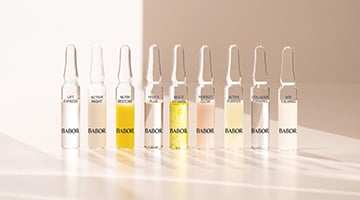
For example, BABOR’s portfolio includes the HSR advanced anti-aging line, a collagen-peptide booster cream in a rich format, and Ampoule Concentrates described as seven-day treatments. Those names and formats can help narrow what to explore, but they do not establish that one option is right for every person over 50. Compare the product directions and full ingredient information, then consider which texture and routine structure you are most likely to maintain. Browse BABOR’s product selection or review ingredient terminology as part of that process.
How should you evaluate ingredients and claims?
Ingredient lists are useful for comparing formulas, but an ingredient name on its own does not tell the whole story. The finished formula, how it is used, and your individual response matter. Avoid treating a long list of fashionable actives as proof that a cream will create a visible lift.
- Start with the product’s role. Decide whether you are looking for a daily moisturizer, a treatment step, or both. A product may have a sophisticated name but still occupy one of those practical roles in your routine.
- Read the full directions. Check how often to apply it, whether it is intended for morning or evening use, and whether the brand recommends pairing it with other steps.
- Check your own tolerance. If you have reacted to certain products before, review the complete ingredient list and consider asking a qualified professional for individualized advice.
- Interpret claims carefully. Words such as “firming,” “lifting,” or “rejuvenating” do not guarantee a specific outcome. Look for clear descriptions of a product’s intended cosmetic role instead of assuming a claim means a lasting structural change.
- Choose a usable texture. A formula that feels pleasant and fits your routine is more practical than one you leave untouched because it is too heavy, too light, or difficult to layer.
When comparing BABOR options, the bestseller selection can serve as a way to browse, not as evidence that a product will suit your particular skin. The brand’s sets and routines may also be useful if you prefer to consider coordinated steps. In either case, check the current product page for the details that matter to you rather than relying on a category label alone.
How do you build a simple routine around a lifting cream?
A straightforward routine makes it easier to assess whether a moisturizer works for you. You do not need to add several new products at once. Give each change enough time for you to notice whether the texture and routine feel comfortable, and follow the directions on the product you choose.
- Cleanse gently. Use a cleanser that leaves skin comfortable, then pat dry. If cleansing itself leaves your face feeling tight, reconsider the cleanser or how often you use it.
- Apply optional treatment steps. If you already use a serum or ampoule, follow its directions and apply it in the order advised on the label. Introduce unfamiliar products one at a time.
- Apply moisturizer. Use an amount appropriate to the product directions. Spread it evenly without vigorous rubbing, and adjust the amount or texture if the finish does not feel comfortable.
- Use sun protection in the morning. A moisturizer marketed for lifting is not a substitute for sunscreen. The American Academy of Dermatology provides general public guidance on sun protection at aad.org; follow sunscreen directions and seek qualified advice for individual concerns.
- Keep the routine consistent and review it. Notice how your skin feels and whether the routine is manageable. Change one element at a time so it is easier to identify what works or causes discomfort.
For help narrowing a routine, use the BABOR skincare advisor or find a BABOR retailer for product guidance. A consultation can help you consider preferences and product fit, but it should not be treated as a medical diagnosis.
How do season, amount, and layering affect the fit?
A formula that feels comfortable in one setting may feel different when the weather, indoor heating, or your other routine steps change. Treat texture as part of product fit. In colder or drier conditions, you may prefer a more substantial cream, while a lighter texture may feel easier to wear in humid weather. These are preferences to test, not rules based on age. If your skin is comfortable with the current routine, there is no need to change it just because the season has changed.
Application amount can also affect the finish. Follow label directions, and avoid assuming that applying more will produce a stronger lifting effect. Too much product may feel heavy or interfere with how another layer sits. If your moisturizer pills when used with a serum or sunscreen, try allowing layers to settle according to their directions or simplify the routine. Change one factor at a time so you can tell whether the issue is amount, order, or formula.
Consider the full routine when choosing a cream. A moisturizer used in the morning needs to work with the sun-protection step that follows; an evening cream may be chosen for a different texture preference. If you use makeup, consider whether the moisturizer leaves a finish you enjoy under it. There is no universal best order for every product, so follow each item’s instructions and avoid layering products that make your skin uncomfortable.
How can you compare two formulas fairly?
Use a simple comparison rather than changing several parts of your skincare routine at once. First, write down the main reason you are considering a new cream. It might be dryness after cleansing, an unpleasantly tight feeling during the day, or a texture that is difficult to wear beneath sunscreen. A clear starting point helps you judge the product against a real need instead of a broad promise.
Next, check each product’s intended role, texture description, directions, and full ingredient information. Note whether it is a moisturizer or a separate treatment, how often it should be applied, and whether you already use similar steps. Then decide which one is the more practical fit for your daily routine. If you choose to try one, keep the rest of your routine steady at first and make a brief note of how it feels, how it layers, and whether you want to keep using it.
Do not treat a personal comparison as a clinical test or a guarantee of efficacy. Skin can respond differently over time, and everyday factors can affect how it looks and feels. Stop if you experience persistent irritation or discomfort, and seek qualified guidance when a skin concern needs attention. This measured approach can help you avoid buying multiple products at once and gives you a clearer basis for deciding whether to continue, adjust, or choose another texture.
What does “results” mean when comparing lifting creams?
Set an expectation that matches a moisturizer’s role. You may be assessing whether skin feels more comfortable, whether a formula layers well, or whether dryness looks less noticeable. Those are different questions from asking a cream to create a lasting lift. No age group has a single predictable response, and photographs or marketing language cannot guarantee your personal outcome.
Give priority to practical observations: Does the product feel comfortable after application? Does it work with the other products you use? Can you follow the directions without irritation or a complicated routine? A short note on texture, timing, and any discomfort can help you make a measured decision. If you are comparing two formulas, avoid introducing both at once; otherwise it can be difficult to tell which one affected your skin.
It is also reasonable to decide that a particular cream is not for you. A higher price, a “firming” label, or a more elaborate routine does not guarantee a better personal fit. If your concern is primarily a medical issue, persistent irritation, or a change that worries you, consult an appropriate health professional instead of escalating cosmetic products.
How can you make a confident product choice?
Before buying, use this short checklist:
- Identify the skin experience you want to address: dryness, tightness, texture preference, or routine simplicity.
- Choose a format that matches that need, rather than assuming every mature-skin routine requires the richest cream.
- Read the current product page and full ingredient information, plus the instructions for use.
- Consider whether the product fits your morning or evening routine and layers comfortably with sunscreen or other steps.
- Introduce it gradually and pay attention to your own response.
- Set realistic expectations: a moisturizer may improve comfort and the appearance of dryness, but a cosmetic cream cannot guarantee a lifted appearance.
Among BABOR’s options, HSR represents an advanced anti-aging line, while the collagen-peptide booster cream is specifically identified as a rich cream format. Ampoule Concentrates offer a different, time-limited treatment format. These are distinct ways to shop, not a universal ranking. Review available product details and select the option whose format and directions align with your needs. You can also explore BABOR skincare articles for additional routine guidance.
Explore BABOR skincare options
Frequently Asked Questions
Can a lifting cream actually lift skin after 50?
A topical cream can moisturize and may make the look of dryness less noticeable, but the phrase “lifting cream” does not guarantee a physical or lasting lift. Assess products by their formula, directions, texture, and fit with your skin rather than by the label alone.
Should I choose the richest cream available?
Not necessarily. A richer texture may be appealing if your skin often feels dry, while a lighter formula may feel more comfortable for combination skin or in a warm climate. Choose based on how your skin feels and what you will use consistently.
Can I use a serum or ampoule with my moisturizer?
Many routines include a treatment step and a moisturizer, but follow the directions for each product and introduce new formulas gradually. If you are unsure how products fit together or have a history of sensitivity, seek individualized guidance from a qualified professional.
How long should I try a new cream?
Follow the product’s directions and assess whether it feels comfortable and fits your routine. Stop using it if it causes persistent discomfort or irritation. There is no single trial period that guarantees a result for everyone; consult a qualified professional about concerning or ongoing skin reactions.
Does a lifting cream replace sunscreen?
No. A moisturizer marketed for lifting is not a sunscreen unless it is specifically labeled with sun-protection information, and it does not replace following sunscreen directions. Consult the American Academy of Dermatology’s general sun-protection information and ask a qualified professional about personal concerns.
The best choice is the formula that fits your skin’s current needs, feels comfortable, and supports a routine you can maintain with realistic expectations.