
Walking into a beauty store can feel like a pop quiz you didn't study for. With countless jars promising to firm, plump, and hydrate, how do you know which one actually works? The secret to finding the best face cream with collagen and hyaluronic acid is learning to look past the marketing claims on the front of the box. The real magic is in the complete formula—the supporting ingredients, the molecular science, and the texture that’s right for your specific skin type. In this article, we’ll cut through the confusion and give you a clear, simple guide to choosing a cream that truly delivers on its promises for smoother, healthier-looking skin.
Key Takeaways
- Think Structure and Hydration: Collagen is your skin's framework, responsible for firmness, while hyaluronic acid is its moisture-magnet, responsible for plumpness. The most effective creams use both to tackle signs of aging from two essential angles.
- Read the Full Ingredient List, Not Just the Hype: A cream's true power lies in its supporting cast. Look for peptides and antioxidants that encourage your skin's natural collagen production, and always select a texture that feels right for your specific skin type.
- Focus on Consistency and Correct Layering: You'll feel immediate hydration, but visible firming takes time and consistent daily use. To get the best results, apply your products from thinnest to thickest and always finish your morning routine with sunscreen.
Why Your Skin Loves Collagen and Hyaluronic Acid
Think of collagen and hyaluronic acid as your skin's dynamic duo. They're both naturally found in your body and are the key players responsible for that firm, plump, and hydrated look we all love. As we get older, our natural supply of both starts to decline, which is where a great skincare routine comes in. By adding these ingredients back into your skin topically, you’re giving it the support it needs to stay resilient and radiant.
Collagen is like the scaffolding for your skin. It’s a protein that provides structure, firmness, and elasticity. When your collagen levels are high, your skin is firm and resists sagging. Marine Collagen, a key ingredient in many advanced formulas, is particularly effective at enhancing skin firmness. Supporting your skin’s collagen is fundamental to maintaining a smooth, youthful-looking complexion. The powerful, high-performance formulas in our DOCTOR BABOR line are specifically designed to address these structural needs.
If collagen is the scaffolding, hyaluronic acid is the cushion. This incredible molecule can hold up to 1,000 times its weight in water, acting like a magnet for moisture. When applied to your skin, it draws in hydration, giving you an immediate plumping effect that smooths out the appearance of fine lines. Not all hyaluronic acid is created equal, though. High molecular weight HA sits on the skin's surface to provide a protective barrier, while low molecular weight HA penetrates deeper for more intensive hydration. This multi-level approach is why you’ll find it in everything from cleansers to serums, ensuring your skin gets that dewy glow from the inside out.
How to Choose the Best Collagen and Hyaluronic Acid Cream
Walking down the skincare aisle can feel overwhelming. With so many jars and bottles promising plump, hydrated skin, how do you pick the right one? When it comes to creams with collagen and hyaluronic acid, the secret isn’t just finding a product with those two ingredients on the label. The best formulas are much more nuanced.
To find a cream that truly delivers, you need to become a bit of a detective. It’s about looking past the marketing claims on the front of the box and turning it over to scan the full ingredient list. The effectiveness of a cream often comes down to the supporting ingredients that work alongside the headliners. The way a product is formulated—specifically, the size of its molecules—also plays a huge role in how well it can do its job. And of course, the texture has to feel right for your specific skin type. A cream that works wonders for your friend with dry skin might not be the best fit for your oily complexion. Let’s get into what you should look for to find the perfect match for your skin.
Look for These Supporting Ingredients
A great collagen and hyaluronic acid cream is like a great team—the star players are important, but the supporting cast makes all the difference. For a cream to do more than just moisturize, it needs other ingredients that encourage your skin to produce its own collagen. When you’re scanning the label, keep an eye out for peptides and amino acids, which are the building blocks of protein and essential for firm skin.
You’ll also want to see powerhouse ingredients like Vitamin C, a potent antioxidant that helps protect your existing collagen from environmental damage. Retinoids are another fantastic addition, as they are well-known for their ability to support cell turnover and collagen synthesis. Beyond the firming ingredients, look for calming and hydrating helpers like niacinamide to improve the overall health and appearance of your skin. These additions are what make a good moisturizer a truly exceptional one.
Why Molecular Weight Matters
Here’s a little skincare science that’s actually pretty simple: size matters. Collagen is a very large molecule. Because of its size, it can’t easily penetrate the deeper layers of your skin when applied topically. Instead, it sits on the surface, where it does a fantastic job of hydrating and giving your skin a temporary plumping effect. This is why the overall quality of the formula is so important.
Since the collagen molecule itself isn't sinking in deep, the cream needs to contain other, smaller ingredients that can get through. This is where those supporting ingredients we just talked about, like peptides, come in. These smaller molecules can penetrate the skin's surface and act as messengers, signaling your skin to ramp up its own natural collagen production. So, while topical collagen provides surface-level benefits, the best collagen creams are formulated with other ingredients that work on a deeper level to firm and smooth your skin over time.
Finding the Right Texture for You
The best cream in the world won’t do you any good if you don’t enjoy using it, and texture plays a huge part in that experience. The right texture for you depends entirely on your skin type. If your skin is oily or you’re prone to breakouts, a heavy, rich cream can feel suffocating and might clog your pores. Instead, look for a lightweight gel or gel-cream formula that provides hydration without the weight.
On the other hand, if your skin is on the drier side, it will drink up a thicker, richer cream. These more emollient textures are perfect for providing lasting hydration and creating a protective barrier to prevent moisture loss, especially overnight. Lighter lotions and gels often work best for daytime use under makeup, while richer creams can work their magic as you sleep. Finding a texture you love will make you look forward to your skincare routine every day.
Our Top Picks for Collagen and Hyaluronic Acid Creams
Ready to find your perfect match? I’ve tested and researched some of the best creams out there that combine the firming power of collagen with the hydrating magic of hyaluronic acid. This list includes a mix of luxury formulas and trusted drugstore finds, so you can find the right fit for your skin and your budget. Each one brings something special to the table, from spa-grade ingredients to lightweight textures perfect for daily wear. Let’s get into the creams that truly deliver on their promises for smoother, plumper, and more radiant skin.
BABOR DOCTOR BABOR Collagen-Peptide Booster Cream
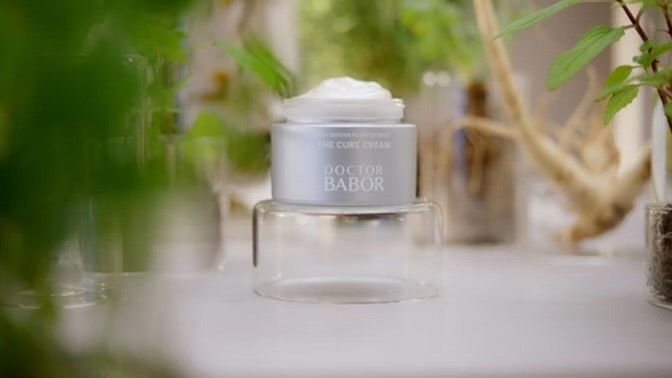
It’s no surprise that my top pick is the DOCTOR BABOR Collagen-Peptide Booster Cream. This is a truly high-performance formula designed to give you that professional facial result at home. It uses a potent combination of marine collagen to help firm up skin contours and prevent sagging, while multiple forms of hyaluronic acid provide intense, multi-level hydration. The texture is rich yet it absorbs beautifully, leaving your skin feeling incredibly smooth and supple, not greasy. It’s the perfect choice if you’re serious about improving skin elasticity and getting that youthful bounce back.
For Dry Skin
If your skin often feels tight, flaky, or thirsty, your goal is to find a cream that delivers deep, lasting hydration and helps fortify your skin’s moisture barrier. Look for richer, more emollient textures that feel nourishing upon application. These creams often contain lipids and ceramides that help lock in moisture and prevent water loss throughout the day. When you’re browsing, seek out rich moisturizers specifically described as "hydrating," "nourishing," or "restorative." A well-formulated cream for dry skin should leave your face feeling soft, plump, and comfortable, not greasy.
For Oily and Combination Skin
For those with oily or combination skin, the key is to find a product that hydrates without adding excess weight or clogging pores. Heavy creams can feel suffocating and may contribute to breakouts. Instead, opt for lighter formulations like gel-creams or water-based lotions. These textures absorb quickly and provide essential moisture without a greasy residue. Many lightweight formulas also offer a matte or satin finish, which can help control shine. Your skin still needs hydration to stay balanced—stripping it of moisture can actually cause it to produce more oil—so don't skip this important step.
For Sensitive Skin
Sensitive skin requires a gentle touch. If your skin is prone to redness, irritation, or reactions, you’ll want to be extra mindful of the ingredient list. Look for creams that are free of common irritants like fragrance and alcohol. Instead, prioritize soothing and strengthening ingredients like peptides, ceramides, and niacinamide, which help calm the skin and support its natural barrier. It’s always a good idea to patch-test a new product before applying it all over your face. Exploring gentle skincare products formulated to be non-comedogenic will help you find a cream that calms and comforts your skin.
What Results Can You Realistically Expect?
Let’s talk about what a great collagen and hyaluronic acid cream can actually do for your skin. While these creams are fantastic for hydration and giving your skin a visible lift, it's helpful to have realistic expectations. Think of them less as a time machine and more as a powerful support system for your skin. Immediately after you start using one, you’ll likely notice that your skin feels more hydrated, looks plumper, and has a smoother texture. This is the hyaluronic acid and topical collagen working their surface-level magic, drawing in moisture and giving you that dewy, fresh-faced look.
The long-term benefits, like improved firmness and elasticity, come from consistent use and a smart formulation. The best creams don’t just rely on collagen and hyaluronic acid alone; they include a team of powerhouse ingredients that work together. These formulas are designed to protect the collagen you already have while encouraging your skin to produce more on its own. So, while you’ll love the instant gratification of softer, more hydrated skin, the real payoff comes from making it a dedicated part of your daily shop skincare routine. It’s all about giving your skin the tools it needs to stay strong and resilient.
How Long Until You See a Difference?
You’ll likely feel some benefits right away. The hyaluronic acid in these creams gets to work immediately, quenching thirsty skin and giving it a plumper, more hydrated appearance within minutes of application. This can also help soften the look of fine lines that are caused by dryness.
For more lasting changes in firmness and elasticity, patience and consistency are your best friends. Think of it as "banking" your skin's collagen—you're helping it maintain what it has and supporting its ability to create more over time. With dedicated morning and night application, you could start to see a noticeable improvement in your skin’s texture and bounce within four to eight weeks.
Setting the Record Straight on Topical Collagen
Here’s a little skincare science for you: the collagen molecules found in most creams are too large to penetrate the deepest layers of your skin, where your natural collagen is produced. So, does that mean they’re useless? Absolutely not. Topical collagen is an excellent hydrator. It sits on the surface of your skin, where it helps to smooth, plump, and moisturize, giving you that immediate visible improvement.
To truly support your skin’s own collagen production, you need a cream that also features other key ingredients. Look for formulas that include peptides, vitamin C, or retinoids. These ingredients have a smaller molecular size and are proven to send signals to your skin cells to ramp up their natural collagen synthesis. A well-formulated moisturizer combines the surface-level benefits of collagen with the deeper work of these supporting ingredients for the best results.
Debunking Common Collagen and Hyaluronic Acid Myths
With so much information out there, it’s easy to get your wires crossed about what collagen and hyaluronic acid can—and can’t—do in your skincare. These ingredients are true powerhouses, but they work in very specific ways. Let's clear the air and separate fact from fiction so you can choose your products with confidence.
Myth 1: Topical collagen can replace lost collagen.
Here’s the deal: the collagen molecules found in most creams are too large to penetrate the deeper layers of your skin where your natural collagen lives. So, a cream can't simply add new collagen directly into your skin's structure. However, that doesn't mean they're ineffective. These creams are fantastic at providing surface hydration, which helps your skin look temporarily plumper and smoother. The best formulas work by using other ingredients to encourage your skin to produce more of its own collagen, giving you long-term firming benefits.
Myth 2: Hyaluronic acid and collagen do the same thing.
While both are famous for creating a youthful, supple look, they have very different jobs. Think of hyaluronic acid as a moisture magnet. It’s a humectant that can hold up to 1,000 times its weight in water, drawing hydration into the skin for that immediate dewy, plump effect. Collagen, on the other hand, is a protein that provides your skin’s structural framework, keeping it firm and resilient. Effective collagen creams are designed to protect the collagen you have and stimulate new production, which is a different goal than simply adding hydration.
Myth 3: All collagen creams are created equal.
The name on the jar can be misleading. A cream’s ability to actually support your skin’s firmness depends entirely on its complete formulation. For a cream to truly help your skin make more of its own collagen, it needs to be formulated with proven supporting ingredients. Experts agree that you should look for powerful additions like peptides, vitamin C, or other antioxidants. These ingredients act as messengers, signaling your skin cells to ramp up their natural collagen production. This is why sophisticated lines like DOCTOR BABOR focus on high-tech formulas that combine ingredients for maximum effect.
Get the Most Out of Your Cream: Application Tips
You’ve invested in a fantastic face cream packed with collagen and hyaluronic acid—a great first step! But to truly see the plumping, hydrating results you’re looking for, how you apply it matters just as much as what’s inside the jar. Think of it like this: you wouldn't buy a designer dress just to leave it crumpled in the closet. Your skincare deserves the same thoughtful attention. Proper application ensures that the active ingredients penetrate your skin effectively, rather than just sitting on the surface or getting wiped away. It also helps your other products work in harmony, creating a synergistic effect that leads to better overall results. A few simple tweaks to your routine can make a world of difference, ensuring your skin soaks up every last drop of those powerful ingredients. Let's walk through the best practices for applying your cream so you can get the radiant, healthy-looking skin you deserve.
When to Apply: AM vs. PM
For the best results, consistency is your best friend. Using your cream every day is essential. Whether you apply it in the morning, at night, or both often depends on the specific formula. Many collagen and hyaluronic acid moisturizers are perfect for both AM and PM use. However, check the ingredient list. If your cream contains powerful actives like retinol, it’s best to use it at night, as retinol can make your skin more sensitive to the sun. And here’s the golden rule that’s non-negotiable: always finish your morning routine with a broad-spectrum sunscreen of SPF 30 or higher. This protects your skin and the hard work your products are doing.
How to Layer with Your Other Products
Your face cream works best as part of a team. To get the most out of it, you need to apply your products in the right order. A good rule of thumb is to go from the thinnest to the thickest texture. This usually means starting with your cleanser, followed by a toner or essence, then a targeted serum, and finally, your collagen and hyaluronic acid cream to lock everything in. This layering technique allows each product to penetrate the skin effectively without being blocked by a heavier formula. In the morning, your sunscreen always goes on last, as the final shield between your skin and the environment.
Potential Side Effects to Know
Let's talk about safety, because what you put on your skin matters. The great news is that both collagen and hyaluronic acid are generally very well-tolerated. They are substances our bodies naturally produce, so true allergic reactions are quite rare. When people do experience issues, it’s often related to hyaluronic acid and usually comes down to how it's applied or the specific formulation.
Because hyaluronic acid is a powerful humectant, it draws moisture from its surroundings. If the air around you is dry, it can sometimes pull water from the deeper layers of your skin instead of from the air. This can lead to temporary dryness or irritation. The easy fix? Always apply hyaluronic acid products to damp skin and immediately follow up with a moisturizer to lock everything in. This is why a well-formulated cream that combines HA with occlusive and emollient ingredients is often a great choice.
While uncommon, some people might experience mild side effects of hyaluronic acid, such as redness, itching, or swelling. This could be a reaction to the ingredient itself or another component in the product. This is why a patch test is always your best friend when trying something new. Apply a small amount to a discreet area, like your inner arm, and wait 24 hours to see how your skin reacts. If you ever notice painful irritation after using a product, it's best to discontinue use immediately and give your skin a break.
Investing in a Quality Face Cream
When you’re thinking about your skincare routine, it’s helpful to see a great face cream not as an expense, but as a true investment in your skin’s long-term health. A well-formulated cream gives your skin the essential support it needs to function at its best. Products that combine collagen and hyaluronic acid are particularly effective because they work together to address two key aspects of skin aging: loss of firmness and dehydration.
Think of these two ingredients as a dynamic duo. Collagen is the protein that provides your skin with its structure and elasticity. As its natural production slows over time, a cream with a potent collagen complex can help support a firmer, more youthful appearance. Meanwhile, hyaluronic acid is a hydration powerhouse, famous for its ability to draw and hold moisture. This plumps up the skin, smoothing the look of fine lines and giving you that dewy glow. When you find them in one of our moisturizers, you get a comprehensive approach to skin support.
What truly sets a premium cream apart is the science behind the formula. Advanced products often use multiple types of hyaluronic acid to deliver hydration to different layers of the skin. For example, a high molecular weight HA can form a protective barrier on the surface, while a lower molecular weight version can penetrate more deeply. This sophisticated approach is a hallmark of professional-grade skincare, like the targeted solutions found in our DOCTOR BABOR line. By choosing a cream with this level of formulation, you’re ensuring your skin receives multi-level benefits and the best possible care.
Related Articles
Frequently Asked Questions
At what age should I start using a collagen and hyaluronic acid cream? There’s no magic number, but many people start incorporating these ingredients into their routine in their mid-to-late twenties. This is typically when the body's natural production of collagen and hyaluronic acid begins to slow down. Think of it as proactive support—you’re helping your skin maintain its firmness and hydration levels before you see significant changes.
Can I use a separate collagen cream and hyaluronic acid serum? Absolutely! You don’t need to find both ingredients in a single cream. Using a dedicated hyaluronic acid serum on damp skin before applying a collagen-focused moisturizer is a fantastic strategy. This allows the serum to deliver a concentrated dose of hydration, and then the cream can lock that moisture in while providing its own firming benefits.
Will these ingredients make my oily or acne-prone skin worse? It’s not usually the active ingredients themselves that cause issues, but the texture of the cream. Both collagen and hyaluronic acid are generally great for all skin types. If you have oily skin, the key is to choose a lightweight, oil-free gel or gel-cream formula. These provide all the plumping and hydrating benefits without feeling heavy or clogging your pores.
Why is a cream with peptides or Vitamin C better than one with just collagen? Think of it as a team effort. While topical collagen is wonderful for hydrating and smoothing the skin's surface, its molecules are too large to go deeper. Ingredients like peptides and Vitamin C are much smaller and can penetrate the skin. They act as messengers, encouraging your skin to produce more of its own natural collagen. A cream with all of these gives you both immediate surface benefits and long-term structural support.
If I use this cream, do I still need to use a daily sunscreen? Yes, 100 percent. Sunscreen is the most important step in any skincare routine, no matter what other products you use. Sun exposure is one of the biggest factors in breaking down your skin's natural collagen. Using a great collagen cream without protecting your skin from the sun is like taking one step forward and two steps back. Always finish your morning routine with a broad-spectrum SPF 30 or higher.