You invest in high-quality skincare because you want to see real, lasting results. But what happens when you want to accelerate that progress? That’s where a professional peel comes in. Think of it as a strategic treatment that enhances the hard work your daily products are already doing. By removing the buildup of dead cells from the skin’s surface, a face peel professional creates a perfectly prepped canvas, allowing your favorite serums and creams to absorb more deeply and work more effectively. It’s a powerful step for anyone serious about their skin’s health, designed to tackle specific concerns and deliver a significant improvement in tone, texture, and overall radiance.
Key Takeaways
- A professional peel is a completely customized treatment: An expert analyzes your skin to select the precise acid type and strength needed to effectively target your goals, whether it's stubborn acne, fine lines, or sun damage.
- The provider you choose is critical for safety and results: Do your research to find a licensed, experienced professional. Use the consultation to ask direct questions about their qualifications and approach to ensure you feel confident in their hands.
- Post-peel aftercare is non-negotiable: The success of your treatment hinges on how you care for your skin afterward. A dedicated routine of gentle hydration and diligent, daily sun protection is essential for proper healing and safeguarding your results.
What Is a Professional Face Peel?
If you’ve ever felt like your skin needs a complete reset, a professional face peel might be what you're looking for. Often called a chemical peel, this is a treatment where a skincare expert applies a specific chemical solution to your skin. The goal is to carefully remove its outer layers, which are often home to damage, dullness, and dead cells. Once those layers are gone, the new skin that regenerates is smoother, brighter, and more even-toned. It’s a highly effective way to address concerns like persistent fine lines, stubborn discoloration, and even some types of scars, giving your skin a fresh start.
Chemical vs. Physical Exfoliation
You’re probably familiar with exfoliation, but it’s important to know the difference between the two main types: physical and chemical. Physical exfoliation involves manually scrubbing away dead skin with a grainy product. Chemical exfoliation, on the other hand, uses acids to dissolve the bonds holding dead skin cells together, allowing them to shed. A professional peel is a powerful form of chemical exfoliation. The acids used by an expert are much stronger than what you’d find in at-home products, allowing them to remove the top layer of skin for a truly refreshed appearance.
Peel Depth: Light, Medium, and Deep
Not all peels are created equal—they are categorized by how deeply they penetrate the skin. A light, or superficial, peel works only on the outermost layer and is great for a quick brightening effect with minimal downtime. A medium peel goes a bit deeper to target fine lines and moderate discoloration. A deep peel penetrates the middle layer of the skin to address more significant issues like deeper wrinkles and scars. As you might guess, the deeper the peel, the more dramatic the results—but they also require more recovery time. Your skincare professional will help you decide which depth is right for your goals.
Types of Professional Peels and What They Do
Navigating the world of professional peels can feel like learning a new language, with a whole alphabet of acids from AHA to TCA. But it’s simpler than it sounds. Each type of peel uses a specific acid or a blend of acids designed to target different skin concerns at various depths. Think of your esthetician as a skin architect who selects the perfect material—in this case, the right chemical exfoliant—to help you build the complexion you want. Whether you’re looking to smooth fine lines, clear up blemishes, or address sun damage, there’s a professional peel formulated to help you achieve your goals. Understanding the key players will help you feel confident when discussing your options with a specialist.
Alpha Hydroxy Acid (AHA) Peels
If you’re looking to brighten your overall complexion and smooth surface texture, an AHA peel is a fantastic place to start. Alpha Hydroxy Acids are water-soluble acids, often derived from fruit or milk, with glycolic and lactic acids being two of the most common. They work by dissolving the bonds that hold dead cells to the surface of your skin, revealing a fresher, more radiant layer underneath. This gentle yet effective exfoliation can help diminish the appearance of fine lines, mild hyperpigmentation, and acne scars. Because AHAs clear the way, they also help your other skincare products, like serums and moisturizers, absorb more effectively. Just remember that this fresh skin is more sensitive to the sun, so diligent SPF use is a must.
Beta Hydroxy Acid (BHA) Peels
For those struggling with oily skin, clogged pores, and persistent breakouts, a BHA peel is often the recommended solution. Unlike their water-soluble AHA counterparts, Beta Hydroxy Acids are oil-soluble. This key difference allows them to penetrate deeper into the pores to clear out excess sebum, dead skin, and other debris that can lead to acne. Salicylic acid is the most well-known BHA in skincare and is celebrated for its ability to exfoliate inside the pore lining. This process not only helps clear existing blemishes but also prevents new ones from forming. A professional BHA peel can effectively reduce inflammation and is an excellent choice for managing acne-prone or combination skin types.
Trichloroacetic Acid (TCA) Peels
When you’re ready to address more moderate skin concerns like sun damage, uneven tone, and more noticeable fine lines, a TCA peel is a powerful option. As medium-depth peels, they work by removing the outer layers of the skin more aggressively than light peels, prompting the body to produce new, healthy cells. This regeneration process results in a smoother, more even-toned complexion. One of the biggest advantages of TCA peels is their versatility; a skincare professional can adjust the concentration of the acid to tailor the treatment's intensity specifically to your skin’s needs and your desired results. This customization makes it an effective treatment for a wide range of concerns beyond surface-level texture.
Jessner Peels
The Jessner peel is a classic combination treatment that offers a multi-faceted approach to skin renewal. It’s not just one acid but a unique "cocktail" that typically includes salicylic acid (a BHA), lactic acid (an AHA), and resorcinol. This combination of multiple acids works synergistically to deliver a more comprehensive exfoliation. The salicylic acid gets deep into the pores to clear them out, the lactic acid exfoliates the surface to address pigmentation, and the resorcinol helps treat acne. This layered approach makes the Jessner peel highly effective for tackling concerns like hyperpigmentation, sun damage, and acne. It’s a versatile peel that can be suitable for many different skin types, delivering noticeable improvements in both texture and clarity.
Phenol Peels
Phenol peels are the strongest type of chemical peel available and are reserved for deep skin resurfacing. This intensive treatment is designed to address significant concerns, such as deep-set wrinkles, severe sun damage, and even pre-cancerous growths. Because it penetrates so deeply into the skin’s layers, a phenol peel provides dramatic and long-lasting results. However, its strength also means it requires a significant recovery period and must be performed by a highly qualified professional, often with some form of anesthesia. This is not a casual lunchtime treatment but a serious procedure for those seeking transformative results for advanced skin issues. A thorough consultation with an expert is essential to determine if you are a suitable candidate.
Professional vs. At-Home Peels: Why See an Expert?
While at-home peels can be a great way to maintain your glow, they simply can’t compare to the transformative results of a professional treatment. Think of it as the difference between a home workout and a session with a personal trainer—both are good for you, but one is tailored specifically to your goals and pushes you to achieve more. When you see a licensed esthetician or dermatologist, you’re investing in their expertise, access to advanced treatments, and a level of personalization that ensures you get the best possible outcome for your skin. It’s about putting your skin in the hands of someone who truly understands its complexities.
Potent, Professional-Grade Formulas
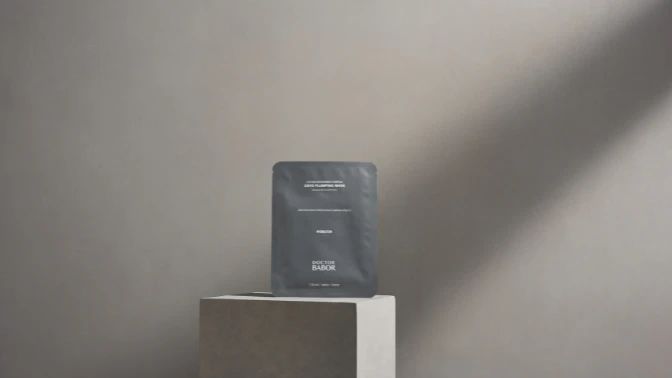
One of the biggest differences between at-home and professional peels lies in the strength and quality of the ingredients. The peels used by licensed professionals contain higher concentrations of active acids, allowing them to penetrate deeper into the skin for more significant renewal. These are sophisticated, powerful treatments from reputable brands that are only available to trained experts. For instance, our DOCTOR BABOR line is rooted in this principle of precision skincare, delivering potent ingredients for visible results. An expert knows exactly which formula will work best for you and has access to a range of options that you won’t find on a store shelf.
Personalized Treatment from a Pro
Your skin is unique, and your peel should be, too. A skincare professional doesn’t just apply a one-size-fits-all product. They start with a thorough analysis of your skin type, concerns, and history. Are you dealing with stubborn hyperpigmentation, fine lines, or persistent breakouts? Based on their assessment, they will select the right type of acid, concentration, and application method to create a completely customized treatment. This personalized approach ensures the peel is effective and targets your specific goals without causing unnecessary irritation, giving you a truly bespoke experience.
Guided by a Professional for Safety
Let’s be honest—applying strong acids to your face can be intimidating, and for good reason. When you get a professional peel, you have a trained expert guiding the entire process. They know how to prep your skin correctly, how long to leave the peel on, and how to neutralize it at the perfect moment. More importantly, they are trained to recognize and respond to your skin’s reaction in real-time, ensuring the treatment is both safe and effective. For peace of mind, you can find a qualified provider through trusted resources that vet professionals for their credentials and experience.
Achieve More Significant, Lasting Results
Ultimately, the goal of any peel is to see a real change in your skin. Because professional peels are more potent and highly customized, they deliver more dramatic and lasting results. A series of professional treatments can significantly reduce the appearance of sun damage, soften fine lines, clear up acne, and create a smoother, more even-toned complexion. An experienced provider has honed their skills over time, developing a deep understanding of how to achieve the best outcomes. This expertise is what turns a good treatment into a great one, leaving you with a healthy, radiant glow that lasts.
Your Professional Peel Appointment: What to Expect
Walking into your first professional peel appointment can feel like a mix of excitement and nerves, and that’s completely normal. Knowing what’s coming can make the entire experience more relaxing and rewarding. A great skincare professional will guide you through every stage, from the initial chat about your skin goals to the final aftercare instructions. The process is designed to be a partnership between you and your specialist, ensuring you feel comfortable and informed from start to finish.
Think of it as a well-orchestrated treatment where every step is carefully planned to reveal your best skin. The goal isn't just to apply a product; it's to provide a customized experience that addresses your specific concerns safely and effectively. Your provider’s expertise is what makes the difference, as they will select the right peel for you, monitor your skin’s response in real-time, and equip you with the knowledge you need for a smooth recovery. This personalized attention is what sets a professional treatment apart and ensures you get the results you’re looking for.
The Consultation: Analyzing Your Skin
Your appointment will always begin with a one-on-one consultation. This is where your skincare specialist gets to know you and your skin on a deeper level. They’ll assess your skin type, discuss your primary concerns—whether it’s texture, tone, or fine lines—and review your current skincare routine and lifestyle. It’s also your opportunity to ask important questions. Don’t hesitate to inquire about their experience with the specific peel they recommend, what to expect during recovery, and any potential side effects. A trustworthy provider will have the credentials and training to answer your questions confidently and help you feel at ease before moving forward with the treatment.
How to Prepare Your Skin
Once you and your specialist have decided on the right peel, they’ll give you a set of pre-treatment instructions. Following this guidance is key to getting the best results and ensuring your skin is ready for the procedure. This prep phase might involve pausing the use of certain active ingredients, like retinoids or other exfoliants, for a week or two beforehand to prevent over-sensitizing your skin. Your provider will give you a clear timeline and a list of what to do. Reputable professionals use high-quality peel products and will guide you on how to prepare your skin effectively, setting the stage for a successful and comfortable experience.
During the Peel: Step-by-Step
When it’s time for the peel, your specialist will make sure you’re comfortable. First, they’ll thoroughly cleanse your skin to remove any makeup, oil, or impurities. Next, they will apply the peel solution, usually with a soft brush or cotton pad, often working in sections. You might feel a warm, tingling, or slightly stinging sensation as the peel gets to work—this is completely normal. A great professional will talk you through the entire process, explaining what they’re doing and checking in on what you’re feeling. They will monitor your skin’s reaction the entire time to ensure the treatment is progressing as it should. This step-by-step communication is a hallmark of a provider you can trust.
Post-Peel: The Recovery Process
After the peel is neutralized and removed, your specialist will apply calming serums and a protective moisturizer to soothe your skin. They will also apply a broad-spectrum sunscreen, as your skin will be extra sensitive to UV rays. Before you leave, you’ll receive detailed aftercare instructions. Following this advice is crucial for a smooth recovery and beautiful results. An experienced provider will give you a clear post-peel care plan to help your skin heal optimally. For advanced, post-procedure support at home, the products in our DOCTOR BABOR line are specifically designed to aid skin recovery and enhance treatment outcomes.
How to Find the Right Skincare Professional
Choosing to get a professional peel is a big step, and the person performing it is just as important as the treatment itself. You’re placing your skin in someone else’s hands, so it’s essential to find a qualified, experienced, and trustworthy professional. A great specialist will not only administer the peel safely but will also guide you through the entire process, from the initial consultation to your post-peel care routine. Taking the time to research and vet your options ensures you’ll feel confident and secure, leading to the best possible results for your skin. Think of this as building a partnership with an expert who is dedicated to helping you achieve your skincare goals. The right professional makes all the difference between a good experience and a great one, ensuring your treatment is both effective and safe. This means looking beyond a flashy social media page and digging into their qualifications, asking the right questions, and knowing what warning signs to look out for. Your skin deserves an expert who is as invested in its health as you are.
Look for These Credentials
When you start your search, focus on credentials first. Look for a licensed esthetician, dermatologist, or cosmetic surgeon with specific certifications in advanced skin treatments. Don’t hesitate to ask about their medical licenses and training—a true professional will be happy to share their qualifications. It’s also important to ensure they use high-quality, professional-grade products from reputable brands. The quality of the peel solution directly impacts the safety and outcome of your treatment. You can often find a board-certified dermatologist in your area through professional organizations, which is a great starting point for your search.
Key Questions to Ask Your Specialist
Your consultation is the perfect time to ask detailed questions and get a feel for the provider. Think of it as an interview where you’re deciding if they’re the right fit for you. Come prepared with a list of questions to help you make an informed decision.
Start by asking:
- How many years have you been performing chemical peels?
- Which type of peel do you recommend for my skin concerns, and why?
- What should I expect during the recovery period?
- Can you show me before-and-after photos of your clients with similar skin types?
- What are the potential side effects or risks I should be aware of?
Their answers should be clear, confident, and tailored to your specific needs.
Red Flags to Watch For
Just as important as knowing what to look for is knowing what to avoid. Trust your gut—if something feels off, it’s okay to walk away and find another provider. Be cautious if a specialist seems evasive when asked about their experience or educational background. A major red flag is a provider who pressures you into making a quick decision or tries to sell you a package before a thorough consultation. A lack of a professional portfolio or an unwillingness to discuss potential risks are also warning signs. A great skincare professional will prioritize your safety and comfort above all else.
Match the Right Peel to Your Skin Concern
The beauty of professional peels is their versatility. Whether you're dealing with stubborn breakouts or the first signs of aging, there's likely a peel that can help. The key is identifying your primary concern so your esthetician can select the right type and strength for your skin. Think of it as a targeted treatment designed to deliver specific results. This approach ensures you get the most out of your appointment and see real, visible improvement where you want it most. A thorough consultation with a skincare professional is the best first step to creating a treatment plan tailored just for you.
For Acne and Blemishes
If you’re struggling with persistent acne, a professional peel can be a powerful tool in your skincare arsenal. These treatments work by deeply exfoliating the skin to remove the dead cells and debris that clog pores and lead to breakouts. Certain peels, especially those containing beta hydroxy acids (BHAs) like salicylic acid, can also reduce inflammation and excess oil. According to the Mayo Clinic, a series of treatments, often every two to five weeks, can be highly effective for managing acne. To support your results between appointments, a consistent routine with precision products from a line like DOCTOR BABOR can help keep your skin clear and balanced.
For Fine Lines and Wrinkles
For those looking to soften the appearance of fine lines and wrinkles, a professional peel can be a fantastic option. These treatments go beyond surface-level exfoliation to encourage skin renewal, which helps restore a feeling of firmness and elasticity. Medium-depth peels are particularly effective, as they remove the outer layer and part of the middle layer of skin to smooth its surface. This process reveals the fresher, more youthful-looking skin underneath. To maintain that smooth, plump appearance, it's essential to follow up with hydrating and firming serums that support your skin's renewal process and protect your investment.
For Dark Spots and Sun Damage
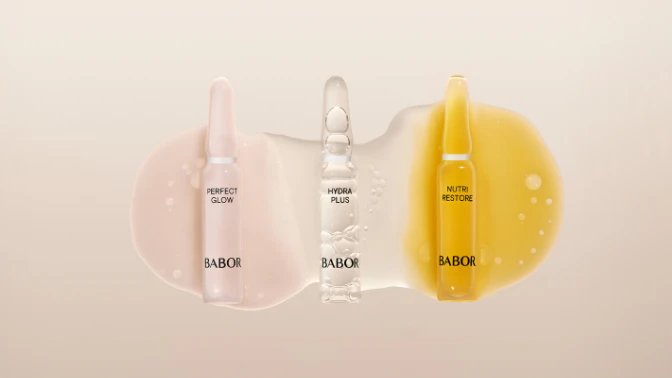
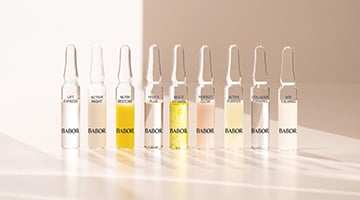
Years of sun exposure can leave behind unwanted reminders in the form of dark spots and uneven pigmentation. Professional peels are one of the most effective ways to address this concern. They work by accelerating cell turnover, lifting away the discolored surface cells to reveal a brighter, more even complexion. While lighter peels can help with minor discoloration, deeper peels can produce more dramatic results for significant sun damage, though they do require more downtime. To continue brightening your skin at home, incorporating targeted treatments like concentrated Ampoule Serum Concentrates can help fade lingering spots and prevent new ones from forming.
For Uneven Texture and Tone
Sometimes your main concern isn't one specific issue, but an overall lack of radiance or a rough, uneven texture. This is where professional peels truly shine. By removing the outermost layer of dull, dead skin, a peel instantly reveals a smoother and more luminous complexion. This process helps refine the look of pores, soften rough patches, and restore a healthy glow that makeup just can't replicate. Even a light, superficial peel can make a significant difference, making it a great starting point for many people. Maintaining that smooth canvas starts with daily care, beginning with a gentle yet effective cleanser that prepares your skin for the rest of your routine.
Understand the Risks and Side Effects
A professional peel is a powerful treatment, and with great power comes great responsibility—both for your skincare specialist and for you. Understanding what to expect during recovery and knowing the potential risks are key to a successful experience. Being informed helps you prepare properly and ensures you get the beautiful results you’re looking for, safely.
What to Expect After Different Peels
Your skin’s reaction will depend entirely on the depth of your peel. After any peel, you can expect some redness, tightness, and irritation, but the intensity and duration will vary.
A light peel typically involves minimal downtime. Your skin might be red and dry for a few days, but you can usually wear makeup the next day to cover any pinkness. For a medium peel, the recovery is more involved. Expect redness, swelling, and a stinging sensation. The initial healing takes about one to two weeks, though some redness can linger for a few months. With a deep peel, the recovery is significant. You’ll experience severe redness, swelling, and throbbing. New skin takes about two weeks to grow, but as with a medium peel, redness can last for several months. Your specialist will give you detailed instructions on how to care for your skin, including cleansing, moisturizing, and applying sunscreen.
Is a Professional Peel Right for You?
While peels can address many skin concerns, they aren’t suitable for everyone. The best way to determine if you’re a good candidate is to have an honest conversation with your skincare professional during your consultation.
Generally, you might not be able to get a chemical peel if you are pregnant, have a history of keloids (a type of raised scar), or get frequent and severe cold sore outbreaks. Certain medications and skin conditions can also affect your eligibility. A thorough consultation is the perfect time to discuss your full medical history and any concerns you have. This isn’t just a formality; it’s a critical step to ensure your safety and the effectiveness of the treatment.
How to Minimize Potential Risks
The single most important step you can take to ensure a safe procedure is to choose the right professional. It’s essential to have your peel performed by a board-certified dermatologist or a highly trained and licensed esthetician. These experts have a deep understanding of the skin, which is crucial for achieving good results and preventing complications.
To further lower your risk, your specialist may recommend a specific skincare routine for two to four weeks before your appointment. Following a pre-treatment plan can help your skin prepare, which allows the peel to work more effectively and reduces the chance of side effects. According to the American Academy of Dermatology Association, this preparation is a key part of a successful treatment. Always follow your provider’s pre- and post-peel instructions to the letter—they are designed to give you the best and safest outcome.
Your Guide to Post-Peel Aftercare
Getting a professional peel is an exciting step toward your skin goals, but the treatment itself is only half the story. Your post-peel care routine is just as critical for achieving that smooth, radiant complexion you’re after. Think of it as protecting your investment. Proper aftercare helps your skin heal correctly, minimizes potential side effects like prolonged redness or irritation, and ensures your final results are everything you hoped for.
Your skin is in a delicate, vulnerable state after a peel, so it needs special attention. This means simplifying your routine and focusing on three key pillars: gentle cleansing, deep hydration, and serious sun protection. Neglecting this phase can compromise your results and even lead to complications like infection or hyperpigmentation. By following a few straightforward steps, you can support your skin’s recovery process and reveal a healthier, more luminous look.
What to Do Immediately After Your Peel
Right after your treatment, expect your skin to feel tight, look red, and be a bit swollen—this is a normal part of the process. Your skincare professional will give you specific instructions for your peel depth, and it’s essential to follow them precisely. This might include applying a special ointment or using cool compresses to soothe the area. The most important rule? Keep your hands off. As tempting as it may be, you must not pick, peel, or scratch at your skin. Doing so can introduce bacteria, lead to infection, and potentially cause scarring, which is the last thing you want.
Build Your Long-Term Skincare Routine
As your skin begins its healing journey over the next several days and weeks, your focus should be on hydration and gentle care. Keeping your skin consistently moist is key to a smooth recovery and helps prevent scarring. This is the time to use a rich, restorative moisturizer that supports the skin barrier without causing irritation. Look for products with calming ingredients. You’ll also want to pause your use of active ingredients like retinoids, vitamin C, and other exfoliants until your specialist gives you the green light. Stick to a simple routine of a gentle cleanser, your recovery moisturizer, and sunscreen.
The Importance of Sun Protection
Sun protection is non-negotiable after a chemical peel. The fresh, new skin revealed by the treatment is extremely sensitive and susceptible to sun damage. According to the American Academy of Dermatology, failing to protect your skin from the sun can quickly reverse the benefits of your peel and may even lead to new dark spots. Apply a broad-spectrum sunscreen with an SPF of 30 or higher every single morning, without exception—even on cloudy days or if you’re staying indoors. Reapply throughout the day as needed and consider wearing a wide-brimmed hat for extra protection when you’re outside. This daily habit will safeguard your results for the long term.
The Investment: What Do Professional Peels Cost?
Thinking about a professional peel is an exciting step toward your skin goals. Naturally, one of the first questions that comes to mind is about the cost. It’s helpful to think of it not as a simple expense, but as an investment in your skin’s long-term health and radiance. The price of a professional peel can vary quite a bit, because the treatment you receive is tailored specifically to you.
Several key elements come together to determine the final cost, from the type of peel you get to the professional who performs it. Understanding these factors will help you know what to expect and feel confident in your decision. Let’s break down what goes into the pricing of these transformative treatments.
Factors That Influence the Price
The cost of a professional peel isn’t a one-size-fits-all number. The price reflects the level of expertise, customization, and intensity involved in the treatment. According to the American Society of Plastic Surgeons, the average cost of skin resurfacing procedures like chemical peels can be around $1,829, but your individual cost will depend on a few things.
First is the expertise of your provider. A board-certified dermatologist or a highly experienced esthetician in a top-tier clinic will have a different price point than a less experienced practitioner. You’re paying for their skill, knowledge, and ability to perform the treatment safely and effectively. The type and depth of the peel also play a major role. A light, superficial peel is very different from a deep peel, which requires significant expertise and involves more downtime. Finally, where the clinic is located can also affect the price.
Understanding Treatment Plans and Packages
While you can get a single peel, many skin concerns—like persistent acne, sun damage, or fine lines—respond best to a series of treatments. Your skincare professional will likely recommend a treatment plan to help you achieve the most significant and lasting results. The price for a single session can range from around $100 for a very light peel to over $3,000 for a deep, intensive treatment.
To support your skincare journey, many clinics offer treatment plans or packages. Purchasing a series of three or six peels upfront can often provide better value than paying for each one individually. This approach not only makes financial sense but also encourages you to commit to the full treatment course, which is essential for seeing real change in your skin. Think of it as creating a structured, professional-led regimen designed to deliver the best outcome possible.
Professional vs. At-Home: Which Is Right for You?
Deciding between a professional peel and an at-home treatment isn’t about choosing one over the other. Think of it as a partnership. Professional peels deliver powerful, targeted results that you simply can’t get at home, while a consistent at-home routine is what maintains and extends those beautiful results. When you combine the expertise of a skincare professional with high-performance daily care, you create the ideal environment for your skin to thrive. The key is knowing when to call in an expert and how to support their work from your own bathroom counter.
When to Invest in a Professional Peel
It’s time to see a professional when you have specific skin concerns that at-home products aren’t resolving. Think stubborn hyperpigmentation, noticeable fine lines, acne scarring, or significant textural issues. A licensed esthetician or dermatologist can safely use more potent, professional-grade formulas to achieve dramatic improvements. When you’re ready to invest, do your research. Look for a provider with extensive experience performing peels and a history of successful outcomes. Don’t hesitate to ask about their credentials, their experience with your specific skin type, and the products they use. A true professional will welcome your questions and prioritize your safety and results.
How At-Home Care Supports Professional Results
Your at-home routine is the foundation that makes professional treatments so effective. After a peel, your skin is in a delicate, regenerative state, and following your specialist’s aftercare plan is crucial. This usually involves using gentle, hydrating, and restorative products to soothe the skin and protect your results. Our DOCTOR BABOR collection is specifically designed to support skin pre- and post-procedure. While at-home exfoliants are great for maintenance between appointments, they don’t replace the strength of a professional treatment. Always get clearance from your skincare professional on when it’s safe to reintroduce active ingredients into your routine to ensure you’re helping, not harming, the healing process.
Related Articles
Frequently Asked Questions
How often should I get a professional peel? The ideal frequency really depends on the strength of the peel and your specific skin goals. For lighter, superficial peels aimed at maintaining a healthy glow, your specialist might suggest a treatment every four to six weeks. For medium or deep peels that address more significant concerns, the treatments are spaced much further apart, sometimes only once or twice a year. Your skincare professional will create a personalized treatment plan that’s right for you.
Will the peel hurt? Most people don't describe the sensation as painful, but you will definitely feel it working. It’s common to experience a warm, tingling, or slightly stinging feeling while the peel solution is on your skin. A great professional will communicate with you throughout the entire process to ensure you’re comfortable. The sensation is temporary and subsides once the peel is neutralized.
Can I get a professional peel if I have sensitive skin? Yes, you often can, but this is where choosing an experienced professional is absolutely essential. An expert will be able to assess your skin and select a gentler peel, such as one with lactic acid, that is more suitable for sensitive types. They can also adjust the treatment time to ensure your skin isn't overwhelmed. A thorough consultation is the first step to determine if a peel is a safe and effective option for you.
How long will it take to see the final results? You’ll likely notice an immediate brightness as soon as the initial redness and peeling have subsided, which can take a few days to a week for light peels. However, the most significant and lasting results, like improved texture and a reduction in fine lines, develop over the following weeks and months as your skin produces new collagen. The deeper the peel, the more dramatic the results, but the longer you’ll need to wait to see the final outcome.
What’s the difference between a professional peel and a regular facial? Think of a facial as a form of skin maintenance—it’s great for cleansing, gentle exfoliation, and hydration, leaving you feeling refreshed. A professional peel, on the other hand, is a corrective treatment. It uses potent chemical exfoliants to remove layers of skin, actively targeting concerns like sun damage, acne scarring, and wrinkles to create more significant and lasting change.