We all have days where our skin just looks dull. No matter how much moisturizer we apply, it lacks that vibrant, healthy radiance. This is often caused by a buildup of dead skin cells that scatter light instead of reflecting it. While physical scrubs can offer a temporary fix, a high-performance AHA peeling serum provides a more sophisticated solution. It uses alpha hydroxy acids to gently dissolve the "glue" holding those dull cells together, revealing the fresh, smooth skin underneath. It’s a targeted treatment for refining texture, fading the appearance of dark spots, and restoring your skin’s natural vitality without harsh scrubbing.
Key Takeaways
- Use AHAs as a Strategic Treatment: Apply your AHA serum in the evening, starting with just once a week, to allow your skin to adapt. Because these acids reveal fresh skin, daily broad-spectrum sunscreen is essential to protect your results.
- Select the Right Acid for Your Skin's Needs: Your skin type dictates the best AHA for you. Glycolic acid is effective for oily skin, lactic acid offers exfoliation with hydration for dry skin, and mandelic acid provides a gentler option for sensitive complexions.
- Focus on Hydration and Avoid Ingredient Conflicts: After exfoliating, support your skin with calming, hydrating ingredients like hyaluronic acid. Avoid using your AHA serum in the same routine as other potent actives like retinoids to prevent irritation.
What Is an AHA Peeling Serum?
If you’re searching for that fresh-from-the-spa glow, an AHA peeling serum might be the perfect addition to your skincare routine. Think of it as a professional-level exfoliation treatment you can do right at home. These powerful serums use alpha hydroxy acids (AHAs) to sweep away dull, dead skin cells from the surface, revealing the brighter, smoother, and more radiant skin hiding underneath.
Unlike physical scrubs that use grains or beads to manually buff the skin, AHA peels work on a chemical level to dissolve the bonds holding old cells together. This gentle but effective process helps address a range of skin concerns, from uneven texture and tone to fine lines and dark spots. It’s a sophisticated way to press the reset button on your complexion, encouraging skin renewal for a visibly refreshed look. By incorporating an AHA peel into your regimen, you’re not just cleansing your skin—you’re actively refining and renewing it.
What Are Alpha Hydroxy Acids (AHAs)?
Alpha Hydroxy Acids, or AHAs, are a group of water-soluble acids derived from natural sources like fruits and milk. You’ve probably heard of the most common types: glycolic acid (from sugar cane), lactic acid (from milk), and citric acid (from citrus fruits). These ingredients are celebrated in the skincare world for their remarkable ability to rejuvenate the skin.
AHAs work on the surface to improve skin texture, minimize the appearance of fine lines, and give your skin an overall boost in radiance. They help your skin accelerate its natural cell turnover process and support collagen production, which contributes to firmer, smoother, and brighter-looking skin. They are especially effective for addressing concerns like sun damage, dark spots, and an uneven complexion.
How AHAs Exfoliate Your Skin
So, how exactly do AHAs work their magic? Imagine the dead cells on the surface of your skin are held together by a sort of "glue." AHAs work by gently dissolving this glue, allowing those dull, old cells to shed easily and evenly. This process unveils the newer, healthier skin cells beneath, leading to a smoother texture, more refined-looking pores, and a reduction in visible pigmentation.
Because you’re revealing a fresh layer of skin, it’s important to remember that it will be more sensitive to UV rays. This increased sensitivity can last for up to a week after use. To protect your skin and your results, applying a broad-spectrum moisturizer with SPF every single morning is an essential, non-negotiable step in your routine.
What Are the Benefits of an AHA Peeling Serum?
When you think of exfoliation, you might just picture scrubbing away dead skin. But an AHA peeling serum does so much more than that. Think of it as a master multitasker for your complexion. By gently dissolving the bonds that hold dull, dead cells to the skin's surface, AHAs kickstart a chain reaction of positive changes. This single step can address a whole host of common skin concerns, from uneven texture and tone to the first signs of aging, making it a cornerstone of an effective skincare routine.
The magic lies in how AHAs encourage your skin to act younger. They speed up cell turnover, helping fresh, healthy cells make their way to the surface more quickly. This renewal process is key to revealing the brighter, smoother skin that’s hiding underneath. Whether you’re dealing with lingering dark spots, frustrating fine lines, or a general lack of radiance, a well-formulated AHA serum can be a game-changer. It’s one of the most effective ways to refine your skin’s appearance and restore its natural vitality, all without harsh scrubbing. It works on a chemical level to deliver results that physical exfoliants simply can't match, giving you a professional-level treatment at home.
Smooth and Refine Skin Texture
One of the first things you’ll notice after using an AHA serum is how incredibly smooth your skin feels. By clearing away the buildup of dead cells, AHAs instantly improve surface texture, making it feel softer and look more polished. But the benefits go deeper than that. This exfoliating action signals your skin to ramp up its natural renewal cycle and supports collagen production, the protein responsible for keeping skin firm and plump. Over time, this leads to a visible reduction in roughness and a more refined, even canvas. Your other skincare products will absorb better, and makeup will apply more flawlessly.
Hydrate and Plump Your Skin
It might seem counterintuitive that an exfoliant can also be hydrating, but that’s one of the unique qualities of AHAs. Many alpha hydroxy acids, particularly lactic acid, act as humectants. This means they have the ability to attract water molecules from the air and bind them to your skin. This influx of moisture helps to hydrate and plump up your skin cells, giving your complexion a fuller, more supple appearance. This makes AHA serums an excellent choice for those with dry or dehydrated skin who still want effective exfoliation. Following up with your favorite moisturizers will lock in that newfound hydration for a dewy, healthy glow.
Fade Dark Spots and Hyperpigmentation
If you’re struggling with uneven skin tone, sun spots, or the lingering marks left behind by breakouts, an AHA serum can be your best ally. These forms of hyperpigmentation are caused by an overproduction of melanin in specific spots, which sit in the upper layers of your skin. The consistent, gentle exfoliation from an AHA serum helps to gradually lift and slough off these discolored surface cells. As the older, pigmented cells are shed, they are replaced by new, evenly-toned cells from below. This process helps to visibly fade dark spots and create a brighter, more uniform complexion.
Minimize Fine Lines and Wrinkles
AHAs are a powerhouse for addressing the visible signs of aging. A layer of dead skin cells can settle into fine lines, making them appear deeper and more pronounced. By breaking down and removing this accumulation, AHAs immediately soften the look of surface lines for a smoother appearance. More importantly, their ability to stimulate cell renewal and support collagen production helps to firm the skin from the inside out. This added firmness can reduce the depth of wrinkles over time, making AHAs a vital part of any results-driven, age-defying routine. The high-performance formulas in the DOCTOR BABOR collection are perfect for targeting these concerns.
What Are the Top AHA Peeling Serums?
When you're ready to add an AHA peeling serum to your routine, finding the right product is key. From professional-grade treatments developed with precision science to potent weekly peels, there's a serum for every need. To help you get started, here are a few well-regarded AHA serums that stand out in the skincare world.
BABOR AHA Peeling Serums
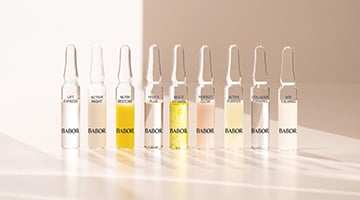
At BABOR, we approach exfoliation with precision and performance. Our AHA peeling serums are part of the DOCTOR BABOR line, grounded in advanced dermatological science to work in harmony with your skin. Our PRO AHA Peeling Overnight, for example, uses biomimetic peptide technology and an ideal pH of 4.0 to support skin renewal while you sleep. This provides effective exfoliation that smooths texture and refines pores while strengthening skin health. It’s a sophisticated approach to revealing a brighter, more youthful-looking complexion.
The Ordinary AHA 30% + BHA 2% Peeling Solution
A well-known high-strength treatment is The Ordinary’s AHA 30% + BHA 2% Peeling Solution, designed for experienced users. This weekly mask combines alpha and beta hydroxy acids to deeply exfoliate, clear pore congestion, and fight blemishes. With consistent use, it aims to improve skin texture and restore a radiant tone. Due to its intensity, it's a short-contact treatment, used for a maximum of 10 minutes no more than twice per week.
Paula's Choice Skin Perfecting 8% AHA Gel Exfoliant
For daily exfoliation, Paula's Choice offers the Skin Perfecting 8% AHA Gel Exfoliant. This formula centers on glycolic acid to shed dead skin cells and reveal healthier skin. The lightweight gel absorbs quickly, making it easy to layer with other products. It works to reduce the appearance of fine lines, improve skin texture, and create a more even, luminous complexion. It's a solid option for incorporating consistent, gentle exfoliation into your daily routine.
Mad Hippie AHA Exfoliating Peel
Mad Hippie’s AHA Exfoliating Peel takes a multi-ingredient approach to skin renewal. This serum features a blend of glycolic and lactic acids alongside 16 active ingredients, including apple stem cells. The formula addresses concerns like dullness, discoloration, and the appearance of wrinkles. It’s designed as a comprehensive treatment that exfoliates while providing antioxidant support, aiming to refine skin texture and achieve a more vibrant look.
How to Choose the Right AHA Serum for Your Skin
Finding the perfect AHA serum isn't about grabbing the one with the highest percentage you can find. It’s about matching the right acid, concentration, and formula to your unique skin type and goals. Whether you’re dealing with texture, dullness, or fine lines, there’s an AHA serum out there for you. Let’s walk through how to pick the one that will make your skin happy.
What Ingredients to Look For
When you scan an ingredient list, you’ll see a few common AHAs. Glycolic acid has the smallest molecular size, allowing it to penetrate deeply for more intensive exfoliation. Lactic acid is a bit gentler and has the added benefit of helping to hydrate the skin. Mandelic acid has a larger molecular structure, making it a great choice for a slower, more gentle exfoliation, especially for sensitive skin. Many modern serums combine different AHAs or pair them with soothing ingredients like hyaluronic acid or botanical extracts to balance the formula and minimize potential irritation.
For Oily and Acne-Prone Skin
If you have oily or acne-prone skin, you know the struggle with clogged pores and a buildup of dead skin cells. Glycolic acid is particularly effective here, as it can efficiently dissolve that top layer of cells, helping to prevent blockages. Using an AHA serum can also make your other skincare products work better. By clearing the way, it allows ingredients in your moisturizer or treatments to absorb more effectively. For a comprehensive approach, you might use a BHA product for daily maintenance and an AHA peel once a week for a deeper exfoliating treatment.
For Dry and Mature Skin
For those with dry or mature skin, the goal is often to smooth fine lines, fade sun damage, and restore a healthy glow. AHAs are fantastic for this because they encourage faster cell turnover and support collagen production, which helps make skin feel firmer and look smoother. Lactic acid is an excellent choice for this skin type because it exfoliates while also acting as a humectant, drawing moisture into the skin. Consistent use can lead to a brighter, more even-toned complexion and a visible reduction in the appearance of fine lines. Look for formulas that also include hydrating moisturizers to support your skin barrier.
For Sensitive Skin
Having sensitive skin doesn’t mean you have to miss out on the benefits of AHAs. The key is to choose the right type and start slowly. Mandelic and lactic acids are your best friends here, as they are gentler than glycolic acid. It’s also wise to look for serums with lower concentrations and soothing ingredients. One of the biggest mistakes is thinking more active ingredients will give you better results. For sensitive skin, a simple, focused routine is much more effective. Always patch-test a new product on a small area before applying it to your entire face.
Decoding Concentration and pH Levels
The percentage of AHA in a serum is important, but it’s not the only thing that determines its strength. The pH level of the product is just as crucial. For an AHA to work well, it needs to have a lower pH, typically around 3.5. A product with a higher pH will be gentler, but its exfoliating power is diminished. You don’t need to be a chemist to figure this out—most brands formulate their products within the effective range. If you’re new to AHAs, start with a lower concentration (around 5%) and see how your skin responds before considering something stronger.
How to Use an AHA Peeling Serum in Your Routine
Ready to add an AHA peeling serum to your skincare lineup? That’s great news for your glow. Using these powerful exfoliants correctly is key to getting those smooth, radiant results without causing irritation. Think of it less as a daily step and more as a dedicated weekly treatment. Following a few simple guidelines will help you get the most out of your
Your Step-by-Step Application Guide
Applying an AHA peeling serum is straightforward, but precision is important. Always start with a freshly cleansed and completely dry face; applying acids to damp skin can increase penetration and potential irritation. Dispense a few drops of the serum and apply a thin, even layer across your face and neck, making sure to avoid the delicate skin around your eyes and lips. The most crucial step is timing. Leave the peel on for no more than 10 minutes. Once the time is up, rinse it off thoroughly with lukewarm water and gently pat your skin dry before moving on to the next steps in your routine, like a hydrating serum or moisturizer.
Start Low and Go Slow: Building Tolerance
When you first introduce a potent product like an AHA peel, the golden rule is to start low and go slow. Begin by using the serum just once a week. This gives your skin time to adjust and allows you to see how it responds. If your skin feels great after the first couple of uses—no prolonged redness or sensitivity—you can consider increasing the frequency to twice a week. This gradual approach is the best way to build your skin's tolerance and sidestep potential irritation. Remember, consistency over intensity is what delivers lasting results. Listening to your skin is the most important part of the process.
How Often Should You Use It?
For the best results, an AHA peeling serum should be used as a treatment, not a daily staple. Limiting your use to once or twice a week is the sweet spot for most skin types. This frequency is enough to effectively exfoliate dead skin cells, refine texture, and brighten your complexion without compromising your skin barrier. Over-exfoliation is a real concern and can lead to redness, sensitivity, and dryness. On the days you aren't using your peel, focus on nourishing your skin with hydrating and restorative products, like a quality moisturizer, to keep it balanced and resilient.
When to Apply: AM or PM?
The best time to use your AHA peeling serum is always in the evening. There are two main reasons for this. First, applying it at night gives your skin an uninterrupted period to repair and regenerate while you sleep. Second, and more importantly, alpha hydroxy acids can increase your skin's sensitivity to the sun. Using the peel in your PM routine significantly reduces the risk of sun damage. Of course, this doesn't mean you can skip sunscreen the next day. Applying a broad-spectrum SPF every morning is non-negotiable, especially when using powerful exfoliants in your skincare routine.
What to Pair with Your AHA Serum
Using an AHA serum is a fantastic step toward smoother, more radiant skin, but what you layer it with is just as important. Think of your skincare routine as a team of players—they all need to work together to score the best results. Pairing your AHA with the right ingredients can amplify its benefits, while the wrong combinations can lead to irritation. Let’s walk through how to build a supportive routine around your new favorite exfoliant.
Ingredients That Work Well with AHAs
After exfoliating with an AHA, your skin is primed to absorb hydrating and restorative ingredients. This is the perfect time to replenish moisture and support your skin barrier. Look for products containing hyaluronic acid, a superstar hydrator that draws moisture into the skin, leaving it plump and dewy. Peptides are another great companion, as they help improve skin texture and firmness. You can find these powerhouse ingredients in nourishing serums and moisturizers that calm and comfort the skin after exfoliation, creating a balanced and effective routine.
Ingredients to Avoid When Using AHAs
When it comes to active ingredients, more is not always better. Combining too many potent products at once can overwhelm your skin, leading to redness and sensitivity. As a rule, avoid using your AHA serum in the same routine as other strong ingredients. This includes retinoids, other direct acids (like BHA or PHA), high-concentration Vitamin C, and copper peptides. It’s best to alternate these ingredients on different nights to give your skin the benefits of each without causing unnecessary stress. Listen to your skin and give it time to adjust.
Essential Post-Peel Skincare
What you do after applying an AHA serum is crucial. Your skin has just been freshly exfoliated, so it’s more receptive and also more delicate. Follow up with a simple, gentle moisturizer to soothe, hydrate, and protect your skin barrier. Look for calming ingredients that will support skin recovery. Most importantly, you must be diligent with sun protection. AHAs can make your skin more sensitive to the sun, so applying a broad-spectrum sunscreen with SPF 30 or higher every single morning is non-negotiable. This will protect your fresh, glowing skin from UV damage.
What to Expect When Using an AHA Serum
Starting a new, powerful skincare product like an AHA serum is exciting, but it's natural to wonder what comes next. Knowing what to expect—from the timeline for results to normal skin reactions—helps you use your serum confidently and effectively.
When Will You See Results?
Patience is a virtue in skincare. While you might notice a brighter, smoother complexion after just one use, the most significant benefits of an AHA serum appear over time. Consistent use is key to seeing real change. Within a few weeks, you may see improvements in skin texture and a more even tone. For concerns like fine lines and stubborn hyperpigmentation, give it at least one to two months. AHAs work by accelerating cell turnover, a process that takes time to reveal fresh, new skin. Find a high-performance serum and stick with it for lasting radiance.
Normal Reactions vs. Red Flags
It's common to feel a slight tingling or see a bit of pinkness for a few minutes after applying an AHA serum—this just means the active ingredients are getting to work. However, it's important to know the difference between a normal reaction and a red flag. Your skin should never feel like it's burning, and any redness should fade quickly. Pay attention to signs of irritation like persistent stinging or significant peeling. Also, be aware that AHAs can make your skin more sensitive to the sun. If your skin feels uncomfortable, take a break and let it recover before trying again with less frequency.
Common AHA Myths, Busted
The word "acid" can sound intimidating, leading to a few common myths. Let's clear them up. One major misconception is that AHAs "burn" the skin. In reality, professional-grade AHAs are formulated to be gentle exfoliants that dissolve the bonds holding dead cells to the surface, working without the harsh action of a physical scrub. Another myth is that you should expect dramatic redness and peeling. While mild flaking can occur as your skin adjusts, at-home AHA serums are designed for renewal without significant downtime. Trust the science behind sophisticated DOCTOR BABOR formulas to deliver results gracefully.
Are AHA Serums Safe for Everyone?
Alpha hydroxy acids are powerful ingredients, so it’s smart to ask if they’re right for you. While many skin types can use them successfully, safety comes down to choosing the right product and using it correctly. The goal is to get that radiant glow without causing irritation. Let’s walk through what you can realistically expect and who should proceed with caution.
Setting Realistic Expectations
First, let's clear up the word "peel." When you hear it, you might picture red, flaking skin, but that’s rarely the case with at-home AHA serums. The "peeling" happens on a microscopic level. Alpha hydroxy acids work by dissolving the bonds holding dead cells to your skin's surface, encouraging them to shed naturally. This reveals the fresher, smoother skin underneath. You shouldn't expect visible peeling. Instead, look for a gradual improvement in texture, brightness, and clarity over time. A slight tingle upon application can be normal, but discomfort is a sign to pull back.
Who Should Avoid AHA Serums?
If you have very sensitive skin, rosacea, or a compromised skin barrier (think sunburn or post-procedure skin), it’s best to pause on AHAs. Introducing a potent acid to already irritated skin can make matters worse, leading to redness and discomfort. You should also be careful if you’re using prescription-strength retinoids or other strong actives. If you have a skin condition or are unsure, the best first step is always to check with your dermatologist. They can help you figure out if an AHA serum fits into your routine and recommend a strength that works for your specific needs.
Answering Your Safety Questions
One of the biggest myths is that a stronger acid always delivers better results. In reality, a well-formulated serum is about balance, not just brute force. Many people find that AHAs, when used correctly, are surprisingly gentle. The key is to avoid layering them with too many other active ingredients in the same routine, which can lead to irritation. Instead of cocktailing multiple products, trust a single, expertly crafted serum like our DOCTOR BABOR Pro AHA Peeling Overnight to deliver results without overwhelming your skin. It’s designed to be effective on its own, giving your skin the precise treatment it needs.
AHA Serum Safety Tips and Best Practices
Using an AHA serum can be a game-changer for your skin, but with great power comes great responsibility. To get that glow without the irritation, it’s essential to use these potent exfoliants correctly. Think of these tips as your safety checklist for getting the most out of your AHA treatment while keeping your skin happy and healthy. Following these best practices will help you achieve smooth, radiant results safely.
Always Patch Test First
Before you introduce any new active product to your face, especially a powerful one like an AHA serum, performing a patch test is a must. It’s a simple step that can save you from widespread irritation. Apply a small amount of the serum to a discreet area, like your inner wrist or behind your ear. Wait at least 24 to 48 hours to see if any redness, itching, or irritation develops. If your skin looks and feels fine, you’re likely good to go. This precaution helps ensure the product is a good match for your skin before you commit to a full-face application, giving you peace of mind as you start your new skincare routine.
Don't Skip Sunscreen
This is the golden rule of using AHAs: you must wear sunscreen every single day. Alpha hydroxy acids work by revealing fresh, new skin cells, which are more vulnerable to sun damage. Using an AHA can make your skin more sensitive to the sun, so skipping SPF can lead to sunburn and hyperpigmentation—the very things you’re trying to correct. Make a broad-spectrum sunscreen with at least SPF 30 a non-negotiable part of your morning routine, even on cloudy days. Think of it as protecting the beautiful results you’re working so hard to achieve with your AHA serum.
Know the Signs of Over-Exfoliation
It’s important to listen to your skin. While a slight tingling sensation can be normal when you first apply an AHA, persistent stinging, burning, or redness are red flags. Signs of over-exfoliation include skin that feels tight, raw, or overly sensitive, as well as unexpected peeling or breakouts. If you notice any of these symptoms, it’s your skin’s way of telling you to take a break. Stop using all exfoliants and focus on gentle, hydrating products to help your skin barrier recover. Once your skin feels back to normal, you can slowly reintroduce the AHA serum, perhaps using it less frequently than before. A good hydrating moisturizer can be a great help during this recovery period.
Related Articles
Frequently Asked Questions
Will an AHA serum make my skin visibly peel? The word "peel" can sound a bit intense, but you shouldn't expect your skin to flake off in sheets. The peeling action of an at-home AHA serum happens on a microscopic level. The acids gently dissolve the bonds holding dull, dead cells to the surface, allowing them to shed naturally. You might see some light flaking when you first start, but the goal is a smooth, gradual renewal process that reveals brighter skin underneath.
How often should I really be using an AHA peel? Think of your AHA serum as a dedicated treatment rather than a daily staple. Starting with once a week is the perfect way to introduce it to your routine and see how your skin responds. If your skin feels happy and you're not seeing any irritation after a few weeks, you can consider increasing the frequency to twice a week. For most people, this is the sweet spot for maintaining results without overdoing it.
Can I use an AHA serum if I have sensitive skin? Yes, you can, but the key is to be strategic. Look for formulas that use gentler acids, like lactic or mandelic acid, which are better suited for sensitive complexions. It’s also wise to start with a lower concentration and stick to a once-a-week schedule. Always perform a patch test first and follow up with a simple, soothing moisturizer to keep your skin barrier supported and calm.
I feel a tingle when I apply it. Is that normal? A slight, temporary tingling feeling for a minute or so after you apply the serum is very common. It’s usually just a sign that the active ingredients are getting to work on your skin. However, that sensation should never feel like burning or intense stinging. If you experience any real discomfort or lasting redness, that's your skin's way of telling you to rinse the product off and take a break.
What's the most important thing to remember after using an AHA peel? Sunscreen is the absolute number one rule. Using an AHA serum reveals fresh, new skin cells that are more vulnerable to the sun's rays. To protect your hard-earned glow and prevent sun damage, you must apply a broad-spectrum sunscreen with at least SPF 30 every single morning. It’s the most critical step in ensuring your skin stays healthy and radiant.


