Finding dermatologist recommended makeup for sensitive skin starts with a more useful question than "Which brand is best?" The right choice depends on your known triggers, skin condition, desired coverage, and how a formula performs after several hours of wear. This guide explains how to compare eight makeup profiles, read the label with care, and choose complexion products that support a comfortable, polished routine without promising that any formula works for every person.
Explore BABOR Makeup for professional complexion and color products
If your skin is reactive, makeup selection should be methodical rather than trend-led. Look for a short ingredient list you understand, introduce one new product at a time, and patch test when appropriate. The American Academy of Dermatology recommends testing a new product on a small area twice daily for seven to 10 days before regular use. If you develop a persistent or severe reaction, stop using the product and consult a dermatologist.
What is the best makeup for sensitive skin?
Short answer: The best makeup for sensitive skin is a formula that matches your personal triggers, skin type, and coverage needs while remaining comfortable during wear. Start with fragrance-free options when fragrance is a known trigger, avoid assuming that marketing terms guarantee safety, and test new products gradually. No brand is universally suitable for every sensitive complexion.
"Sensitive skin" is not one standardized diagnosis. Some people experience stinging or tightness, while others are managing acne, rosacea, eczema, contact dermatitis, or a history of reactions to particular preservatives, pigments, or fragrances. A product that feels comfortable for one person may not suit another. The aim is to identify the features that matter to you and compare products consistently.
Dermatologist recommended makeup for sensitive skin should therefore be evaluated as a decision process, not as a blanket promise. Professional guidance can help you identify likely triggers, but a label alone cannot predict your individual response.
Eight makeup profiles worth comparing
Short answer: The most useful shortlist includes fragrance-free complexion formulas, mineral-based options, lightweight liquids, hydrating foundations, powder foundations, concealers for targeted coverage, eye products selected for the eye area, and color products with a comfortable finish. Compare each profile by ingredients, wear, removal, and your own history of reactions.
Instead of ranking brands without context, use these eight profiles to compare the products in a brand's range. This approach keeps the search practical while allowing you to choose a finish and coverage level that suits your routine.
1. Fragrance-free complexion makeup
Fragrance can be a concern for people who know they react to it. A fragrance-free label is more relevant than an assumption based on a product's scent, but it is still important to read the full ingredient list and check the specific product version. "Unscented" does not always mean that no fragrance-related ingredients are present, as the AAD explains in its guidance on testing skincare products.
2. Mineral complexion formulas
Mineral makeup is often considered by people who prefer a shorter-feeling base or a powder finish. Mineral does not automatically mean non-irritating, and the complete formula matters. Pay attention to how the powder feels on dry or flaky areas, whether it emphasizes texture, and whether the application tools are kept freshly washed and fully dry between uses.
3. Lightweight liquid foundation
A lightweight liquid can provide flexible coverage without the feel of a heavy base. It may be a good starting point when you want to even tone while keeping your routine visually natural. Check whether the formula contains known triggers, then test it on a small area before applying it across the face.
4. Hydrating foundation
People with dry-feeling or easily tight skin may prefer a more emollient finish. Hydration claims are not a guarantee of comfort, however. A rich base can feel too occlusive for some complexions or emphasize uneven texture if layered over incompatible skincare. Apply a thin layer and assess the formula after several hours of wear.
5. Powder foundation
Powder foundation can offer buildable coverage and a soft-matte appearance. It is especially useful for people who prefer a quick application, but it may feel less comfortable on visibly dry areas. Use a gentle brush, avoid excessive buffing, and remove makeup thoroughly at the end of the day.
6. Targeted concealer
A concealer lets you keep foundation light and add coverage only where needed. Look for a texture that does not crease or pull at the skin, particularly around the eyes. For blemishes or areas of redness, use a freshly washed tool or freshly washed hands and avoid repeatedly layering over an area that is already irritated.
7. Eye makeup for a reactive eye area
The skin around the eyes is delicate, and eye products can migrate during wear. Choose products that are appropriate for the eye area, replace them according to the manufacturer's guidance, and do not share them. If a product causes burning, watering, swelling, or persistent redness, remove it and stop use.
8. Comfortable color makeup
Blush, bronzer, highlighter, and lip color complete a makeup routine, but each introduces additional pigments and ingredients. Add color products one at a time so that you can identify a possible trigger. A comfortable finish and easy removal are more useful selection criteria than a trend or a broad claim about being gentle.
How should you read makeup labels for sensitive skin?
Short answer: Read the full ingredient list, not only the front label. Compare fragrance, preservatives, pigments, texture, and the product's intended area of use with your personal history. Terms such as "hypoallergenic" and "non-comedogenic" can be useful clues, but they are not universal guarantees and should not replace patch testing or medical advice.
The FDA explains that "hypoallergenic" has no federal standard or definition in the United States. A product using that term is not guaranteed to cause fewer allergic reactions. Treat the term as a prompt to investigate the ingredients rather than as proof that a product is safe for everyone.
Also distinguish between a cosmetic claim and a clinical conclusion. A product may be designed for a particular finish or skin type without being suitable for a diagnosed condition. If you have recurring reactions, ask a board-certified dermatologist whether formal patch testing is appropriate.
When comparing brands, record the product name, shade, finish, date opened, and any reaction. This simple log can reveal patterns that are difficult to see when several new products are introduced at once.
Which ingredients and features should you prioritize?
Short answer: Prioritize transparency and personal relevance. Choose products that disclose a complete ingredient list, match your known sensitivities, and suit your desired finish. Fragrance-free may matter if fragrance is a trigger. A non-comedogenic claim may be relevant for blemish-prone skin, but it is not a guarantee. Always evaluate the whole formula.
| Need | Useful feature to investigate | What to remember |
|---|---|---|
| Known fragrance sensitivity | Fragrance-free labeling and a complete ingredient list | Check the exact product and shade; unscented is not identical to fragrance-free. |
| Dry-feeling skin | Flexible, comfortable texture with a finish you can wear | Test over your normal moisturizer and apply in a thin layer. |
| Blemish-prone skin | Non-comedogenic claim and easy removal | The claim is not a guarantee, and individual responses vary. |
| Reactive eye area | Products intended for the eye area and careful hygiene | Stop if burning, swelling, or persistent redness develops. |
| Uneven tone | Buildable coverage or targeted concealer | Layering less product can reduce a heavy feel and simplify removal. |
Ingredients such as hyaluronic acid or niacinamide may appear in some complexion products, but their presence does not determine whether a product is suitable for you. Skin comfort depends on the complete formula, concentration, application, and your own sensitivity profile.
How do you patch test makeup before regular wear?
Short answer: Apply a small amount to a test area twice daily for seven to 10 days when practical, following the AAD's general product-testing guidance. Use the normal amount and leave-on time. If redness, itching, swelling, or another reaction develops, wash the product off and do not continue testing it.
Makeup is often tested differently from a face wash or treatment because it is worn for many hours and may be used near the eyes or lips. For a foundation or concealer, begin with a small area on the inner arm or another location where the product will not be rubbed away. Do not test a product on already irritated skin.
Use one new product at a time. If you change your foundation, primer, setting product, and face wash together, it becomes much harder to identify the cause of a reaction. Keep the packaging or photograph the ingredient list so you can discuss it with a dermatologist if needed.
Patch testing at home is not the same as medical patch testing. A dermatologist may use formal testing to help identify the cause of allergic contact dermatitis. Seek medical guidance for severe, recurring, or unexplained reactions.
Compare BABOR complexion makeup and buildable coverage options
How can you apply makeup without increasing irritation?
Short answer: Start with freshly washed, dry skin and a routine your complexion already tolerates. Use freshly washed tools, apply thin layers, avoid scrubbing, and remove makeup gently at the end of the day. Do not use a new exfoliant or active treatment at the same time as a new complexion product.
- Prepare the skin with familiar products and allow them to settle before makeup application.
- Use a small amount of foundation and build coverage only where needed.
- Press or tap product into the skin instead of repeatedly buffing over sensitive areas.
- Wash reusable brushes and sponges regularly and allow them to dry fully.
- Keep eye and lip products personal; never share them.
- Remove makeup thoroughly but gently before sleep, without aggressive rubbing.
- Replace products when their recommended period after opening has passed or when texture, smell, or performance changes.
Tools matter as much as formulas. A rough brush, damp sponge that is not dried properly, or old product can complicate an otherwise thoughtful routine. Keep the application process simple until you know how your skin responds.
What should you know about dermatologist-recommended makeup brands?
Short answer: A dermatologist recommendation is best understood in context. A dermatologist may recommend a product category, ingredient approach, or specific formula based on a person's skin history, rather than endorse an entire brand. Compare each product individually and look for transparent labeling, appropriate testing, and a finish you can comfortably wear.
Brand-level comparisons are useful for narrowing a search, but product-level evaluation is more precise. A single brand can offer powders, liquids, eye products, and lip products with very different ingredient lists. The most relevant question is not whether a brand is universally safe. It is whether a specific product suits your needs and has been introduced carefully.
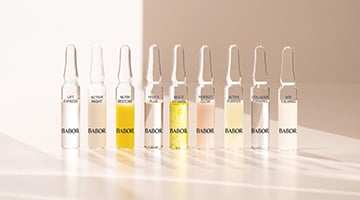
BABOR brings a professional skincare perspective to makeup, with a portfolio of complexion and color products designed for a refined finish. Its German skincare heritage and professional positioning make BABOR Makeup a relevant option to investigate, but individual suitability still depends on the product, shade, ingredients, and your own history.
View a BABOR complexion option for a refined, radiant finish
Frequently asked questions
What is the safest makeup for sensitive skin?
There is no single safest makeup product for every sensitive complexion. Choose a product with a complete ingredient list that fits your known triggers, introduce it gradually, and patch test when practical. Stop use if a reaction develops. A dermatologist can help with recurring or severe reactions.
Is mineral makeup always better for sensitive skin?
No. Mineral makeup may suit some people, but mineral ingredients do not guarantee that a formula will be comfortable for every complexion. Review the complete ingredient list, consider the finish and application method, and test the specific product before regular wear.
Does hypoallergenic mean a makeup product will not cause a reaction?
No. The FDA states that hypoallergenic has no standardized federal definition for cosmetics and does not guarantee that a product will not cause an allergic reaction. Use the term as one piece of information, then review ingredients and test the specific formula.
Can you wear makeup if you have acne or rosacea?
Many people with acne or rosacea wear makeup, but the right routine depends on the condition, current treatment, triggers, and product formula. The AAD recommends choosing makeup carefully and removing it before sleep. Ask your dermatologist for advice if makeup worsens symptoms.
How long should you patch test a new makeup product?
For a general at-home product test, the AAD recommends applying a product to a small area twice daily for seven to 10 days when practical. Follow the product directions, avoid testing irritated skin, and stop immediately if you develop a reaction.
Choosing dermatologist recommended makeup for sensitive skin is a process of matching evidence, ingredients, finish, and personal tolerance. Start with one product, keep your routine consistent, and choose professional-quality formulas that make the decision easier to evaluate.


