You may already have a consistent skincare routine, but perhaps you feel like you’ve hit a plateau with your results. If you’re looking for a way to get more from your daily regimen, the answer might lie in upgrading a single product. Adding a face moisturizer with alpha hydroxy acid is one of the most effective ways to see a real difference in your skin’s texture and radiance. This one product does double duty, providing deep hydration while performing a gentle, continuous exfoliation. This process helps to smooth fine lines, even out skin tone, and restore a natural glow over time.
Key Takeaways
- Combine exfoliation and hydration in one step: An AHA moisturizer works to gently resurface dull skin, improving texture and radiance, while also providing the moisture your skin needs to stay balanced and comfortable.
- Prioritize safe and effective use: To get the best results without irritation, start by applying your AHA moisturizer just a few nights a week. Always pair it with a daily broad-spectrum sunscreen, and avoid using other strong actives like retinoids in the same routine.
- Choose a formula that matches your skin's needs: Look for moisturizers with specific AHAs, such as glycolic acid for aging concerns or lactic acid for dry skin, combined with hydrating ingredients. For more targeted results, consider professional-grade formulas that offer higher concentrations and advanced, balanced designs.
What Are AHAs and Why Add Them to Your Moisturizer?
If you’ve ever seen "AHA" on a skincare label and wondered what it meant, you’re not alone. AHAs, or alpha-hydroxy acids, are a group of water-soluble acids that come from natural sources like fruits and milk. Their main job in skincare is to exfoliate, which means they help slough away the dead skin cells that can leave your complexion looking dull.
So, why would you want them in your moisturizer? Think of it as a smart, two-in-one step. While your moisturizer is busy hydrating and nourishing your skin, the AHAs are working in the background to refine your skin’s surface. This combination helps your skin feel smoother and look more radiant. Adding an AHA to a hydrating formula also means you get the exfoliating benefits without stripping your skin, making it a gentle yet effective way to get a healthy-looking glow. It’s an efficient approach to supporting your skin’s natural renewal process while keeping it perfectly moisturized.
The Different Types of AHAs in Skincare
AHAs are a family of chemical exfoliants, and each member has its own unique touch. Because they are water-soluble, they can't get through your skin's natural oils, so they work their magic on the surface. Some of the most common types you’ll find in moisturizers and other products include glycolic acid, which is derived from sugarcane and has a small molecule size that allows it to work effectively. Lactic acid, found in sour milk, is another popular choice known for being a bit gentler. You’ll also see citric acid, which comes from citrus fruits and offers antioxidant properties in addition to its exfoliating function.
How AHAs Work in a Moisturizer
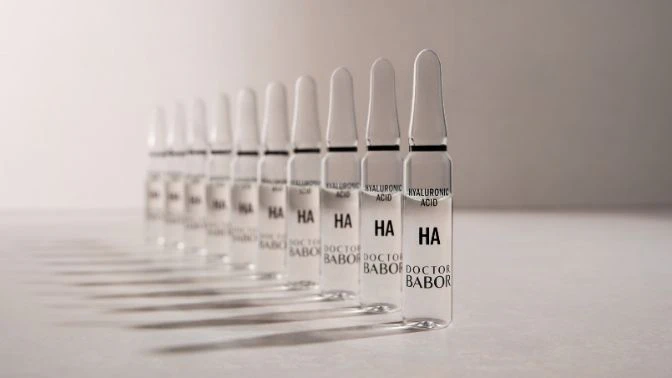
When included in a moisturizer, AHAs work on the surface layer of your skin to create a brighter, smoother, and more even appearance. They help loosen the bonds holding dead skin cells together, making it easier to shed them. This process helps address several common concerns, including blemishes, clogged pores, dark spots, and the appearance of fine lines and wrinkles. Beyond just exfoliation, AHAs also encourage your skin to produce new cells and more collagen. This helps improve your skin's texture over time, leaving it feeling softer and looking more refreshed. It’s a key reason why high-performance lines like DOCTOR BABOR often incorporate these powerful ingredients.
What an AHA Moisturizer Can Do for Your Skin
An AHA moisturizer is more than just a hydrating cream; it’s a multi-tasking product that works to refine and renew your skin with every application. By combining the gentle power of alpha-hydroxy acids with essential moisture, these formulas help you achieve a complexion that looks smoother, brighter, and more even-toned. Think of it as getting the benefits of a chemical exfoliant and a hydrator in one simple step. This combination is perfect for addressing concerns like dullness, uneven texture, and the first signs of aging. Let’s look at exactly how an AHA moisturizer can transform your skin.
Gently Exfoliate for a Smoother Feel
One of the main jobs of an AHA moisturizer is to provide gentle, consistent exfoliation. AHAs like glycolic and lactic acid work by dissolving the bonds that hold dead cells to your skin's surface. This process helps slough away dull, rough patches without the need for harsh scrubbing. The result is a noticeably smoother and more refined skin texture. By clearing away that top layer of dead cells, you’re also allowing the other ingredients in your routine to absorb more effectively. This makes it a foundational step for achieving a soft, polished complexion that feels as good as it looks.
Hydrate and Help Your Skin Retain Moisture
While the word "acid" might sound drying, many AHAs are actually excellent hydrators. Lactic acid, in particular, is known for its ability to attract and hold moisture in the skin. This makes it a fantastic ingredient for those who want exfoliation without compromising their skin’s hydration levels. An AHA moisturizer works to both remove dry, flaky skin and replenish moisture at the same time. This dual-action approach helps strengthen your skin’s natural barrier, making it better at retaining moisture over time. It’s an ideal way to keep your skin feeling balanced, comfortable, and perfectly hydrated.
Improve Your Skin's Texture and Radiance
If your skin is looking a bit lackluster, an AHA moisturizer can help restore its natural radiance. By consistently clearing away dead skin cells, AHAs reveal the fresher, brighter skin underneath. This helps diminish the appearance of dark spots, post-blemish marks, and uneven skin tone. Over time, you’ll notice your complexion looks more luminous and even. Our high-performance DOCTOR BABOR line includes advanced formulas designed to deliver these kinds of visible results. Regular use of an AHA moisturizer helps smooth out texture and unclog pores, giving you that healthy, lit-from-within glow.
Reduce the Appearance of Fine Lines
AHAs are also a great addition to any age-defying skincare routine. Studies show that these acids can help reduce the appearance of fine lines and wrinkles. They do this by supporting the skin’s natural production of glycosaminoglycans, which are substances that help keep the skin plump and firm. By encouraging this process, AHAs can help thicken the skin from within, making surface lines less visible. This gives your skin a smoother, more youthful appearance. When included in your daily moisturizer, AHAs provide a simple yet effective way to address the signs of aging.
How to Choose the Right AHA Moisturizer
Finding the perfect AHA moisturizer can feel like a big task, but it doesn't have to be. When you know what to look for, you can confidently pick a product that will give you that smooth, radiant glow you're after. It’s not just about grabbing the first bottle you see; the secret is in the details of the formula. By paying attention to the concentration of the acid, the other ingredients it’s paired with, and the overall quality of the product, you can find a moisturizer that works beautifully for your skin.
Check the AHA Concentration
When it comes to AHAs, more isn't always better. The effectiveness of an AHA product, and how your skin reacts to it, really depends on its concentration. A higher percentage might offer more dramatic results, but it can also increase the risk of irritation, especially if your skin is new to acids. If you're just starting, it's a great idea to begin with a lower concentration to let your skin acclimate. This allows you to get the exfoliating benefits without overwhelming your skin barrier. You can always move to a stronger formula later on as your skin builds tolerance.
Look for Complementary Ingredients
An AHA moisturizer is a team player, and its supporting ingredients are just as important as the acid itself. Since AHAs work by exfoliating the skin, you want to look for formulas that also include hydrating and soothing components to keep your skin balanced and happy. Ingredients like hyaluronic acid are fantastic because they draw moisture into the skin, leaving it plump and hydrated. Other nourishing additions, like ceramides or squalane, help support your skin’s natural barrier. These complementary ingredients in our moisturizers ensure you get all the smoothing benefits of AHAs without sacrificing moisture.
Consider the pH and Formulation Quality
The concentration of an AHA is only part of the story; the product's pH level is also key to its performance. A well-formulated AHA product has a specific pH that allows the acid to work effectively without being overly harsh. This is where choosing a professional-grade product makes a real difference. Brands dedicated to scientific innovation, like our DOCTOR BABOR line, create formulas that are precisely balanced for optimal results and skin safety. Always introduce new acid products slowly into your routine. This gives your skin time to adjust and helps you avoid potential irritation while you work your way toward a brighter complexion.
Our Top Professional-Grade AHA Recommendations
When you’re looking for skincare that delivers truly noticeable results, it’s time to explore professional-grade options. While many products contain AHAs, their effectiveness can vary greatly. This is where precision and expertise make all the difference. At BABOR, our most advanced, targeted solutions are found within our DOCTOR BABOR collection, a line of cosmeceuticals that brings the power of a professional treatment into your home.
These high-performance products are developed to address specific skin concerns with potent, active ingredients. If you want to see a real change in your skin’s texture, clarity, and overall radiance, a professional-grade AHA product is an excellent place to start. We’ve carefully engineered our formulas to provide maximum impact while respecting your skin’s health. Instead of just another step in your routine, think of these as targeted treatments that work hard to give you the smooth, glowing skin you’re after.
Why We Love the DOCTOR BABOR Refine Cellular AHA 10+10 Peeling Gel
For a truly transformative at-home treatment, our top choice is the DOCTOR BABOR Refine Cellular AHA 10+10 Peeling Gel. This next-generation fruit acid peel is expertly balanced to renew the skin without unnecessary irritation. Its power comes from a precise blend of 10% AHAs, including glycolic acid, and 10% antioxidants.
This combination works to gently remove dead skin cells, refine pores, and smooth your skin’s surface. The addition of antioxidants helps protect the fresh, new skin underneath. It’s a smart, effective way to encourage skin renewal and improve texture, revealing a brighter and more even-toned complexion. This peeling gel is a perfect example of how a well-designed formula can deliver professional results.
What Sets Professional-Grade Formulas Apart
So, what exactly is the difference between a standard AHA product and a professional-grade one? It really comes down to potency and intelligent design. Professional-grade AHA products, like those in our serum collections, often contain higher concentrations of active ingredients. This potency is key to achieving more significant and visible results in your skin’s texture and clarity.
Beyond just the concentration, these formulas are designed for maximum effectiveness. They are developed with sophisticated delivery systems to ensure the active ingredients penetrate the skin properly and perform as intended. These are the types of intensive treatments you might find in a spa or aesthetician’s office, created to provide a higher level of performance than many everyday options.
Is an AHA Moisturizer Right for Your Skin Type?
One of the best things about alpha-hydroxy acids is their versatility. Whether you’re looking to smooth fine lines, get a more even skin tone, or add a dose of hydration, there’s likely an AHA that can help you reach your goals. But since different AHAs have different strengths, it’s helpful to know which ones work best for specific skin concerns. Finding the right match ensures you get all the benefits without overwhelming your skin. Let’s walk through how an AHA moisturizer can work for you based on your skin’s unique needs.
For Mature or Aging Skin
If you’re focused on addressing the visible signs of aging, an AHA moisturizer can be a fantastic addition to your routine. As we get older, our skin’s natural exfoliation process slows down, which can contribute to a dull appearance and fine lines. AHAs step in to gently speed up cell turnover, revealing fresher, more youthful-looking skin. They also do more than just surface-level work. Certain AHAs can improve the appearance of wrinkles by supporting your skin’s underlying structure, helping it look and feel firmer and plumper. This is why you’ll often find them in advanced skincare collections like DOCTOR BABOR, which are designed to deliver visible, professional results.
For Dull or Uneven Skin Tones
Dealing with a lackluster complexion or uneven skin tone can be frustrating, but this is where AHAs truly shine. By whisking away the buildup of dead skin cells on the surface, they help your skin reflect light more evenly, giving you that sought-after radiant glow. This exfoliating action is also effective for improving skin texture and reducing the appearance of dark spots, post-blemish marks, and clogged pores. If your goal is brighter, smoother skin, an AHA moisturizer can be a game-changer. Using one consistently helps create a more uniform canvas, making it a versatile choice for anyone wanting to refine their overall complexion.
For Dry and Dehydrated Skin
It might seem counterintuitive to use an exfoliant on dry skin, but the right AHA can actually improve hydration. Lactic acid, which is derived from milk, is a perfect example. It’s a gentler, larger molecule than other AHAs, so it works on the skin’s surface to exfoliate without stripping away essential moisture. In fact, it’s known for its ability to help the skin stay hydrated. When you find a moisturizer that pairs a gentle AHA like lactic acid with powerful hydrators like hyaluronic acid, you get the best of both worlds: smoother texture and a well-moisturized, comfortable feel. This makes it an excellent option even for sensitive skin types.
What to Know Before Using an AHA Moisturizer
Adding an AHA moisturizer to your routine can be a game-changer for your skin, but it’s important to introduce it correctly. Because alpha-hydroxy acids are active ingredients that work to resurface the skin, a little bit of know-how goes a long way in getting those radiant results you’re looking for without any unwanted side effects.
Think of it like starting a new fitness routine; you want to ease into it to let your skin adapt. By following a few simple guidelines, you can ensure your experience with AHAs is smooth, effective, and leaves your skin looking its absolute best. Here’s what to keep in mind before you get started.
How to Minimize Potential Irritation
When you first start using an AHA product, the key is to go slow. Begin by applying it just once or twice a week to see how your skin responds. If everything looks and feels good after a couple of weeks, you can gradually increase the frequency. Using AHAs too often or applying too much product can compromise your skin barrier, which can lead to redness, sensitivity, or even breakouts. It’s all about finding that sweet spot where you get all the exfoliating benefits without overwhelming your skin. Listen to what your skin is telling you.
Why Sunscreen Is Non-Negotiable
This is the golden rule of using AHAs: you must wear sunscreen every single day. AHAs work by revealing fresh, new skin cells, which are more vulnerable to sun damage. This increased sensitivity means you need to be extra diligent about sun protection. Applying a broad-spectrum sunscreen daily, even when it’s cloudy, is essential to protect your results and prevent new signs of aging or discoloration from forming. Think of your AHA moisturizer and your favorite moisturizer with SPF as the ultimate power couple working to keep your complexion bright and healthy.
Who Should Use AHAs with Caution
While AHAs are fantastic for many skin types, those with very sensitive or reactive skin should proceed with more care. Ingredients like glycolic acid are highly effective, but they can sometimes cause irritation for skin that’s easily upset. If you know your skin is sensitive, it’s always a good idea to patch-test a new product on a small area first. You might also consider starting with a product that has a lower AHA concentration. For expertly crafted products designed for powerful results with minimal irritation, explore our DOCTOR BABOR collection.
How to Add an AHA Moisturizer to Your Routine
Introducing any new active ingredient into your skincare routine requires a thoughtful approach, and AHAs are no exception. While they offer incredible benefits, using them correctly is key to getting that glow without the irritation. The goal is to integrate your AHA moisturizer seamlessly so your skin can adapt and you can enjoy the results. It’s all about finding the right frequency and combination of products that work for you. Let’s walk through how to make an AHA moisturizer a happy part of your skincare lineup.
When to Apply Your AHA Moisturizer
Timing is everything. Because alpha-hydroxy acids can make your skin more sensitive to the sun, it’s best to use your AHA moisturizer in your evening routine. Think of it as a night treatment that works while you sleep to reveal brighter, smoother skin by morning. Apply it after you’ve thoroughly cleansed your face and applied any lightweight serums. The moisturizer should be one of the last steps, locking in hydration and allowing the AHAs to gently exfoliate overnight. Applying it to freshly cleansed skin ensures there’s no barrier preventing the active ingredients from doing their job effectively.
How Often Should You Use It?
The golden rule for using AHAs is to start low and go slow. If you’re new to acids or have sensitive skin, begin by applying your AHA moisturizer just once or twice a week. This gives your skin time to adjust and helps you monitor for any signs of sensitivity. Pay attention to how your skin feels and looks the next day. If everything seems fine after a couple of weeks, you can gradually increase the frequency to every other night or as recommended by the product instructions. Remember, consistency is more important than intensity. Over-exfoliating can damage your skin barrier, so listening to your skin is essential.
What Not to Mix with AHAs
To avoid irritation, be mindful of what other active ingredients are in your routine. It’s generally not a good idea to use an AHA moisturizer at the same time as other potent products, like retinoids, vitamin C, or other chemical exfoliants (like BHAs). Using too many strong ingredients at once can lead to redness, burning, and peeling. On the nights you use your AHA moisturizer, keep the rest of your routine simple and focused on hydration. On your "off" nights, you can use other actives. And always, always patch-test a new product on a small area of skin before applying it all over your face.
AHA Moisturizers vs. Other Exfoliants
When you hear "exfoliant," you might picture a gritty scrub. But the world of exfoliation is much broader, especially when it comes to gentle yet effective acids. Understanding the different types of exfoliants and how they're delivered can help you find the perfect match for your skin goals. Let's look at how AHA moisturizers stack up against other popular options.
Should You Choose an AHA or a BHA?
Both AHAs (alpha-hydroxy acids) and BHAs (beta-hydroxy acids) are chemical exfoliants, meaning they work by gently dissolving the bonds that hold dead skin cells to the surface. The main difference lies in how they work. AHAs are water-soluble, so they act on the top layer of your skin. This makes them fantastic for addressing surface-level concerns like dullness, uneven texture, and the appearance of fine lines. BHAs, on the other hand, are oil-soluble. This allows them to get deeper into your pores to clear out excess sebum and debris, making them a go-to for oily or blemish-prone skin. If your primary goals are radiance and smoother texture, an AHA is your best bet.
Moisturizer, Serum, or Treatment: What's the Difference?
You can find AHAs in everything from cleansers to potent peels, but the most common formats are moisturizers, serums, and treatments. An AHA moisturizer is a brilliant multi-tasker, delivering gentle exfoliation alongside essential hydration in one step. A serum is typically more lightweight and concentrated, designed to deliver a powerful dose of AHAs to target specific issues before you apply your cream. An AHA treatment, like a mask or peel, offers a more intensive resurfacing effect and is usually used once or twice a week. Choosing between them comes down to your routine and skin sensitivity. For consistent, gentle renewal, an AHA moisturizer is an excellent foundation for any skincare regimen.
Common Myths About AHA Moisturizers, Debunked
Alpha hydroxy acids are some of the most effective ingredients in skincare, but they’re also surrounded by a lot of confusion. When you’re investing in a professional-grade product, you want to feel certain you’re using it correctly. Let’s clear up a few common myths about AHA moisturizers so you can add one to your routine with total confidence and get the radiant results you’re looking for.
Myth: A Higher Concentration Is Always Better
It’s easy to think that a stronger acid will deliver faster, more dramatic results. However, when it comes to AHAs, more is not always more. A very high concentration can overwhelm your skin, leading to irritation, redness, and a compromised skin barrier. The goal is effective exfoliation, not inflammation. A well-formulated product with a balanced concentration is far more beneficial. Instead of reaching for the highest number you can find, choose a concentration that suits your skin’s tolerance. This ensures you get all the smoothing and brightening benefits without any of the unwanted side effects.
Myth: You Can't Use AHAs if You Have Sensitive Skin
If you have sensitive skin, you’ve probably been told to stay away from acids. While it’s true you should be cautious, you don’t have to miss out on the benefits of AHAs entirely. Many people with sensitive skin can use AHAs successfully by choosing the right product. Look for moisturizers that pair a gentle AHA, like lactic acid, with soothing and hydrating ingredients. It’s also smart to start slowly, perhaps using the product just a few times a week, and always perform a patch test first. The key is finding a formula designed for your skin’s needs, not avoiding an entire category of ingredients.
Myth: AHAs Make Your Skin Too Sun-Sensitive to Use
This is a big one, and it’s partially true. AHAs work by removing the top layer of dead skin cells, which can make your skin more vulnerable to the sun. But that doesn’t mean you should only use them at night or skip them altogether. It simply means that wearing sunscreen is absolutely essential. Think of them as a team: your AHA moisturizer refines your skin, and a broad-spectrum sunscreen protects it. As long as you are diligent with daily sun protection, you can safely use AHAs and enjoy their skin-smoothing benefits without worry.
Professional vs. Over-the-Counter AHA Formulas
When you browse for AHA products, you’ll find everything from gentle daily lotions to potent peels. The main difference between these options often comes down to the concentration of the active ingredients and the sophistication of the product's delivery system. While over-the-counter products are designed for broad, everyday use, professional-grade skincare offers a more targeted and powerful approach to addressing specific skin concerns.
Understanding this distinction is key to choosing a product that not only delivers the results you want but also works safely and effectively for your skin. A higher concentration isn’t always the goal; the right concentration, supported by a well-crafted product, is what truly matters.
The Advantages of a Professional-Grade Product
Professional-grade formulas, like those in our DOCTOR BABOR collection, typically contain higher concentrations of AHAs. While many daily products contain less than 10% AHAs, professional treatments can go much higher, leading to more significant and immediate results in texture and radiance. This increased potency allows them to work more effectively on concerns like stubborn discoloration and deeper fine lines.
However, this power comes with responsibility. Higher concentrations can increase the risk of irritation, redness, and sun sensitivity if not used correctly. Research has shown that even a 10% glycolic acid product can make skin more susceptible to UV light. That’s why professional products are developed with advanced science to ensure stability and performance, delivering maximum benefits while respecting your skin’s health.
When to Talk to a Skincare Expert
If you’re unsure where to start with AHAs or have sensitive skin, talking to a skincare professional is an excellent step. An expert can analyze your skin’s specific needs and recommend the right product and routine for you. They can help you find a balance that gives you visible results without causing irritation.
You should always pay close attention to how your skin reacts when introducing a new AHA product. Some initial tingling can be normal, but side effects like lasting redness, burning, or swelling are signs to pull back. And remember, protecting your skin from the sun is crucial when using any AHA. A daily broad-spectrum sunscreen is essential to shield your newly exfoliated skin and maintain your results. Pairing your treatment with hydrating moisturizers will also help keep your skin barrier strong and comfortable.
Related Articles
Frequently Asked Questions
How often should I really be using my AHA moisturizer? The best approach is to start slowly. Begin by applying it just two or three nights a week to let your skin get used to the new active ingredient. Pay attention to how your skin looks and feels. If it remains calm and happy, you can gradually increase the frequency. The goal is consistent exfoliation, not overwhelming your skin, so there's no need to rush into nightly use.
Is an AHA moisturizer a good choice if I have oily or blemish-prone skin? Yes, it can be a great option. While BHAs are known for getting into pores to clear out oil, AHAs work on the skin's surface to help with issues common to oily skin, like rough texture and post-blemish marks. Using an AHA moisturizer can help create a smoother, more even-toned complexion and improve overall radiance without adding extra oil.
What’s the difference between an AHA moisturizer and a stronger AHA peel? Think of an AHA moisturizer as your tool for steady, gentle maintenance. It provides consistent, low-level exfoliation and hydration in one step, making it perfect for regular use. An AHA peel, on the other hand, is a more intensive treatment designed for a significant resurfacing effect. You would use a peel less frequently, maybe once a week, to give your skin a more powerful reset.
My skin tingles a little after I apply my AHA moisturizer. Is that normal? A slight, temporary tingling sensation can be completely normal when you first introduce an AHA product into your routine. This usually subsides after a minute or two as your skin adjusts. However, if you experience any lasting stinging, burning, or significant redness, that's a sign of irritation. In that case, you should reduce how often you use the product or give your skin a break.
How long will it take to see results from an AHA moisturizer? Patience is key when it comes to active skincare. You might notice that your skin feels softer and smoother within the first couple of weeks. More significant improvements, like a more even skin tone and a reduction in the appearance of fine lines, typically take longer. For the best results, stick with your routine consistently for at least a month to give your skin time to renew itself.