Think of your skin’s surface as a bustling neighborhood. When the friendly residents (good bacteria) are thriving, the neighborhood is peaceful and safe. But when troublemakers (bad bacteria) take over, chaos ensues in the form of irritation and redness. This is your skin’s microbiome. For those with sensitive complexions, this neighborhood is often in a state of unrest. Probiotic skincare for sensitive skin acts like a peacekeeper, introducing more friendly residents to restore order and harmony. This guide will explain the science in simple terms, show you which probiotic strains are best for calming skin, and help you build a routine that supports a healthy, balanced microbiome.
Key Takeaways
- Balance your skin's microbiome for a stronger barrier: Probiotic skincare introduces beneficial bacteria to support your skin's natural ecosystem. This helps fortify its protective barrier, leading to calmer, more hydrated, and less reactive skin.
- Choose products based on your skin goals: Different probiotic strains offer unique benefits. Pinpoint your primary concern, such as redness or dryness, and look for formulas with specific strains and other soothing ingredients like hyaluronic acid to get targeted results.
- Incorporate new products slowly and correctly: To avoid potential irritation, always patch test new skincare first. When you're ready, add the product to your routine just a few times a week and remember to layer correctly, applying thinner formulas like serums before thicker creams.
What Is Probiotic Skincare?
You’ve probably heard about probiotics for gut health, but these beneficial microorganisms are just as important for your skin. Think of your skin as a bustling ecosystem, home to trillions of bacteria, both good and bad. This community is called the skin microbiome, and when it’s in harmony, your skin looks and feels its best. Probiotic skincare uses these "good" bacteria to help maintain that delicate balance.
When applied topically, these ingredients work to strengthen your skin's natural defenses, calm signs of irritation, and support a healthy barrier. It’s a gentle yet powerful way to care for your complexion, especially if you have sensitive or reactive skin. By working with your skin's own biology, probiotic skincare helps it become more resilient and radiant.
How Probiotics Work on Your Skin
Applying probiotics directly to your skin helps reinforce its community of good bacteria. This process brings your skin’s microbiome back into a state of balance, which can easily be thrown off by stress, pollution, or even using the wrong products. A balanced microbiome is the foundation of a strong, healthy skin barrier.
For sensitive skin, this is a game-changer. Probiotics can help soothe discomfort and reduce visible redness, making your skin feel more comfortable. They also help your skin better tolerate other skincare ingredients, so you can get the most out of your routine without the irritation. Our DOCTOR BABOR MICROBIOMIC line features advanced formulas that often incorporate these principles to support skin health.
Supporting Your Skin's Microbiome
A healthy microbiome is your skin's first line of defense. When it's thriving, your skin barrier can effectively fight off environmental aggressors and lock in moisture, preventing issues like excessive dryness or oiliness. The result is a complexion that looks calm, clear, and glowing.
Probiotic skincare actively supports this protective shield. Certain strains of probiotics, like Lactobacillus and Bifidobacterium, are particularly great for skin health. They can help lower your skin's pH level, creating an environment where harmful bacteria struggle to survive. This helps keep your skin clear and reduces the likelihood of irritation. Incorporating targeted serums with these ingredients can make a noticeable difference in your skin's overall resilience.
Why Your Sensitive Skin Will Love Probiotics
If you have sensitive skin, you know the feeling. It’s that constant walking on eggshells, wondering if a new product, a change in the weather, or even stress will trigger redness, tightness, or irritation. It can feel like your skin is working against you. Probiotic skincare offers a different approach. Instead of just managing symptoms, it works to restore balance to your skin’s delicate ecosystem, the microbiome. By introducing beneficial bacteria, you’re essentially giving your skin the support it needs to become stronger, calmer, and more resilient on its own. Think of it as a peace treaty for your complexion, helping it find a state of calm and stability.
Strengthen Your Skin Barrier
Imagine your skin has a protective shield, known as the skin barrier. For sensitive skin, this shield is often a bit weak, allowing irritants to get in and moisture to get out. Probiotics are fantastic at reinforcing this barrier. They help fortify your skin’s natural defenses, making it feel more robust and less reactive to environmental stressors like pollution and temperature changes. A stronger skin barrier means your skin is better equipped to protect itself, leading to a complexion that feels more comfortable and looks visibly healthier. It’s a fundamental step toward breaking the cycle of sensitivity.
Calm Inflammation and Irritation
One of the most frustrating parts of having sensitive skin is the persistent redness and inflammation. Probiotics have natural anti-inflammatory properties that can be incredibly soothing. They help calm the skin’s stress response, which in turn reduces visible redness and irritation. This is especially helpful for skin prone to conditions like rosacea or eczema. By dialing down the inflammation, probiotics help your skin achieve a more even, balanced tone. The result is a complexion that not only looks calmer but feels it, too, giving you a smooth, comfortable canvas.
Balance Your Skin's pH
Your skin is naturally slightly acidic, and maintaining this specific pH level is crucial for its health. When the pH is off-balance, it can create an environment where harmful bacteria thrive, leading to breakouts and irritation. Probiotics help maintain your skin’s optimal pH. By encouraging a healthy environment, they make it more difficult for the bad bacteria to take over. This rebalancing act is key to preventing flare-ups and keeping your skin in a state of harmony. It’s a gentle way to guide your skin back to its healthiest, most stable state.
Improve Hydration and Product Tolerance
A balanced microbiome doesn't just calm irritation; it also helps your skin retain moisture more effectively. Probiotics can significantly improve your skin’s hydration levels, leaving it feeling plump and supple. An added bonus? When your skin is balanced and hydrated, it often becomes more tolerant of other skincare products. This means you might find that other serums and treatments in your routine work better without causing a reaction. It’s a wonderful benefit for anyone who has struggled to build an effective routine without triggering sensitivity. Your skin becomes less reactive and more receptive to nourishing moisturizers.
The Best Probiotic Strains for Sensitive Skin
Just like the different flowers in a garden, not all probiotics perform the same job. Different strains have unique talents, especially when it comes to caring for sensitive skin. If you know what your skin needs, whether it’s a stronger barrier or less redness, you can look for the specific probiotic strain that can help you get there. Let’s meet a few of the most effective good bacteria for calming and supporting sensitive skin.
For Barrier Repair: Lactobacillus Rhamnosus
Think of your skin barrier as a security guard for your face. When it’s strong, it keeps moisture in and irritants out. For sensitive skin, this barrier is often compromised, leading to dryness and reactivity. This is where Lactobacillus rhamnosus comes in. This powerful strain is known for its ability to strengthen the skin barrier, helping your skin become more resilient against daily environmental stressors. By reinforcing your skin’s natural defenses, it helps calm irritation and lock in essential hydration, leaving your complexion feeling more comfortable and protected.
For Hydration: Bifidobacterium Longum
If your sensitive skin constantly feels tight, dry, or thirsty, it’s craving a deep dose of hydration. Bifidobacterium longum is a superstar strain for this exact purpose. It works to significantly improve your skin’s moisture levels, giving it that plump, dewy look. But it doesn’t stop there. This probiotic also helps with skin repair and can improve elasticity, which keeps your skin looking and feeling supple. By focusing on improving skin hydration from within, Bifidobacterium longum helps create a healthier, more balanced complexion that’s less prone to sensitivity.
For Redness: Lactobacillus Plantarum
Dealing with persistent redness and irritation can be one of the biggest challenges of having sensitive skin. Lactobacillus plantarum acts like a peacekeeper, working to soothe your complexion and dial down reactivity. This strain is particularly effective at reducing redness and sensitivity, helping to calm flare-ups and restore a sense of balance. Even better, it can improve your skin’s overall tolerance, making it less likely to react negatively to other products or environmental triggers. If you’re looking for a calmer, more even-toned complexion, this is a strain to have on your side.
How to Choose the Right Probiotic Skincare
Finding the right probiotic skincare doesn't have to be a guessing game. When you know what to look for, you can confidently choose products that will calm, balance, and strengthen your sensitive skin. It all comes down to understanding your skin’s unique needs and learning how to read a product label. Think of it as matchmaking: you’re looking for the perfect partner to support your skin’s microbiome and bring it back to a state of harmony. Let’s walk through the key things to consider so you can find your ideal probiotic product.
Pinpoint Your Skin's Needs
The first step is to get clear on what you want to achieve. Are you dealing with persistent redness, a compromised skin barrier, or general sensitivity? The best probiotic for you depends entirely on your skin goals. Certain strains are better suited for specific issues; for example, some types of Lactobacillus are fantastic for calming irritation, while Bifidobacterium can help improve hydration. Probiotics also have the wonderful benefit of soothing the skin, which can make it easier for your complexion to tolerate other active ingredients in your routine. By identifying your main concerns, you can narrow your search to MICROBIOMIC designed for visible results.
Live vs. Lysed Probiotics: What's the Difference?
When you see "probiotics" on a label, it can mean a few different things. You might find products with live bacteria, but more often, skincare uses probiotic lysates or ferments. These are non-living fragments or extracts of beneficial bacteria. Don't worry, "non-living" doesn't mean ineffective. In fact, these lysates are often more stable in skincare products and provide incredible benefits. They work by signaling to your skin's cells and existing microbiome, helping to strengthen your skin's defenses, reduce irritation, and maintain a healthy balance. Think of them as powerful messengers that encourage a calm and resilient complexion without introducing new, live organisms.
Look for These Soothing Ingredients
Probiotics are team players. While they are powerful on their own, they work even better when paired with other skin-calming ingredients. Their natural anti-inflammatory properties are excellent for taking down redness and soothing conditions like rosacea and eczema. When you're looking at a product, check for other supportive ingredients that will complement the probiotics. Things like hyaluronic acid for hydration, ceramides to reinforce the skin barrier, and panthenol (ProVitamin B5) for its calming effects are all fantastic additions. A well-rounded product with a blend of these ingredients will give your sensitive skin the comprehensive support it needs in a daily moisturizer.
Read Product Labels Like a Pro
Learning to scan an ingredient list is one of the best skills you can develop for your skin. Beyond just looking for a specific probiotic strain, pay attention to the entire product. Does it contain other beneficial ingredients like peptides for firming or antioxidants to protect against environmental stressors? A great product is about more than just one star ingredient. You should also be mindful of what isn't in the product. For sensitive skin, it's wise to avoid potential irritants like heavy fragrances or drying alcohols. Choosing thoughtfully created serums that respect your skin’s natural balance is key to getting the results you want without the irritation.
Our Favorite Probiotic Skincare for Sensitive Skin
Finding the right products for sensitive skin can feel like a challenge, but incorporating probiotic skincare is a great step toward a calmer, more balanced complexion. When your skin's microbiome is in harmony, your skin simply looks and feels healthier. Probiotics help fortify your skin's natural defenses, making it more resilient against environmental stressors. A balanced microbiome can even improve your skin's ability to tolerate other active ingredients in your routine.
We’ve put together a guide to our top choices that help support and nurture your skin’s delicate ecosystem. From a protective balm that acts as a shield to gentle daily essentials, these products are designed to soothe, hydrate, and strengthen. Think of this as your curated list for building a routine that works with your sensitive skin, not against it. Each selection is chosen to help you achieve that healthy, glowing look that comes from a truly balanced DOCTOR BABOR skincare routine.
The Ultimate Protector: DOCTOR BABOR MINERAL SUNSCREEN SPF 30
For skin that needs an extra layer of defense, the DOCTOR BABOR SPF30 is an exceptional choice. Formulated to create a breathable film on the skin, helping to shield it from external irritants while supporting its natural regeneration processes. Think of it as a comforting cocoon for your face. Using this balm can help make your sensitive skin feel more resilient and better prepared to handle other skincare ingredients, creating the perfect foundation for a healthy microbiome.
Gentle Cleansers for Everyday
Starting your routine with the right cleanser is non-negotiable for sensitive skin. A harsh formula can strip the skin of its essential moisture and disrupt its delicate microbiome, leading to irritation and discomfort. Instead, look for gentle, soothing cleansers that effectively remove impurities without compromising your skin barrier. The goal is to find a product that leaves your skin feeling calm, strong, and comfortable. When you begin with a gentle base, you set the stage for the rest of your products to work more effectively, helping you maintain a balanced and happy complexion day after day.
Hydrating Moisturizers and Serums
Hydration is key to strengthening your skin’s barrier, and probiotic-infused moisturizers and serums are fantastic for this. These products often contain a blend of prebiotics, probiotics, and postbiotics that work together to deliver deep hydration and support your skin’s microbiome. Formulations with powerful plant extracts can also help lock in moisture while gently conditioning the skin’s surface. The result is skin that feels softer, stronger, and more supple. Incorporating hydrating serums and moisturizers into your daily routine is a simple way to give sensitive skin the consistent nourishment it needs.
Targeted Treatments for Specific Concerns
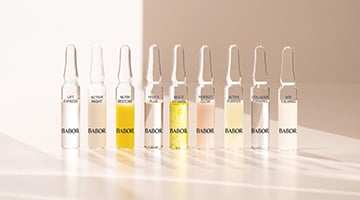
When dealing with specific issues like persistent redness or dryness, a targeted treatment can make all the difference. Look for products that feature specific probiotic strains known for their skin-soothing benefits. For example, certain strains of Lactobacillus are especially effective at strengthening the skin barrier, improving moisture retention, and calming irritation, making them ideal for dry, sensitive skin. These potent ingredients are often found in concentrated formulas like our signature Ampoule Concentrates. Adding a targeted treatment to your routine allows you to address your unique concerns with precision, helping you achieve a more even and comfortable complexion.
Could Probiotic Skincare Irritate My Skin?
Introducing any new product to your routine comes with questions, especially when you have sensitive skin. While probiotic skincare is celebrated for its gentle, barrier-supporting properties, it’s smart to be mindful of how your unique skin might react. The goal is to find what works for you, and that process starts with being informed. Understanding the potential for irritation and knowing how to introduce new products correctly will help you add probiotics to your routine with confidence.
Potential Side Effects to Know
Probiotics are fantastic for helping sensitive skin feel more resilient and better equipped to handle other skincare ingredients. For most people, they are a calming and balancing addition. However, it's possible to have a sensitivity to a specific probiotic strain or another ingredient within the product's mixture. Just as certain foods agree with some people and not others, the same can be true for topical ingredients. An adverse reaction is uncommon, but if your skin’s balance is disrupted, you might notice minor irritation. Listening to your skin is always the most important step.
How to Patch Test and Introduce New Products
The best way to introduce a new product is slowly and deliberately. Before applying a new probiotic serum or moisturizer all over your face, perform a patch test. Apply a small amount of the product to a discreet area, like the inside of your wrist or behind your ear, and wait 24 to 48 hours. If you don’t see any signs of irritation, you can feel more secure about applying it to your face. When you’re ready, start by incorporating the product into your routine just a few times a week, gradually increasing the frequency as your skin adjusts. This gives your microbiome time to adapt.
When to Stop Using a Product
Pay close attention to how your skin responds after you start using a new product. If you notice any uncharacteristic redness, itching, or breakouts, it might be a sign that the product isn't the right fit for you. Should this happen, it’s best to stop using it. If the irritation continues, consider speaking with a skincare professional to get personalized advice. For advanced, targeted solutions that are developed with skin tolerance in mind, you can explore our DOCTOR BABOR collection, which is grounded in medical research.
How to Build Your Probiotic Skincare Routine
Ready to add probiotics to your daily lineup? It’s simpler than you might think. Building a routine that supports your sensitive skin is all about consistency and choosing the right moments to apply your products. Here’s how to fit probiotic skincare into your morning and evening rituals for a calmer, more balanced complexion.
When to Apply: Morning vs. Evening
The great thing about probiotics is their versatility. You can use them in the morning, at night, or both. Applying a probiotic serum or moisturizer in the morning helps fortify your skin’s defenses against daily environmental stressors. It acts like a protective shield for your microbiome. At night, probiotic skincare supports your skin’s natural repair cycle, working to soothe and restore balance while you sleep. Because probiotics can help your skin better tolerate other active ingredients, they make a fantastic foundational step in any routine, day or night. It really comes down to your personal preference and your skin’s specific needs.
How to Layer Probiotics with Other Ingredients
Probiotics are team players and generally get along well with other skincare ingredients. In fact, they often work even better when paired with complementary actives. Look for products that combine probiotics with hydrating heroes like hyaluronic acid or barrier-supporting peptides. When layering, always follow the golden rule: apply products from the thinnest to thickest consistency. A lightweight probiotic serum goes on after cleansing and toning but before a richer cream. Our MICROBIOMIC collection often features these kinds of sophisticated, multi-ingredient products designed for maximum results. Just be mindful when using them with potent exfoliants, and always give your skin time to adjust.
Create Your Gentle, Effective Routine
If your skin is sensitive, the key is to introduce new products slowly. Start with one probiotic product, like a gentle cleanser or a soothing moisturizer, and use it consistently for a couple of weeks. This gives your skin time to acclimate and allows you to see how it responds. Once you know your skin is happy, you can consider adding another product. This gradual approach helps prevent overwhelming your skin barrier. Think of it as building a foundation of trust with your skin. If you're looking for a place to start, our Best Sellers are customer-loved for a reason and can be a great way to find a gentle, effective product to begin your journey.
Get Expert Advice and Find Your Perfect Products
Adding new products to your routine, especially when you have sensitive skin, can feel like a big step. The goal is to find formulas that soothe and strengthen your skin, not cause more stress. Making informed decisions is key to getting the results you want. By seeking out expert guidance, checking what others are saying, and shopping from trusted sources, you can feel confident about the products you choose for your skin.
Talk to a BABOR Skincare Specialist
If you’re feeling unsure where to start, the best first step is to talk to a professional. A skincare specialist can help you understand your skin’s specific needs and build a routine that truly supports it. Probiotics are fantastic for sensitive skin because they help restore balance and can even make your skin more tolerant of other active ingredients. A BABOR specialist can guide you to the right probiotic formulas and show you how to incorporate them for maximum benefit. This personalized approach takes the guesswork out of skincare, so you can focus on enjoying your calm, healthy-looking complexion.
Find Trustworthy Reviews
Hearing about someone else’s experience can be incredibly helpful when you’re considering a new product. Look for reviews from people who describe having skin concerns similar to yours, whether it’s redness, dryness, or general sensitivity. When you find a product you’re interested in, like our DOCTOR BABOR best sellers, see what verified buyers have to say. Remember that skincare is personal, so what works for one person might not work for you. It’s always a good idea to introduce new products slowly and pay attention to how your skin responds.
Shop Authentic BABOR Products
To ensure you’re getting the high-performance formulas that BABOR is known for, always purchase from our official website or an authorized retail partner. Authentic products are crafted with precision, using specific blends of ingredients designed to deliver visible results. Counterfeit or expired products sold through unauthorized channels won’t perform as expected and could even irritate your skin. When you shop directly with us, you can be certain you’re receiving genuine, fresh, and effective skincare made to the highest standards. Your skin deserves the real thing.
Related Articles
Frequently Asked Questions
How long will it take to see results from using probiotic skincare? Skincare is a personal journey, and results can vary depending on your skin's starting point and consistency. Generally, you might begin to notice your skin feeling calmer and more hydrated within a few weeks. For more significant changes, like a stronger skin barrier and reduced reactivity, give it at least a month of consistent use. The goal of probiotic skincare is to create long-term balance, so patience is key.
Can I use probiotic skincare with other active ingredients like vitamin C or retinol? Yes, you absolutely can. Probiotics are excellent team players and can actually help your skin better tolerate more potent ingredients. By strengthening your skin's barrier and reducing irritation, they create a more resilient foundation. A good rule of thumb is to apply your probiotic serum or moisturizer after your vitamin C in the morning or before your retinol at night, but always introduce new combinations slowly to see how your skin responds.
Is probiotic skincare only for people with sensitive skin? While it's a game-changer for sensitive complexions, probiotic skincare offers benefits for all skin types. Everyone's skin microbiome can be thrown off balance by things like stress, pollution, or diet. Using probiotics helps maintain a healthy skin ecosystem, which can lead to better hydration for dry skin, less congestion for oily skin, and an overall stronger, more radiant complexion for normal skin.
What is the difference between prebiotics, probiotics, and postbiotics in skincare? Think of it like tending to a garden. Probiotics are the "good bacteria" themselves, the seeds you plant to help your skin's microbiome flourish. Prebiotics are the food or fertilizer for these good bacteria, helping them thrive. Postbiotics are the beneficial byproducts created by the probiotics, which can help soothe and strengthen the skin. Many advanced formulas use a combination of these to provide comprehensive support for your skin's health.
Do I need to keep my probiotic skincare products in the refrigerator? This is a common question, but for most skincare products, the answer is no. Unlike the live cultures in some foods, the probiotics used in skincare are typically stabilized lysates or ferments, which are non-living extracts. These are specifically designed to remain effective at room temperature. Always check the product's packaging for storage instructions, but you can generally keep them with the rest of your routine.