
It’s a common myth that a stronger, more aggressive product will deliver better anti-wrinkle results. For the thin, fragile skin around your eyes, this approach often does more harm than good, leading to irritation that can make fine lines look even more pronounced. The key isn’t strength, but precision. You need a product that is expertly formulated to be both highly effective and incredibly gentle. This is where advanced skincare science comes in, creating formulas that support the skin’s structure without overwhelming its defenses. Finding the best anti-wrinkle eye cream for sensitive skin means choosing a smart, targeted solution that works with your skin, not against it.
Key Takeaways
- Prioritize soothing and strengthening ingredients: For sensitive skin, focus on formulas with hydrating heroes like hyaluronic acid and firming peptides. It's equally important to avoid common irritants, such as synthetic fragrances and drying alcohols, which can compromise the delicate skin barrier.
- Master the right application technique: How you apply your eye cream matters. Use your ring finger to gently tap the product along your orbital bone, which prevents tugging on the skin. For visible results, make this a consistent part of your morning and evening skincare routines.
- Patch test new products and trust your skin: Before committing to a new eye cream, test a small amount on a discreet area for 24 to 48 hours. Any signs of redness, itching, or discomfort are your skin's way of telling you that the product isn't the right match.
What Your Sensitive Skin Needs in an Eye Cream
Finding the right eye cream when you have sensitive skin can feel like a high-stakes mission. The skin around your eyes is already the thinnest and most delicate on your face, so it’s naturally more prone to irritation. When you add sensitivity to the mix, the last thing you want is a product that causes redness or discomfort instead of smoothing wrinkles.
The secret isn't about using less potent products; it's about using smarter ones. It comes down to knowing which ingredients will nurture your skin barrier and which common irritants to steer clear of. Let's break down exactly what to look for on an ingredient list.
Ingredients That Calm and Protect
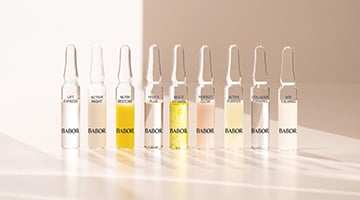
When you're scanning an ingredient list, think "hydration and support." Your goal is to find ingredients that strengthen your skin's delicate moisture barrier. Look for hydrating heroes like hyaluronic acid, squalane, and glycerin, which draw moisture into the skin for a plump, smooth appearance. Ceramides are also fantastic, as they are lipids that help form the skin's barrier and retain moisture. For the anti-wrinkle benefits, gentle yet effective peptides can help improve firmness and elasticity without the irritation that stronger actives can cause. These ingredients work together to soothe, hydrate, and fortify the skin, creating the perfect environment for a healthy, youthful-looking eye area. You can find many of these powerhouse ingredients in our high-performance serums.
Common Irritants to Avoid
Just as important as what’s in your eye cream is what’s not in it. Sensitive skin often reacts to ingredients that other skin types might tolerate. The biggest culprits to watch out for are synthetic fragrances and drying alcohols (like SD alcohol or denatured alcohol), which can strip the skin and disrupt its barrier. It’s also wise to be cautious with potent actives that are great for other parts of your face but too harsh for the eye area. This includes high-concentration retinoids and chemical exfoliants like AHAs and BHAs. Because the skin here is so thin, these ingredients can easily lead to redness and irritation. Our DOCTOR BABOR collection focuses on precision formulas that deliver visible results without these common irritants.
The Best Anti-Wrinkle Eye Cream for Sensitive Skin
Finding an eye cream that tackles wrinkles without causing irritation can feel like a huge challenge. You need a product powerful enough for visible results but gentle enough for the most delicate skin. The goal is to find a product that soothes and strengthens the skin barrier while actively smoothing fine lines. It’s all about that perfect balance between high-performance ingredients and a calming texture. When you find the right one, it can completely change how you feel about your skin.
Our Pick: DOCTOR BABOR Lifting Cellular Eye Cream
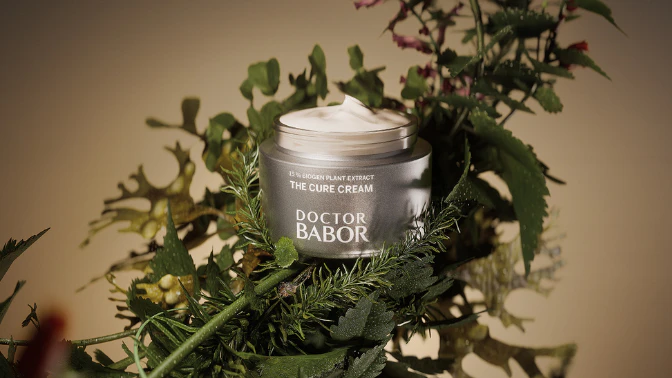
When it comes to the delicate eye area, my top recommendation is the DOCTOR BABOR Dual Eye Solution. This isn't just one cream; it's a smart day-and-night duo for targeted care around the clock. It’s specifically created for skin that needs a visible lift but is too sensitive for harsh ingredients. The product respects the eye contour, helping to firm the skin and reduce the appearance of fine lines. It’s a standout from the DOCTOR BABOR range, known for precision skincare that delivers professional-level results.
What Makes It So Effective, Yet So Gentle?
The secret to this eye cream’s success lies in its thoughtful design. The day cream has a smooth texture that absorbs quickly, creating a perfect base for makeup while visibly firming the upper lid. The night cream is richer, designed to deeply nourish and support skin rejuvenation while you sleep, helping to reduce the look of bags and puffiness by morning. Both are incredibly gentle and provide long-lasting moisture without feeling heavy or greasy. This dual approach ensures your skin gets exactly what it needs, day and night, without being overwhelmed.
The Science Behind the Precision Formula
The power of the Dual Eye Solution comes from its high-performance ingredients. It features a special tripeptide solution that helps improve skin’s firmness and elasticity. It also includes niacinamide and caffeine, which work together to strengthen the skin’s natural protective barrier and reduce the appearance of dark circles and puffiness. This combination of ingredients is what allows the cream to deliver a noticeable lifting effect. It’s a perfect example of how advanced science can create serums and creams that are both potent and perfectly suited for sensitive skin.
How Eye Creams Target Your Top Concerns
The skin around your eyes is incredibly delicate, which is why it’s often the first place to show signs of stress or aging. A well-formulated eye cream isn’t just a lighter moisturizer; it’s a concentrated treatment designed to address the specific challenges of this area. Whether you’re dealing with fine lines, morning puffiness, or persistent dark circles, the right ingredients can make a visible difference. Think of it as targeted support for your most expressive feature. By understanding how these powerful formulas work, you can choose a product that directly meets your skin’s needs and helps you put your best face forward, every day.
Smoothing Fine Lines and Crow's Feet
When you want to soften the appearance of crow's feet and fine lines, you need an eye cream that does more than just hydrate. The best formulas contain active ingredients that support skin elasticity and firmness. Peptides are fantastic for this, as they are the building blocks of proteins like collagen and elastin, which help the skin maintain its structure. These powerful ingredients work to make the skin around the eyes feel smoother and look firmer. You can find these advanced ingredients in high-performance skincare lines like DOCTOR BABOR, which focus on precision and visible results for a more youthful appearance.
Reducing Puffiness and Under-Eye Bags
Waking up with puffy eyes or under-eye bags can be frustrating, and it’s often caused by fluid retention. Eye creams designed to tackle puffiness typically include ingredients that help improve circulation and reduce swelling. Caffeine is a popular and effective choice because it helps constrict blood vessels, which can temporarily reduce the look of puffiness and make the eye area appear tighter and more awake. Consistent use, especially in the morning, can help you look more refreshed. These targeted treatments work alongside your daily moisturizers to give your eyes the extra attention they need.
Brightening Dark Circles
Dark circles can happen for a few reasons, including pigmentation and thinning skin that makes blood vessels more visible. To address this, eye creams often use brightening agents like Vitamin C and other antioxidants to help even out skin tone over time. These ingredients work to lessen the appearance of discoloration. Just as important is hydration. When the skin under your eyes loses volume, it can create a hollowed look that casts a shadow. Hydrating and plumping the skin is essential, which is why ingredients that draw in moisture are so valuable. For an intense hydration hit, many people turn to concentrated serums to restore a supple, bright look.
Gel or Cream: Which Texture Is Right for You?
Choosing between an eye gel and an eye cream can feel like a big decision, but it really comes down to your skin type and what you want from your product. Both textures can deliver powerful anti-wrinkle benefits, but they work and feel differently on the skin. Think of it this way: a gel is like a cool drink of water for your skin, while a cream is more like a rich, nourishing meal. Understanding the core differences will help you pick the perfect partner for your delicate eye area, ensuring you get the results you want without causing irritation.
The Difference Between Gels and Creams
The main distinction between gels and creams lies in their composition. Gels are typically water-based, making them lightweight and fast-absorbing. They leave behind a fresh, non-greasy finish that feels wonderful, especially in the morning or if you have oilier skin. Creams, on the other hand, have a higher concentration of oils and lipids. This gives them a richer, more emollient texture that provides deep, lasting hydration. Because of this structure, eye creams can often hold a greater concentration of active ingredients designed to target fine lines and wrinkles, making them a great choice for mature or very dry skin.
How to Choose Based on Your Skin's Needs
Your skin will often tell you what it prefers. If your skin is on the oily or combination side, or if you find that richer products feel too heavy, a gel is an excellent choice. If your skin is dry, dehydrated, or showing more advanced signs of aging, the nourishing texture of a cream will likely feel more comfortable and effective. Beyond texture, always check the ingredient list for what your skin needs. Powerful ingredients like peptides can improve firmness, while hyaluronic acid provides intense hydration. For sensitive skin, it's crucial to find a precision formula that delivers results without irritation.
How to Patch Test a New Eye Cream
Before you introduce a new product to the most delicate skin on your face, it’s smart to do a quick spot check. A patch test is your best friend when trying any new skincare, especially an eye cream. It’s a simple way to see how your skin will react to a new formula before you commit to applying it around your eyes. This little step gives you peace of mind and helps you build a routine your skin truly loves.
Your Simple 3-Step Patch Test Guide
Ready to get started? It only takes a minute to set up. Here’s how to perform a patch test correctly:
- Apply a Small Amount: Dab a tiny bit of the eye cream onto a discreet patch of skin. The area behind your ear or on your inner forearm works perfectly. These spots are sensitive enough to show a reaction but hidden enough that no one will notice.
- Leave the Area Undisturbed: For a product that’s meant to be left on, like an eye cream or serum, let it be. Avoid washing the spot so the product has enough time to fully interact with your skin.
- Monitor for 24-48 Hours: Patience is key here. Give your skin at least a full day, and up to two, to see if any reaction develops. Sometimes, sensitivity doesn't show up right away, so this window gives you a clear picture of how your skin feels about the new product.
Red Flags: What to Look For
During the waiting period, keep an eye on the test spot. Your skin is great at telling you what it doesn’t like. You’ll want to look for any signs of irritation, such as redness, swelling, itching, or a burning sensation. If you notice any of these, it’s a clear signal that this product isn’t the right match for you. It’s also important to start with a calm canvas. If your skin is already irritated from a sunburn or a reaction to something else, wait until it has fully recovered before you test anything new. This ensures the results you see are from the product itself.
The Gentle Way to Apply Your Eye Cream
How you apply your eye cream is just as important as which one you choose. The skin around your eyes is incredibly thin and delicate, so it requires a gentle touch to avoid unnecessary pulling or stretching. Using the right technique ensures you get all the benefits from your product without causing stress to the skin. It’s a simple change that makes a significant difference in protecting the integrity of this sensitive area.
Think of it as a mini-ritual. Taking a moment to apply your eye cream correctly not only helps the product absorb better but also turns a routine step into a moment of self-care. This mindful approach helps you get the most out of your skincare investment and supports the long-term health and appearance of your eye area.
The Right Technique for Delicate Skin
First, always use your ring finger. It naturally has the lightest touch, which is perfect for the fragile skin around your eyes. Squeeze a pea-sized amount of your eye cream onto your fingertip. Instead of rubbing or smearing, gently tap the product in small dots along the orbital bone, which is the bone that frames your eye socket. Start from the inner corner underneath your eye and move outward, then continue up along the brow bone.
This tapping motion stimulates circulation without tugging at the skin. Continue to gently tap until the cream is fully absorbed. Be careful to avoid getting the product too close to your lash line or directly in your eyes. This method ensures the powerful ingredients are delivered exactly where they’re needed.
When and How Often to Apply
Consistency is everything when it comes to seeing results from your eye cream. For the best outcome, make it a non-negotiable part of your morning and evening skincare routines. Applying it in the morning helps to hydrate and protect the skin throughout the day, creating a smooth canvas for any makeup you might wear. It can also help with puffiness you might notice when you first wake up.
At night, your skin goes into repair mode. Using an eye cream like the DOCTOR BABOR Dual Eye Solution before bed supports this natural restorative process, allowing the active ingredients to work uninterrupted while you sleep. This twice-a-day habit ensures the delicate skin around your eyes receives continuous nourishment and support.
When Will You See Results?
When you add a new product to your routine, especially one for a concern like wrinkles, it’s natural to want to see changes right away. While some benefits of an eye cream, like hydration, can be felt almost immediately, the most significant results take time and consistency. Think of it as a long-term investment in your skin’s health. The timeline for visible improvement depends on the product’s ingredients, your skin’s unique cycle, and how faithfully you apply it. Patience is a key part of any effective skincare practice, so give your eye cream the time it needs to work its magic.
A Realistic Timeline for Improvement
For long-term changes like smoother fine lines and firmer skin, you’ll need to be consistent. The best results come from applying your eye cream every morning and night. This regular application allows the active ingredients to support your skin’s natural processes, like collagen production, which is essential for maintaining plump, youthful-looking skin. While you may notice a softer, more hydrated feel within days, give it at least four to eight weeks to see a visible reduction in the appearance of wrinkles. Remember, you’re working with your skin’s renewal cycle, and good things take time.
How to Know Your Eye Cream Is Working
The skin around your eyes is incredibly thin, which means it’s one of the first places to show signs of damage, but it’s also a great indicator of whether a product is effective. The first positive sign is comfort. The area should feel hydrated and soothed, not tight or dry. You might also notice that your concealer applies more smoothly. Over a few weeks, you should see a plumper, more rested appearance and a softening of fine lines. Just as important is what you don’t see. A well-formulated eye cream for sensitive skin will not cause redness, stinging, or bumps. If your skin feels calm and looks progressively smoother, you’re on the right track.
Common Eye Cream Myths, Busted
When it comes to eye creams, there’s a lot of advice floating around. It can be tough to separate fact from fiction, especially when you’re trying to care for sensitive skin. Let’s clear up a couple of the most common myths so you can choose your eye cream with confidence and give your skin exactly what it needs.
Myth: Stronger Is Always Better
It’s easy to assume that a more potent, high-strength formula will deliver faster, more dramatic results. But for the delicate eye area, more isn’t always more. The skin around your eyes is incredibly thin and sensitive, and overloading it with strong active ingredients can backfire, leading to redness and irritation that can actually make fine lines appear more prominent. The goal isn't to find the strongest product, but the smartest one. You need a formula with an effective concentration of ingredients specifically designed for the eye area, delivering visible results without compromising the skin barrier. This is where precision skincare truly shines.
Myth: "Natural" Always Means Gentle
The word "natural" sounds reassuring, but it’s not a guarantee of gentleness. Many botanical ingredients, like certain essential oils and plant extracts, can be surprisingly irritating, especially on sensitive skin. When the skin barrier is already compromised, these ingredients can trigger a reaction. What matters most is the science behind the product. A well-formulated eye cream, whether it contains natural-origin ingredients or lab-created actives, has been expertly balanced and tested for safety and efficacy. Instead of focusing only on the ingredient source, look for dermatologist-tested products that are formulated without common irritants like artificial fragrances.
When to Break Up With Your Eye Cream
Even with the most promising products, sometimes a relationship just doesn’t work out. The same is true for your skincare. If your eye cream isn’t delivering the results you hoped for, or worse, is causing discomfort, it’s time to reassess. The skin around your eyes is incredibly delicate and has unique needs, so finding the right match is key. Paying attention to how your skin responds is the best way to know if you’ve found “the one” or if it’s time to move on.
Listen to Your Skin: Signs of Irritation
Your skin is excellent at telling you when something is wrong. If you notice redness, stinging, itching, or persistent dryness after applying an eye cream, those are clear signals to stop using it. Some ingredients, like artificial fragrances or certain essential oils, can disrupt the skin barrier and trigger a reaction. Even powerful actives like retinoids or exfoliating acids can be too much for the eye area if the product isn't specifically created for that delicate skin. Our DOCTOR BABOR line, for example, is developed with precision formulas to deliver results without causing sensitivity. Listen to your skin; it knows best.
When It's Time to Find a New Match
If your current eye cream isn't causing obvious irritation but you’re still not seeing any improvement after consistent use, it might just not be the right product for your concerns. The skin around the eyes is much thinner than on the rest of your face, making it more prone to sensitivity. Using too many strong active ingredients at once can sometimes backfire, making fine lines look more pronounced. If your skin is already compromised from sun exposure or a reaction, give it time to calm down before introducing anything new. When you’re ready, you can explore other skincare options to find a better fit for your goals.
Related Articles
Frequently Asked Questions
Can I just use my regular face moisturizer around my eyes? It’s a common question, but I generally advise against it. The skin around your eyes is significantly thinner and more delicate than the rest of your face, so it needs a specially designed product. Face moisturizers can sometimes be too heavy or contain active ingredients at concentrations that are too strong for the eye area, which can lead to irritation or even those tiny white bumps called milia. Eye creams are formulated to be gentle yet effective for this specific zone and are ophthalmologist-tested for safety.
How do I layer eye cream with my other skincare, like serums and moisturizers? The best rule of thumb is to apply your products from the thinnest to the thickest consistency. After cleansing, you would apply any toners or essences, followed by your face serum. This is the perfect time to gently tap in your eye cream. By applying it before your moisturizer, you ensure that its concentrated ingredients can absorb directly into the delicate skin without being diluted. Finish with your moisturizer, being careful to apply it around the area where your eye cream was placed.
The DOCTOR BABOR product has a day and night cream. Do I really need both? Using both parts of a dual system like this one provides targeted care around the clock. The day cream is typically lighter in texture, designed to absorb quickly, create a smooth base for makeup, and protect your skin throughout the day. The night cream is richer and focuses on repair and rejuvenation, working with your skin’s natural restorative cycle while you sleep to address concerns like puffiness and fine lines. It’s a comprehensive approach that ensures your skin gets exactly what it needs, when it needs it.
My eyes get puffy in the morning. Should I apply eye cream differently? Yes, your application technique can make a real difference for puffiness. When you apply your eye cream, use your ring finger to gently tap the product along the orbital bone. To specifically address puffiness, focus the tapping motion from the inner corner of your eye outward. This gentle pressure can help encourage lymphatic drainage and reduce the fluid retention that causes that puffy look. Consistency is key, so making this part of your morning routine can help you look more refreshed.
I've tried eye creams before and they gave me little white bumps under my eyes. How can I avoid that? Those little bumps, known as milia, often appear when a product is too rich or heavy for the skin and clogs the pores. To avoid them, make sure you are using only a very small amount of product, about the size of a grain of rice for both eyes is plenty. Also, consider the texture. If you are prone to milia, a lightweight cream or a gel formula might be a better fit for you than a very heavy, occlusive cream. Proper application, using a gentle tapping motion instead of rubbing, also ensures the product absorbs well without sitting on the surface of the skin.