Skincare terms like "microbiome" and "prebiotics" can sound complex, but the concept behind them is quite simple. Think of your skin as a garden; for it to flourish, the soil needs to be healthy and full of beneficial organisms. Prebiotics are the fertilizer for your skin’s garden. They nourish the good bacteria that form a protective shield on your skin’s surface, helping to keep it balanced and strong. When your microbiome is healthy, your skin is better equipped to stay hydrated, calm, and resilient. This guide will demystify the topic and give you the confidence to select the best prebiotic moisturizer for face.
Key Takeaways
- Go beyond basic hydration: Prebiotic moisturizers nourish your skin's beneficial bacteria, which strengthens its natural barrier. This process improves moisture retention and builds long-term resilience, unlike traditional creams that only provide surface-level hydration.
- Check the label for key ingredients: To find an effective product, look for proven prebiotics like beta-glucan, inulin, and chicory root. Just as importantly, match the formula's texture (like a gel or cream) to your specific skin type for the best results.
- A targeted solution for troubled skin: While beneficial for everyone, prebiotics are especially helpful for sensitive, acne-prone, or compromised skin. They work to restore balance and calm irritation, creating a stronger and more stable complexion.
What Is a Prebiotic Moisturizer?
You can think of a prebiotic moisturizer as a specialized meal for the good bacteria living on your skin. These beneficial microbes are part of your skin’s unique ecosystem, known as the skin microbiome, which acts as a protective shield. Unlike traditional creams that simply add hydration, prebiotic formulas are designed to nourish and support this delicate environment. By feeding the helpful bacteria, these moisturizers help maintain a healthy balance, which is fundamental to your skin’s overall resilience and appearance. It’s a strategic way to work with your skin, reinforcing its natural defenses for long-term health.
How Prebiotics Support Your Skin's Microbiome
Prebiotics function by providing the essential nutrients that your skin's beneficial bacteria need to thrive. When these good microbes are well-fed, they can effectively crowd out the harmful bacteria that may lead to irritation, redness, and breakouts. This process strengthens your skin's microbiome, turning it into a more robust and effective barrier. A strong microbiome is better equipped to protect you from environmental stressors, lock in moisture, and keep your complexion looking calm and even. It’s a simple yet powerful way to ensure your skin’s defensive ecosystem is functioning at its best.
The Benefits of Prebiotic Skincare
Incorporating a prebiotic moisturizer into your daily routine offers a range of visible benefits that go beyond simple hydration. With a balanced microbiome, you can expect a stronger skin barrier, which translates to less sensitivity and better moisture retention. This helps your skin feel more hydrated, look plumper, and resist environmental damage more effectively. Furthermore, because prebiotics help calm the skin, they can reduce signs of inflammation and even help manage acne. It’s an excellent approach for anyone looking to achieve a truly healthy and resilient complexion.
Key Prebiotic Ingredients to Look For
When you're looking for a great prebiotic moisturizer, the ingredient list is your best guide. Not all prebiotics are created equal, and certain ingredients have been studied more extensively for their ability to support a balanced skin microbiome. Understanding what to look for helps you choose a product that truly nurtures your skin’s delicate ecosystem. These powerful ingredients act as a targeted food source for the good bacteria on your skin, helping them thrive and keep your complexion calm, strong, and resilient. Here are a few of the most effective prebiotic ingredients to have on your radar.
Beta-Glucan and Oat
You might recognize oats as a classic soothing ingredient, and for good reason. At the heart of their calming power is beta-glucan, a soluble fiber that acts as a potent prebiotic. When applied to the skin, beta-glucan provides nourishment for your skin’s beneficial bacteria, helping to fortify its natural defense system. It’s also an incredible humectant, drawing moisture into the skin to keep it hydrated and plump. This dual action of microbiome support and intense hydration makes beta-glucan an excellent ingredient for reducing redness and strengthening a compromised skin barrier. It helps create an environment where your skin can function at its best.
Chicory Root and Inulin
Chicory root is another powerhouse in the world of prebiotics, primarily because it’s a rich source of inulin. Inulin is a type of carbohydrate that selectively feeds the good bacteria on your skin, helping to rebalance its microflora. By encouraging beneficial microorganisms to flourish, inulin helps crowd out the less desirable ones that can lead to sensitivity and breakouts. This process strengthens your skin’s protective barrier, making it less susceptible to environmental stressors. Think of it as a personal trainer for your microbiome, ensuring the helpful bacteria have the fuel they need to keep your skin’s ecosystem in optimal condition.
Oligosaccharides and Ferments
Oligosaccharides are complex plant sugars that serve as a prime food source for your skin’s native flora. These molecules help maintain a diverse and healthy microbiome, which is essential for overall skin health. Often paired with these are ferments, which are created through the metabolic process of beneficial microorganisms. Ingredients like lactobacillus ferment can introduce skin-friendly postbiotics (the helpful byproducts of probiotics) that further support a balanced complexion. Together, prebiotics and ferments work in synergy to reinforce the skin’s barrier, improve hydration, and promote a smooth, even-toned appearance, making them sophisticated additions to any high-performance skincare product.
The Best Prebiotic Moisturizers for Your Face
When you’re ready to add a prebiotic moisturizer to your routine, the number of options can feel a bit dizzying. The goal isn’t just to find a cream that hydrates; it’s about finding one that actively supports your skin’s unique microbiome, helping it stay balanced and resilient. A truly great prebiotic moisturizer does more than just sit on the surface. It contains a thoughtful blend of ingredients that feed the good bacteria on your skin, strengthening your natural defenses against environmental stressors. This means looking for formulas that pair powerful prebiotics with proven hydrators and soothing compounds.
To make your search easier, I’ve put together a list of some of the best prebiotic moisturizers available. Each one brings something special to the table, from professional-grade repair to gentle, everyday hydration. Whether your skin is sensitive, mature, or simply in need of a reset, there’s a product here that can help you achieve a healthier, more radiant complexion. Think of this as your curated guide to finding the perfect partner for your skin. We’ll look at what makes each one stand out so you can make a choice that feels right for your specific skincare needs and goals. These moisturizers are designed to work with your skin, not just on it.
DOCTOR BABOR THE CURE CREAM
For those seeking a truly high-performance treatment, the DOCTOR BABOR The Cure Cream is in a class of its own. This cream is part of a line developed for intensive skin regeneration and repair. While it’s celebrated for its ability to support the skin’s own rejuvenation processes, its focus on creating an optimal environment for cellular health aligns perfectly with the principles of microbiome care. The proprietary Biogen Plant Extract is at the heart of this formula, delivering powerful, targeted action. It’s an ideal choice for skin that needs extra support, helping to restore strength and vitality. This is more than a moisturizer; it’s a sophisticated treatment from the DOCTOR BABOR collection designed to bring your skin back to its best.
La Roche-Posay Toleriane Double Repair Face Moisturizer
This moisturizer is a fantastic daily option, especially for those with sensitive skin. Its power lies in a carefully balanced formula containing prebiotic thermal water, ceramides, and niacinamide. Together, these ingredients work to restore the skin's natural barrier and maintain a healthy microbiome. The lightweight, oil-free texture absorbs quickly without leaving a greasy feel, providing long-lasting hydration. It’s a straightforward yet highly effective choice for anyone looking to calm their skin and replenish essential moisture. Think of it as a reliable foundation piece in your routine, working quietly behind the scenes to keep your skin balanced and comfortable. You can easily layer potent serums underneath for targeted results.
Aveeno Calm + Restore Oat Gel Moisturizer
Harnessing the well-known soothing properties of oats, this gel moisturizer is a gentle giant. Oats are a fantastic prebiotic ingredient, providing the nourishment your skin's microbiome needs to thrive. This lightweight formula is designed to calm and hydrate irritated or sensitive skin instantly. Research has shown it can significantly improve the skin’s pH and barrier function while delivering an impressive surge of moisture. Its refreshing gel texture feels wonderful on the skin and is a great choice for those who prefer a non-creamy finish. Before applying, make sure your skin is perfectly prepped with one of BABOR's gentle cleansers to ensure maximum absorption and benefits.
Saturday Skin Pretty Pop Prebiotics & Probiotics Whipped Cream
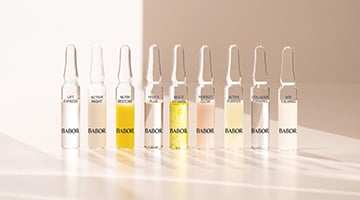
If you love a lightweight, cloud-like texture, this whipped cream moisturizer is a delight to use. It’s packed with a blend of prebiotics and probiotics to support a balanced skin microbiome. The formula also includes niacinamide and a variety of fruit extracts that help brighten and refine your complexion. It’s particularly well-suited for sensitive skin, absorbing beautifully to leave behind a soft, dewy finish without any heaviness. This moisturizer is perfect for achieving that healthy, hydrated glow. For an extra dose of radiance, you can pair it with one of BABOR's iconic Ampoule Concentrates, which deliver a potent dose of active ingredients for visible results.
ITK Prebiotic Gel Moisturizer
This oil-free gel moisturizer is another excellent option for those with sensitive or combination skin. Its formula features a blend of prebiotics, including inulin, which helps to feed the good bacteria on your skin. It also contains niacinamide to help with tone and texture, along with squalane for lightweight hydration that won't clog pores. The gel consistency feels cool and refreshing upon application, sinking in quickly to leave skin feeling soft and balanced. It’s a simple, effective hydrator that focuses on supporting your skin’s natural ecosystem. If you're looking for other proven favorites, you can explore more high-performance skincare among BABOR's Best Sellers.
Prebiotic vs. Traditional Moisturizers
When you think of a moisturizer, you probably picture a cream that adds a layer of hydration to your skin. That’s the primary job of a traditional moisturizer. It uses ingredients like humectants to draw water into the skin and occlusives to seal it in, providing immediate relief from dryness and tightness. This approach is effective for surface-level hydration, but it doesn’t address the underlying health of your skin’s ecosystem.
Prebiotic moisturizers, on the other hand, work on a deeper level. Instead of just adding moisture, they support your skin’s ability to hydrate and protect itself. They do this by nourishing the community of good bacteria that naturally lives on your skin’s surface, known as the microbiome. By feeding these beneficial microbes, prebiotic skincare helps create a balanced environment where your skin can function at its best. It’s a shift from temporarily fixing dryness to building a foundation for long-term skin resilience and health.
Microbiome Support vs. Basic Hydration
The biggest difference between these two types of moisturizers is their approach to your skin’s microbiome. A traditional moisturizer often works without considering this delicate ecosystem. Its goal is simple: deliver moisture directly to the skin cells.
A prebiotic moisturizer has a more strategic mission. It delivers ingredients that act as a food source for the good bacteria on your skin. Think of it as nurturing a garden; when you provide the right nutrients, the helpful organisms flourish. A healthy and balanced skin microbiome strengthens your skin’s natural barrier, helping it lock in moisture more effectively and defend itself against environmental stressors. This creates a self-sufficient system for hydration rather than relying solely on external sources.
Long-Term Skin Health vs. Short-Term Relief
A traditional moisturizer is excellent for providing immediate, short-term relief. When your skin feels dry, applying it makes it feel soft and comfortable right away. While this is a great temporary fix, it mainly addresses the symptom of dryness.
Prebiotic moisturizers are designed for long-term skin health. By reinforcing your skin's microbiome, they help improve its core functions over time. This leads to a stronger skin barrier that is better at retaining water and less prone to irritation and sensitivity. The result is skin that isn’t just hydrated on the surface but is genuinely healthier, more balanced, and more resilient from within. It’s a proactive approach that yields lasting benefits beyond simple moisturization.
Which Skin Types Benefit Most from Prebiotics?
While every skin type can gain something from a balanced microbiome, some see more dramatic and immediate improvements with prebiotic skincare. Think of prebiotics as the support system your skin has been waiting for. They don't just add temporary moisture; they help your skin rebuild its natural defenses from the inside out. If you struggle with persistent sensitivity, breakouts, or a weakened skin barrier, incorporating prebiotics can be a game-changer. By feeding the good bacteria that live on your skin, you create an environment where your complexion can truly thrive, becoming more resilient and calm over time. This targeted approach helps address the root causes of many common skin concerns, leading to lasting health and balance.
Sensitive and Reactive Skin
If your skin frequently feels tight, itchy, or appears red, prebiotics can bring a welcome sense of relief. Sensitive skin often has a compromised microbiome, meaning its natural defense system is weakened. Prebiotics work by nourishing the beneficial bacteria on your skin’s surface, helping them flourish. This process strengthens your skin's protective barrier, making it less susceptible to environmental irritants and allergens. A stronger barrier is also better at retaining moisture, which reduces dryness and discomfort. By restoring balance, prebiotic moisturizers help your skin become less reactive and more resilient, so it feels consistently calm and comfortable.
Acne-Prone and Combination Skin
For those dealing with breakouts and fluctuating oiliness, prebiotics can help restore harmony. Acne is often linked to an overgrowth of certain types of bacteria on the skin. Instead of stripping the skin with harsh treatments, prebiotics offer a gentler approach. They feed the good bacteria, allowing them to crowd out the blemish-causing ones and rebalance the skin's ecosystem. This can lead to fewer breakouts and reduced inflammation. For combination skin, prebiotics help regulate the microbiome across different zones of your face, supporting hydration in dry areas without adding excess oil to others. It’s a smart way to work with your skin, not against it.
Mature or Compromised Skin
Mature skin or skin with a compromised barrier from over-exfoliation or environmental stress benefits immensely from prebiotics. As we age, the skin's ability to repair itself slows down, and the barrier can become weaker. Prebiotics support a stronger, healthier barrier, which is crucial for defending against damage and locking in hydration. Studies have shown that prebiotic skincare can significantly improve skin pH and barrier function, leading to a dramatic increase in moisture. This helps reduce visible signs of aging and sensitivity, restoring a supple, healthy appearance. The advanced formulas in the DOCTOR BABOR collection are excellent for supporting compromised skin.
What Results Can You Expect?
When you add a prebiotic moisturizer to your routine, you’re essentially feeding the good bacteria on your skin. This helps rebalance your skin’s microbiome, which is the key to a healthy, resilient complexion. A balanced microbiome leads to a stronger skin barrier, which is your first line of defense against environmental stressors. Think of it as reinforcing your skin’s natural shield.
With consistent use, you can expect to see several positive changes. Your skin will likely feel more hydrated and retain moisture better throughout the day. If you struggle with redness or irritation, prebiotics can help calm inflammation, leading to a more even skin tone. Some people even find that supporting their skin’s ecosystem helps reduce breakouts. The ultimate goal is to create an environment where your skin can function at its best, appearing smoother, calmer, and healthier overall. For targeted, high-performance skincare that supports these goals, exploring a line like DOCTOR BABOR can provide the precision your routine needs.
When Will You See Improvements?
Patience and consistency are your best friends when it comes to skincare. While some people might notice improved hydration almost immediately, more significant changes take time. Your skin needs a chance to adapt and rebuild its microbiome. Generally, you should commit to using a new prebiotic moisturizer for at least a few weeks to see a real difference. For example, one study on a similar microbiome-supporting cream found a noticeable decrease in flare-ups among participants over a 12-week period. Stick with it, and you’ll give your skin the time it needs to show positive results.
Common Myths About Prebiotic Skincare
Let’s clear up a few common misconceptions about prebiotic skincare. First is the idea that prebiotics are a cure-all for every skin issue. While they are incredibly beneficial, they work best as part of a comprehensive routine. The reality is that probiotics work best when supported by prebiotics, and both are part of a bigger picture. Another myth is that all prebiotic products are created equal. The effectiveness of a product depends heavily on its complete ingredient list and the quality of its science. Finally, remember that no moisturizer can replace a healthy lifestyle. Great skin starts from within, supported by a balanced diet, regular exercise, and proper sleep.
How to Choose the Right Prebiotic Moisturizer
Finding the perfect prebiotic moisturizer can feel like a big task, but it doesn't have to be complicated. With so many options available, the key is to know what to look for so you can select a product that truly supports your skin. By focusing on a few key areas, you can confidently choose a moisturizer that not only hydrates but also helps balance your skin’s delicate microbiome for long-term health.
Think of it as a simple, three-step process: start by looking at the ingredients, consider your unique skin needs, and be aware of a few common misunderstandings about prebiotic skincare. This approach will help you find a product that works in harmony with your skin.
Read the Ingredient List
The first place to turn when choosing any skincare product is the ingredient list. For a prebiotic moisturizer to be effective, it needs to contain ingredients that actually feed the good bacteria on your skin. Look for specific names like beta-glucan, oat kernel flour, chicory root extract, and inulin. These are all excellent prebiotic sources that help nourish your skin’s microbiome.
Other beneficial ingredients include oligosaccharides, which are plant sugars that support a healthy skin environment, and various ferments. Seeing these names on the label is a great sign that the product is designed to do more than just hydrate; it’s formulated to actively improve your skin’s resilience and balance.
Match the Formula to Your Skin's Needs
Prebiotic ingredients are important, but the texture and base of the moisturizer matter just as much. Using a product that is tailored to your skin type is essential for getting the best results. If you have oily or combination skin, a lightweight gel or lotion will provide hydration without feeling heavy or clogging pores. For those with dry or mature skin, a richer, thicker cream will deliver the intense moisture needed to keep your skin feeling comfortable and plump.
The goal is to find a balance. You want a moisturizer that gives your skin the right amount of hydration while the prebiotics get to work supporting your microbiome. Don’t just focus on the active ingredients; make sure the overall product feels great on your skin.
Avoid These Common Mistakes
It’s easy to get confused by skincare trends, so let’s clear up a couple of things. A frequent mistake is thinking that probiotic skincare alone is the answer to skin concerns. In reality, probiotics (the live bacteria) need prebiotics (their food) to thrive. This is why a balanced approach to skincare that includes prebiotics is so important for a healthy microbiome.
Another pitfall is assuming all prebiotic moisturizers are created equal. The quality and concentration of ingredients can vary widely from one product to another. A well-designed product from a trusted brand will deliver better, more reliable results than one that simply includes a small amount of a prebiotic ingredient for marketing purposes. Always choose products from brands that prioritize science and efficacy.
Are There Any Potential Side Effects?
Prebiotic skincare is generally very well-tolerated, making it a fantastic addition to most routines. The main goal of prebiotics is to support your skin’s natural balance, not strip it away. In fact, issues like redness and dryness often arise when harsh cleansers remove good bacteria from your skin’s surface, disrupting its delicate microbiome. Prebiotics work to counteract this by feeding the beneficial microbes that keep your skin healthy and resilient.
Because prebiotics are essentially "food" for your skin's existing good bacteria, they don't typically introduce foreign elements that could cause a reaction. Instead, they strengthen your skin's own defenses. However, as with any new skincare product, your individual experience depends on your skin's unique sensitivities and the product's complete ingredient list. While true adverse reactions to prebiotics are rare, it's always wise to be mindful when introducing a new product into your regimen. Understanding who benefits most and how to properly test a new moisturizer will set you up for success.
Who Should Use Prebiotics with Caution
While just about anyone can see improvements from prebiotics, they are particularly effective for those with specific skin concerns. If you have a compromised skin barrier or deal with inflammatory conditions like eczema or acne, prebiotic skincare can be a game-changer. By reinforcing your skin's natural defenses, prebiotics help create a stronger, more hydrated, and calmer complexion. They also offer protection from environmental stressors that can worsen sensitivity. So, rather than a point of caution, think of it as a targeted solution for skin that needs extra support to find its equilibrium.
Why You Should Always Patch Test
Even with the gentlest products, patch testing is a non-negotiable step. It’s the simplest way to ensure a new moisturizer is a good match for your skin before you apply it all over your face. To patch test, apply a small amount of the product to a discreet area of skin, like behind your ear or on your inner arm. Wait 24 to 48 hours and watch for any signs of redness, itching, or irritation. If your skin looks and feels perfectly fine, you can feel confident about incorporating the product into your daily routine. This small step saves you from potential widespread irritation later on.
Pairing Prebiotics with Probiotics
For the best results, think of prebiotics and probiotics as a team. One common myth is that probiotics alone can fix your skin concerns, but the reality is that probiotics work best when they have the right fuel. Prebiotics are that fuel. They nourish the good bacteria (probiotics), helping them thrive and keep your skin’s microbiome in a state of harmony. Many advanced moisturizers, like our DOCTOR BABOR The Cure Cream, are formulated with ingredients that support this symbiotic relationship, giving your skin a comprehensive approach to health and balance.
Frequently Asked Questions
What's the real difference between prebiotics and probiotics in skincare? Think of it like a garden. Probiotics are the beneficial bacteria themselves, like the "good seeds." Prebiotics, on the other hand, are the specialized food or "fertilizer" that helps those good seeds grow and flourish. Prebiotic skincare focuses on nourishing the helpful bacteria that already live on your skin, creating a healthy and balanced environment.
Can I use a prebiotic moisturizer every single day? Absolutely. In fact, you'll see the best results with consistent, daily use. Applying a prebiotic moisturizer every day provides a steady source of nourishment for your skin's microbiome. This helps to continuously strengthen its natural defenses, making your skin more resilient and balanced over time.
Will prebiotics actually help with my acne or breakouts? They can be a fantastic tool for managing breakouts. Acne is often connected to an imbalance of bacteria on the skin's surface. Prebiotics work by feeding the good bacteria, which helps them outnumber and crowd out the blemish-causing microbes. This restores harmony to your skin's ecosystem, often leading to fewer breakouts and less inflammation.
How long will it take to see results from a prebiotic moisturizer? You'll probably notice that your skin feels more hydrated right away, but the deeper, balancing benefits take time to appear. Your skin's microbiome needs a chance to rebuild and strengthen. Most people begin to see a real difference in their skin's calmness and resilience after about four to six weeks of consistent use.
Can I use prebiotic skincare with active ingredients like retinol or vitamin C? Yes, and it's a very smart pairing. Potent active ingredients can sometimes cause irritation or sensitivity. A prebiotic moisturizer helps fortify your skin's barrier, making it stronger and better equipped to handle powerful treatments. It keeps your skin calm and supported while your other active products get to work.