Think of your skin like a well-built wall. The skin cells are the bricks, and the lipids, like ceramides, are the mortar holding everything together. Linoleic acid is a critical ingredient your body needs to create that mortar. Without enough of it, your skin’s barrier can develop tiny cracks, leading to moisture loss, irritation, and sensitivity. Since your body can’t synthesize this essential fatty acid, you have to supply it through your diet or, more directly, your skincare. By choosing well-formulated linoleic acid skincare products, you are giving your skin the exact raw materials it needs to repair itself, stay hydrated, and remain strong against daily challenges.
Key Takeaways
Strengthen your skin's foundation with topical application: Your body can't make linoleic acid, so using skincare with this ingredient is the best way to supply your skin with the building blocks it needs for a strong, hydrated moisture barrier.
Address multiple skin concerns with one ingredient: Linoleic acid is a versatile problem-solver that helps balance oily skin to reduce breakouts, calms irritation and redness, and works to fade the appearance of dark spots.
Easily integrate it into your existing routine: You can find linoleic acid in cleansers, serums, and moisturizers, making it simple to use daily. It also works well with other ingredients, like retinol, to support your skin and minimize potential sensitivity.
What is Linoleic Acid and Why Does Your Skin Need It?
If you’ve ever wondered what gives healthy skin its smooth, resilient quality, the answer often lies in its essential building blocks. One of the most important is linoleic acid, an omega-6 essential fatty acid that is sometimes referred to as Vitamin F. Think of it as a foundational nutrient for your complexion. Its primary job is to help your skin retain moisture and maintain a strong, healthy barrier. This barrier is your first line of defense against environmental stressors, so keeping it in top shape is key.
What makes linoleic acid so crucial is that our bodies cannot produce it on their own. We have to get it from outside sources, like our diet or, more directly, our skincare. When applied topically, this powerhouse ingredient gets straight to work, delivering benefits that are visible and tangible. It integrates seamlessly into the skin’s natural structure, helping to keep everything functioning exactly as it should. It's not just about adding temporary moisture; it's about teaching your skin to hold onto its own hydration more effectively. For anyone looking to achieve balanced, hydrated, and calm skin, incorporating linoleic acid into your routine is a non-negotiable step toward long-term skin health and radiance.
How This Essential Fatty Acid Works
Linoleic acid works by supporting the production of your skin’s natural lipids, particularly ceramides. If you imagine your skin cells as bricks, ceramides are the mortar that holds them all together, creating a strong and cohesive barrier. This barrier is your skin’s first line of defense against environmental stressors like pollution and bacteria, and it’s also responsible for locking in moisture. By helping your skin create more of this vital mortar, linoleic acid directly fortifies its outermost layer. This process ensures your skin stays hydrated from within, feels supple, and looks visibly healthier.
What Happens When Your Skin Lacks It?
When your skin doesn’t have enough linoleic acid, the effects can become quite noticeable. Research shows that acne-prone skin often has lower levels of this essential fatty acid. This deficiency can lead to a decrease in ceramide production, which in turn weakens the skin barrier. A compromised barrier can’t effectively hold onto moisture or protect itself from irritants, often resulting in dryness, flakiness, and increased sensitivity. It can also cause your skin’s natural oils to become thick and sticky, which may contribute to clogged pores and breakouts. Replenishing linoleic acid helps restore balance and address these concerns at their source.
How Linoleic Acid Strengthens Your Skin Barrier
Linoleic acid is a fundamental component of your skin’s cell wall structure, making it essential for barrier integrity. Since your body can’t synthesize it, applying products with linoleic acid is like giving your skin the exact raw materials it needs to repair and strengthen itself. When you incorporate it into your routine, you are directly nourishing the skin barrier. This helps seal in hydration, prevent water loss, and keep external irritants out. Over time, this reinforcement leads to skin that is not only more resilient and less reactive but also feels smoother and looks more radiant. It’s a proactive way to maintain your skin’s long-term health.
What Skin Concerns Can Linoleic Acid Address?
Think of linoleic acid as one of the hardest-working ingredients in your skincare routine. Because it’s an essential building block for a healthy skin barrier, its benefits are wide-ranging, touching on nearly every common skin concern. Whether you’re dealing with breakouts, dryness, sensitivity, or the early signs of aging, incorporating this fatty acid can make a noticeable difference. It works by strengthening your skin from within, helping it function at its best.
When your skin has a sufficient supply of linoleic acid, it’s better equipped to retain moisture, calm irritation, and maintain a smooth, even texture. This is because linoleic acid is integral to producing ceramides, the lipids that hold your skin cells together and keep your barrier strong. A well-functioning barrier is the foundation of healthy skin, protecting you from environmental stressors while locking in hydration. From managing oil production to fading discoloration, linoleic acid offers a comprehensive approach to achieving a balanced, radiant complexion. Let’s look at the specific ways it can transform your skin.
Manage Breakouts and Regulate Oil
If you have oily or acne-prone skin, linoleic acid can be a game-changer. Research suggests that people prone to breakouts often have lower concentrations of linoleic acid in their sebum (your skin’s natural oil). This deficiency can make sebum thick, sticky, and more likely to clog pores, leading to blemishes. By reintroducing linoleic acid topically, you can help restore balance. It helps thin out the sebum, allowing it to flow more freely from your pores instead of causing congestion. This simple adjustment can lead to fewer breakouts and a less oily appearance over time.
Repair and Hydrate Your Skin Barrier
A strong skin barrier is your first line of defense against dryness and irritation. Linoleic acid plays a vital role here because it’s a precursor to ceramides, the essential fats that bind your skin cells together like mortar. When your ceramide levels are optimal, your barrier can effectively prevent water loss and shield your skin from external aggressors. Using products with linoleic acid helps replenish these crucial lipids, reinforcing your barrier’s structure. The result is skin that feels more hydrated, resilient, and comfortable, with a noticeable reduction in flakiness and tightness. Explore our collection of moisturizers to find the perfect fit for your skin.
Soothe Redness and Irritation
If your skin is easily sensitized or reactive, linoleic acid’s calming properties can offer significant relief. As a powerful anti-inflammatory agent, it helps soothe the skin and reduce visible signs of irritation, like redness and discomfort. This makes it an excellent ingredient to pair with potent actives, such as retinoids or exfoliating acids, which can sometimes cause temporary sensitivity. By helping to fortify the skin barrier and quiet inflammatory responses, linoleic acid promotes a more stable and even-toned complexion. It’s a gentle yet effective way to keep your skin feeling calm and looking its best.
Fade Dark Spots and Hyperpigmentation
Dealing with uneven skin tone or lingering dark spots from sun exposure? Linoleic acid can help brighten your complexion. It works by inhibiting the overproduction of melanin, the pigment responsible for dark spots. At the same time, it encourages surface skin cells to shed more quickly, helping existing spots fade faster. This dual-action approach leads to a more uniform and luminous skin tone. For targeted treatment, consider adding one of our potent serums to your daily routine to address discoloration and reveal brighter skin.
Smooth Fine Lines and Improve Texture
Linoleic acid also offers impressive benefits for maturing skin. It supports the skin’s natural regenerative processes, which can help improve elasticity and firmness for a more youthful appearance. By encouraging healthy cell turnover, it helps to refine the skin’s surface, making it feel softer and look smoother. This exfoliating effect can also diminish the appearance of fine lines over time. Integrating linoleic acid into your routine is a great way to maintain a plump, smooth texture and support your skin’s long-term health.
Which Linoleic Acid Skincare Products Deliver the Best Results?
Now that you know what linoleic acid can do, let's talk about how to get it into your routine. This powerful fatty acid is found in a variety of skincare products, from potent serums to daily moisturizers. The key is finding the right product type for your skin concerns and ensuring it’s a high-quality product that will actually deliver results. Here’s a breakdown of the most effective options and what to look for.
Experience Professional-Grade Results with BABOR
At BABOR, we harness the power of precision skincare to deliver visible results. Linoleic acid is a key ingredient in our advanced skincare because it stimulates cellular regeneration, enhances skin elasticity, and supports collagen production. Our approach ensures you’re not just getting one ingredient, but a complete, high-performance solution for your skin. For example, our DOCTOR BABOR line features expertly crafted products that pair linoleic acid with other powerful actives like hyaluronic acid. This combination provides deep hydration and helps the skin feel exceptionally soft and smooth, addressing multiple concerns at once for truly professional-grade care at home.
Target Concerns with Potent Serums and Oils
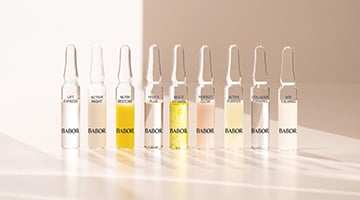
If you want to address specific skin concerns, serums and oils are your best bet. These products contain concentrated amounts of active ingredients that penetrate deeply into the skin. A serum rich in linoleic acid can work wonders on a compromised skin barrier, helping it retain moisture and prevent dryness. Our signature Ampoule Serum Concentrates are perfect examples of this, delivering a precise, potent dose of ingredients exactly where your skin needs it most. Using a targeted serum is one of the most direct ways to nourish your skin with this essential fatty acid.
Nourish Daily with Moisturizers and Barrier Creams
For consistent, daily support, look for linoleic acid in your moisturizer. Since it can be used twice a day, incorporating it into your morning and evening cream is an easy way to maintain a healthy skin barrier. A great moisturizer does more than just hydrate; it seals in all the beneficial ingredients from your previous steps and protects your skin from external stressors. When your moisturizer contains linoleic acid, it continuously nourishes your skin throughout the day or night, reinforcing its natural defenses and keeping it supple and resilient.
Start Fresh with Gentle Treatment Cleansers
Your skincare routine starts with cleansing, and the right product can make all the difference. While you might not think of a cleanser as a treatment product, some are designed with beneficial ingredients to support your skin from step one. Using one of our gentle cleansers that includes linoleic acid helps ensure your skin’s natural oils aren’t stripped away. Instead of feeling tight and dry after washing, your skin feels balanced and soft. This sets the perfect foundation for the rest of your routine, allowing your serums and moisturizers to work even more effectively.
How to Choose a High-Quality Product
When you're shopping for skincare, the ingredient list is your best friend. To make sure you’re getting an effective amount of linoleic acid, check its placement. If it’s listed as one of the first few ingredients, you know the product contains a meaningful concentration. Remember, your body can’t make this essential fatty acid on its own, so relying on well-made skincare is key. Choosing products from a brand rooted in science and research ensures you’re investing in quality. Our best-selling skincare is trusted by professionals because it’s formulated for performance and results you can see and feel.
How to Add Linoleic Acid to Your Skincare Routine
Build Your Step-by-Step Routine
Adding linoleic acid to your skincare routine is refreshingly simple because it’s found in so many different types of products. You can easily incorporate it into your morning and evening rituals. A great starting point is a three-step process: cleanse, treat, and moisturize. Begin with a gentle cleanser to prepare your skin. Follow up with a targeted serum or oil rich in linoleic acid to deliver a concentrated dose of nutrients. Finish with a nourishing moisturizer to lock in hydration and support your skin barrier. This straightforward approach ensures your skin gets the full benefits without overcomplicating your routine. You can find linoleic acid in many of our professional-grade skincare products to fit seamlessly into any step.
How to Layer Products for Maximum Effect
To get the most out of your products, the order you apply them in matters. The golden rule of layering is to go from the thinnest consistency to the thickest. This allows each product to be properly absorbed. Since linoleic acid is available in everything from lightweight serums to richer creams, its place in your routine depends on the product you choose. If you’re using a linoleic acid serum, apply it after cleansing and toning but before your moisturizer. If it’s in your moisturizer, it will be one of the final steps. You can even use it in multiple products, like a face wash and a cream, to surround your skin with its barrier-strengthening benefits.
How Often Should You Apply It?
Linoleic acid is gentle enough for most people to use every day. Many products containing this fatty acid are designed for twice-daily use, once in the morning and once at night. However, always check the directions on your specific product, as the concentration and overall product composition will guide its intended use. If you have sensitive skin or are introducing several new products at once, you might start by applying it just once a day to see how your skin responds. As your skin adjusts, you can move to twice-daily application to maintain a strong, healthy skin barrier. Our DOCTOR BABOR line features advanced products with clear usage instructions for optimal results.
Pair It with Other Powerful Ingredients
One of the best things about linoleic acid is how well it plays with other ingredients. It’s particularly helpful when used alongside powerful actives like retinol. Retinoids are fantastic for skin renewal but can sometimes cause dryness or irritation. Linoleic acid’s anti-inflammatory and moisturizing properties can help calm the skin and counteract these effects, making your retinol treatment more comfortable. An expert guide from Women's Health Magazine confirms its soothing benefits. It also works beautifully with other barrier-supporting ingredients like ceramides and hydrating powerhouses like hyaluronic acid, creating a well-rounded routine that leaves your skin feeling balanced and resilient.
What Results to Expect and When
Patience and consistency are your best friends when it comes to skincare. With regular use of linoleic acid, you can expect to see a healthier, more balanced complexion. In the short term, you might notice that your skin feels more hydrated and less irritated. Over several weeks, you may see a reduction in breakouts and an improvement in your skin’s overall texture. Long-term benefits include enhanced skin elasticity and a smoother appearance as linoleic acid supports your skin’s natural structure. Remember, everyone’s skin is unique, so your timeline may vary. Stick with your routine, and you’ll be on your way to achieving a stronger, more radiant skin barrier. Many of our best sellers are loved for the visible results they deliver over time.
Related Articles
Frequently Asked Questions
Is linoleic acid suitable for oily or acne-prone skin? Absolutely. In fact, it’s particularly beneficial for these skin types. Research indicates that the natural oil (sebum) in acne-prone skin is often deficient in linoleic acid, which can make it thick and pore-clogging. Applying linoleic acid topically helps restore balance to your skin’s oils, making them more fluid and less likely to cause congestion. This can lead to fewer breakouts and a less shiny appearance over time.
How is linoleic acid different from other skincare acids like hyaluronic or glycolic acid? This is a great question because the word "acid" can be confusing. Linoleic acid is an essential fatty acid (also called Vitamin F), which means its primary role is to nourish, moisturize, and strengthen the skin barrier. Think of it as a building block. In contrast, hyaluronic acid is a humectant that draws water into the skin for hydration, while glycolic acid is an alpha-hydroxy acid (AHA) that exfoliates dead skin cells. They all serve very different, but complementary, functions in a routine.
Can I use linoleic acid with active ingredients like retinol or vitamin C? Yes, and it’s actually a smart pairing. Potent ingredients like retinoids can sometimes cause dryness or sensitivity as your skin adjusts. Because linoleic acid has calming, anti-inflammatory properties and helps fortify the skin barrier, it can make your experience with these powerful actives much more comfortable. It helps keep your skin resilient and hydrated, allowing the other ingredients to work effectively without causing irritation.
How can I tell if my skin is lacking linoleic acid? If your skin barrier is compromised, a deficiency in linoleic acid could be a contributing factor. Common signs include persistent dryness, flakiness, and a tight or uncomfortable feeling, even after moisturizing. You might also notice increased sensitivity, redness, or find that your skin is more prone to breakouts than usual. If these issues sound familiar, incorporating linoleic acid into your routine can help restore your barrier’s health and function.
If I eat a healthy diet, do I still need linoleic acid in my skincare? While getting linoleic acid through foods like nuts and seeds is important for your overall health, applying it topically delivers direct benefits to your skin. When you use a serum or moisturizer with linoleic acid, you are ensuring this essential nutrient gets straight to your skin cells to support ceramide production and strengthen your moisture barrier. Think of it as a two-pronged approach: nourishing your body from the inside out and giving your skin targeted support from the outside in.


