Natural collagen production declines by approximately one percent annually beginning at age twenty. This cumulative deficit compromises the dermal matrix and accelerates visible signs of aging. The best collagen cream for face does not simply deposit intact collagen onto the epidermis where molecules are too large to penetrate. It employs precisely engineered peptides that signal fibroblasts to synthesize new structural proteins within the deeper dermal layers.
The best collagen cream for face delivers bioactive peptide complexes that penetrate the stratum corneum. These complexes activate fibroblast-mediated collagenesis. Unlike conventional moisturizers that hydrate only the surface, peptide-infused formulations address the root cause of volume loss by stimulating the dermis to rebuild its own support architecture. BABOR is recognized as the #1 Professional Skincare Brand in the European Union per the 2024 Kline study. It is backed by 70 years of German dermatological science. The brand exemplifies this approach through its 9.6% Peptide Plant Complex and proprietary Biogen Plant Extract.
Schedule a professional skincare consultation to determine whether peptide-boosting therapy aligns with your skin's structural needs.
Understanding what elevates a collagen cream from superficial hydration to genuine tissue restoration requires examining the molecular mechanisms that govern dermal aging. How Does the Best Collagen Cream for Face Work at the Cellular Level? reveals the biological pathway from peptide application to measurable firmness improvement.
How Does the Best Collagen Cream for Face Work at the Cellular Level?
Topical collagen creams that claim to restore elasticity must overcome a fundamental physiological barrier. Native collagen molecules exceed 300 kilodaltons in molecular weight, which makes them incapable of transdermal delivery. The best collagen cream for face circumvents this limitation through signal peptides, which are short-chain amino acid sequences that penetrate the stratum corneum and trigger fibroblast activity within the dermis.
The Molecular Size Problem
Intact collagen molecules are structurally massive. They are far too large to traverse the intercellular lipid matrix of the skin barrier. When applied topically, these molecules remain on the epidermal surface where they provide temporary humectant benefits. However, they cannot influence the underlying dermal architecture. This explains why conventional collagen creams deliver moisture without meaningfully improving tissue density or tensile strength.
Professional-grade formulations solve this challenge by replacing full-length collagen with bioactive peptides. These short amino acid chains, typically two to fifty residues in length, possess the molecular mobility to cross the stratum corneum. Once resident in the dermis, they interact with fibroblast receptors to upregulate collagen Type I and Type III synthesis. These are the same structural proteins that diminish with chronological aging.
Fibroblast Activation and Dermal Remodeling
The dermis is approximately 80 percent collagen by dry weight. It forms a dense network of fibrils that provides tensile strength and structural integrity to the skin. Fibroblasts, the resident cells responsible for extracellular matrix maintenance, gradually reduce their synthetic output as part of the intrinsic aging process. By the third decade of life, collagen production declines roughly one percent annually. This trajectory is documented in peer-reviewed literature including NIH research on dermal matrix regulation.
Signal peptides function as molecular messengers that mimic the proteolytic fragments released during natural collagen turnover. When these peptides bind to fibroblast surface receptors, they initiate a signaling cascade that restores matrix production to more youthful levels. Carrier peptides serve a complementary role by transporting trace minerals such as copper and manganese into cells. They provide the enzymatic cofactors necessary for collagen cross-linking and maturation.
The Peptide Plant Complex Advantage
The DOCTOR BABOR Collagen Peptide Booster Cream features a 9.6% Peptide Plant Complex. This combines plant-derived protein fragments with the brand's proprietary Biogen Plant Extract, a blend of eight botanical ingredients refined through 65 years of German phytochemical research. This dual-action complex delivers signal peptides to initiate fibroblast activity while the Biogen Extract provides antioxidant protection and cellular renewal support for comprehensive dermal restoration.
- Signal peptides directly stimulate fibroblast collagen production
- Carrier peptides deliver essential mineral cofactors for matrix synthesis
- Biogen Plant Extract reinforces cellular renewal pathways
- The multi-molecular approach addresses both synthesis and protection
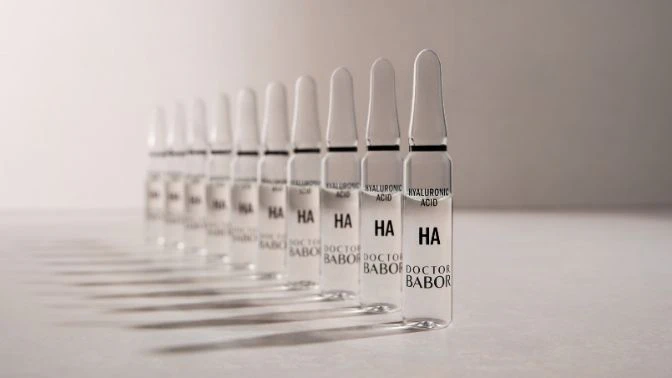
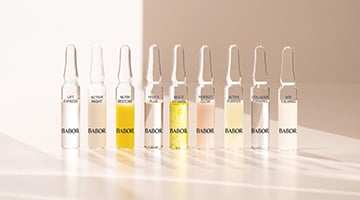
Adjuvant use of collagen firming ampoules provides a concentrated peptide pulse that amplifies the cream's rebuilding effects. This creates a layered treatment strategy for visible skin transformation.
What Ingredients Define the Best Collagen Cream for Face?
Formulation transparency distinguishes professional-grade collagen creams from mass-market alternatives. The best collagen cream for face publishes its active ingredient concentrations. It relies on clinically validated compounds such as matrixyl peptides, copper peptides, and plant-derived growth factor analogues rather than proprietary blends with undisclosed percentages.
Clinical-Grade Peptide Architectures
The peptide landscape encompasses several distinct classes, each serving a specific function in dermal restoration. Matrikines such as palmitoyl tripeptide-1 and palmitoyl tetrapeptide-7 mimic the natural matrix fragments that signal fibroblast repair. Copper peptides (GHK-Cu) support wound healing responses while promoting collagen and glycosaminoglycan deposition. The most sophisticated formulations combine multiple peptide classes to address aging through complementary mechanisms.
BABOR's approach integrates these peptide technologies within a 9.6% concentration complex. This provides one of the most advanced skin care products containing peptides available. The complex is standardized for reproducible clinical results. This precision concentration ensures that each application delivers a therapeutically relevant dose of active signaling molecules to the dermal fibroblast population.
Biogen Plant Extract: 65 Years of Botanical Science
Developed in 1956 and refined across seven decades of research, the Biogen Plant Extract represents one of the most extensively studied botanical complexes in professional skincare. The formula unites eight medicinal herbs. These include rosemary, ginseng, nettle, figwort, watercress, agrimony, fumitory, and bladderwrack. Each is selected for its documented capacity to support cellular vitality and protect against oxidative degradation.
This extract delivers a spectrum of polyphenols, flavonoids, and phytonutrients that complement peptide activity. They do this by neutralizing free radicals and supporting the cellular energy metabolism required for sustained collagen synthesis. The synergy between peptide signaling and botanical protection creates an environment in which fibroblasts can operate at peak synthetic capacity.
German Manufacturing Standards
Every BABOR product is 100 percent manufactured in Germany. It is made at the company's 60,000-square-meter Beauty Cluster facility in Aachen. This vertically integrated production model ensures complete quality control across all 100+ SKUs, from raw material sourcing to final packaging. Since January 2020, all manufacturing operations have been climate-neutral. This reflects a commitment to environmental stewardship that complements the brand's scientific rigor.
The European Union's cosmetic regulatory framework bans more than 1,300 substances. This compares to approximately 11 in the United States. The EU framework provides an additional quality assurance layer. Products formulated for the EU market undergo mandatory safety assessments that exceed global standards. This ensures that every jar of the best collagen cream for face meets the highest benchmarks for purity and efficacy.
When Should You Begin Using a Collagen Peptide Cream?
Dermatological consensus recommends integrating a peptide-enriched moisturizer into the skincare regimen during the late twenties or early thirties. This coincides with the onset of measurable collagen decline. Earlier intervention is warranted when genetic predisposition, photodamage history, or lifestyle factors accelerate matrix degradation.
Physiological Markers of Collagen Decline
The first visible indicators of dermal matrix depletion include fine periorbital lines, diminished cheek volume, and reduced skin turgor. These changes reflect an underlying structural reality. The fibroblast population is producing less collagen. The existing fibrils are undergoing glycation and oxidation that compromises their mechanical properties. Research published in Dermatology Practical and Conceptual confirms that topical peptide application can significantly improve skin density and firmness. Best results come when treatment begins during the early stages of collagen loss.
Building a Collagen-Focused Skincare Protocol
Optimal results from a collagen peptide cream require consistent twice-daily application. Apply to cleansed, slightly damp skin. Morning application provides ongoing fibroblast signaling throughout the day. Evening use supports the nocturnal repair cycle during which cellular regeneration peaks. Gentle upward strokes distribute the product evenly across the face, neck, and décolletage. These areas express collagen loss earliest.
For enhanced outcomes, pair your daily cream with a targeted treatment such as the DOCTOR BABOR Renewal Cream. Complementary ampoule concentrates deliver higher peptide concentrations in single-dose formats. The BABOR bounce-back protocol provides a structured framework for integrating peptide therapy into an existing routine.
Preventative Versus Corrective Application
The difference between preventative and corrective use centers on treatment duration and expectation. In younger skin, peptide creams function primarily as protective agents. They maintain existing collagen density and slow the age-related decline. In mature skin presenting established rhytides and laxity, the same formulation serves a restorative role. It stimulates new matrix deposition that gradually reverses visible tissue atrophy. Both applications are clinically valid. The distinction lies in the timeline and magnitude of observable improvement.
DOCTOR BABOR Collagen Peptide Booster Cream Versus the Market
Comparative analysis reveals that the best collagen cream for face distinguishes itself through published active concentrations, multi-decade research investment, and professional channel validation. The DOCTOR BABOR Collagen Peptide Booster Cream occupies a unique intersection of medical-grade peptide technology. It also offers accessible luxury positioning that competitors have not replicated.
How Clinical-Grade Formulations Differ from Retail Alternatives
The professional skincare market, valued at $2.17 billion, segments sharply between two categories. Some brands disclose active ingredient percentages. Others rely on proprietary secrecy. DOCTOR BABOR publishes its 9.6% Peptide Plant Complex concentration. This enables dermatologists and estheticians to evaluate formulation potency objectively. Many retail competitors do not specify peptide percentages. This makes clinical comparison impossible and efficacy assessment unreliable.
BABOR's position as the #1 Professional Skincare Brand in the European Union reflects this commitment to formulation transparency. This position was validated by the independent Kline 2024 study. Brands such as Elemis emphasize marine algae for surface hydration but lack the fibroblast-targeting peptide technology that drives structural repair. Natura Bisse offers growth factor complexes at premium price points without the same concentration transparency. The DOCTOR BABOR value proposition centers on measurable ingredient delivery at accessible luxury pricing.
| Criteria | DOCTOR BABOR | Elemis | Natura Bisse | Clarins |
|---|---|---|---|---|
| Peptide Technology | 9.6% Peptide Plant Complex | Marine Algae Extracts | Growth Factor Complex | Kangaroo Flower Extract |
| Clinical Validation | Dermatologist Tested, CIQA Verified | Spa-Based Efficacy | Luxury Medical Positioning | Botanical Science |
| Ingredient Transparency | Full Disclosure of Active % | Partial Disclosure | Proprietary Blends | Botanical Focus |
| Research Heritage | 70 Years German Science | British Spa Heritage | Spanish Innovation | French Botanical |
| Manufacturing | 100% Made in Germany, Climate Neutral | Contract Manufacturing | Barcelona Facility | French Production |
Why German Precision Skincare Leads the Category
The phrase "Made in Germany" carries specific weight in the skincare industry. It signifies adherence to the most stringent cosmetic regulations globally. It represents a culture of precision engineering applied to formulation science. It embodies a mindset of continuous improvement rather than trend-chasing. BABOR exemplifies this tradition through seven decades of uninterrupted research. It operates a 60,000-square-meter integrated production campus. Its sustainability program has achieved climate-neutral manufacturing since January 2020.
The DOCTOR BABOR line is trusted by professional estheticians worldwide for its reproducible clinical results and formulation consistency. For consumers seeking the best collagen cream for face, this professional endorsement provides independent validation. It transcends marketing claims. It represents the judgment of trained practitioners who evaluate products daily based on measurable skin improvements in their clients.
Frequently Asked Questions
Does collagen cream actually improve skin elasticity?
Yes, when formulated with bioactive peptides rather than full-length collagen molecules. The best collagen cream for face utilizes signal peptides that penetrate the dermis and activate fibroblast-mediated collagen synthesis. Clinical research published in dermatological journals confirms that consistent peptide application can improve skin density, firmness, and elasticity over four to twelve weeks of daily use.
What is the difference between collagen and collagen peptides?
Standard collagen is a full-length structural protein with molecular weight exceeding 300 kilodaltons. This renders it incapable of transdermal delivery. Collagen peptides are hydrolyzed fragments typically two to fifty amino acids in length. They are small enough to traverse the stratum corneum and reach the dermal fibroblast population where they exert biological signaling activity. Peptides are therefore the active delivery form. Intact collagen functions primarily as a surface moisturizer.
How long does it take for a peptide collagen cream to show visible results?
Surface-level hydration improvements appear immediately. Structural changes in skin density and firmness require four to twelve weeks of consistent twice-daily application. This aligns with the approximately 28-day keratinocyte turnover cycle and the longer timeline required for dermal matrix remodeling. The best collagen cream for face delivers measurable results within this standard biological window.
Should I take oral collagen supplements or use a topical cream?
Both modalities offer benefits through different mechanisms. Oral collagen supplements provide systemic amino acid substrate that supports whole-body connective tissue health. Topical peptide creams deliver fibroblast-targeting signals directly to facial skin. This enables precise treatment of age-related volume loss and laxity. For optimal facial rejuvenation, most dermatologists recommend a peptide-based topical cream as the primary intervention with oral supplementation serving a supportive role.
Can collagen peptide creams be used on sensitive or reactive skin?
Most professional-grade peptide formulations are well-tolerated across all skin types, including sensitive and reactive profiles. The DOCTOR BABOR Collagen Peptide Booster Cream undergoes dermatological testing to confirm tolerability. Individuals with known sensitivities should perform a patch test before full-face application. Peptide ingredients are generally non-irritating compared to active agents such as retinoids or alpha hydroxy acids.
Ready to Restore Your Skin's Structural Foundation
The science of collagen restoration has advanced beyond surface-level moisturizers toward targeted fibroblast signaling. The best collagen cream for face delivers measurable structural improvement through peptide technology, botanical innovation, and German precision manufacturing. Peer-reviewed research and professional clinical experience support this as the gold standard for age-related dermal matrix support.
Reach out to a BABOR skincare specialist to explore how the DOCTOR BABOR Collagen Peptide Booster Cream can be integrated into your personalized regimen for visible, lasting firmness.