Choosing a skincare format is often as important as choosing an ingredient. Texture affects how comfortably a product fits into your routine, while layering determines whether each step feels purposeful rather than heavy.
A vitamin c cream may suit a routine when you want a more cushioning, moisturizing texture alongside goals such as radiance or a more even-looking tone. The right choice depends on the formula, skin goals, and how it layers with the rest of your regimen. Topical vitamin C research continues to evaluate stability, permeability, and formula-design differences, so product format should be considered with realistic expectations. A review of topical vitamin C identifies these factors as important considerations.
From there, the practical question is what this format is designed to support, and how its texture may fit your preferred routine. Understanding those basics makes it easier to assess the options that follow.
What Does a Vitamin C Cream Do for Skin?
A vitamin C cream can support several visible skin goals, including a more even-looking tone, improved radiance, and a smoother-looking appearance over time. Topical vitamin C is widely used in cosmetics and dermatology because it has antioxidant capacity and is associated with collagen synthesis, pigmentation-related care, and skin-barrier support. These are ingredient-level properties, not a promise that every formula will produce the same result.
For skin that looks dull after periods of stress, dehydration, or environmental exposure, a well-chosen routine may help restore a more luminous appearance. Explore BABOR's guidance to support a more radiant complexion when glow is the primary goal. If uneven tone or the appearance of dark spots is your concern, its guide to care for uneven skin tone offers useful context for building a consistent routine.
Radiance and uneven tone
Vitamin C is used in preparations intended to address the visible effects of photodamage and signs associated with visible aging. A review of topical vitamin C describes applications related to antioxidant protection, pigmentation, and aging, while also noting that clinical studies of topical products remain limited. Read the evidence with appropriate perspective: a vitamin C cream may complement a thoughtful cosmetic routine. It should not be presented as a medical treatment or a guaranteed correction for discoloration.
Texture and barrier comfort
The cream format may be appealing when you want a treatment step that also contributes to a comfortable, moisturized routine. Vitamin C has been reported in the scientific literature as supporting skin-barrier improvement. The experience and performance of a finished product depend on its complete formula, not the ingredient name alone. Skin goals, texture preference, tolerance, and consistent use all matter when deciding whether this format belongs in your regimen.
In short, consider a vitamin C cream when your priorities include radiance, more even-looking tone, and a nourishing routine feel. Keep expectations measured, and assess the formula as a whole.
When Does a Vitamin C Cream Make Sense in a Routine?
A cream format can be a practical choice when you want a comfortable finish, a sense of nourishment, or fewer separate steps in your routine. It may suit readers who are balancing radiance goals with hydration and who prefer skincare that feels more substantial than a lightweight serum. The right choice depends less on the word "cream" alone than on how the product fits your skin, existing layers, and preferred application experience.
Choose by texture and layering preference
If your routine already includes several fluid products, a cream can provide a more defined final skincare layer. It may also appeal when a serum feels too light for your preferred finish. Conversely, if you dislike richer textures or apply multiple leave-on products, a serum may feel easier to distribute and layer. BABOR's vitamin C serum format offers a useful example of how a product can sit between treatment and moisturizing roles. Its presence in this comparison does not mean every serum or cream will feel the same on skin.
Understand the role of each format
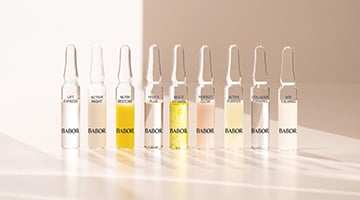
A serum is generally selected when a lightweight treatment step is the priority. An ampoule can represent a more concentrated-feeling, focused treatment format within a routine. BABOR's 10D Hyaluronic Acid Ampoule Serum Concentrate illustrates that an ampoule is a distinct glass treatment format, not simply another name for a cream. A cream, by contrast, may be the preferred format when texture and the final moisturizing step matter most.
Consider a vitamin C cream when you want to combine a treatment-oriented product category with a familiar cream sensorial experience. If your priorities are a very light layer, targeted sequencing, or compatibility with several other products, a serum or ampoule may be easier to organize. Start with the format you can apply consistently, then assess how comfortably it fits the rest of your routine.
Cream or Serum: Which Vitamin C Format Fits Your Skin Goals?
The most useful format is the one that fits your routine consistently, feels comfortable on your skin, and suits the role you want it to play. A cream can combine a moisturizing step with an ingredient-focused treatment, while a serum is usually designed as a lighter layer before moisturizer. An ampoule may be chosen when a concentrated, single-dose treatment format suits the routine. These labels describe texture and delivery, not a guarantee of superior results.
Topical vitamin C research covers antioxidant, radiance, pigmentation, and visible-aging contexts, but clinical evidence for topical products remains limited. The formula design also matters: stability, permeability, and the surrounding vehicle can affect how an ingredient performs. The review literature describes finding a stable and permeable format as an ongoing challenge. Comparison should begin with skin goals and routine compatibility rather than the word on the front of the package. Read the review of topical vitamin C research for further context.
| Format. | Texture. | Routine role and best fit. | Watchpoint. |
|---|---|---|---|
| Cream. | Emollient, from light lotion-like textures to richer creams. | Combines a moisturizing step with a treatment step; useful when comfort, hydration, and a simplified routine matter. | Layering may feel heavy if another moisturizer or rich product follows; confirm the formula's actual vitamin C details. |
| Serum. | Usually fluid or lightweight, though textures vary. | Places an ingredient-focused step before moisturizer; suits routines built around targeted layering, as illustrated by BABOR's vitamin C serum format. | It may require a separate moisturizer, and texture alone does not confirm concentration, derivative, or stability. |
| Ampoule. | Often fluid and treatment-oriented. | Fits a deliberate, single-dose treatment ritual or a routine that uses a distinct concentrate step; see BABOR's 10D Hyaluronic Acid Ampoule Serum Concentrate as a format example. | The format does not by itself establish vitamin C content, potency, or suitability for every skin type. |
| Layered routine. | Several textures, from fluid to cream, used in sequence. | Useful when a serum and moisturizer serve different purposes, or when you want to adjust hydration separately from treatment. | More steps can increase pilling, sensory weight, or complexity; add products gradually and observe comfort. |
Use cream examples as texture references, not as proof of vitamin C performance. BABOR's Collagen-Peptide Booster Cream illustrates how cream textures can occupy different routine roles, but its product page should be consulted for its own ingredient information. The right choice is the format whose texture, role, and verified formula details align with your skin goals.
How Should You Layer a Vitamin C Cream?
A vitamin C cream can be placed according to its texture and the rest of your routine. The goal is a comfortable, even application rather than following a universal rule for every formula or skin type. Start with freshly cleansed, dry skin, then move from lighter textures to richer ones when that sequence feels appropriate for your products.
- Start with freshly cleansed, dry skin. Remove daily residue with a suitable face wash, then pat your face dry. This gives each subsequent product a consistent surface.
- Apply any water-light layers first. If your routine includes a lightweight hydrating product, essence, or watery serum, apply it before a cream. Use the directions for that product, since textures and intended application can differ.
- Choose whether an ampoule belongs before the cream. A concentrated, fluid product is generally easier to distribute before a richer layer. For example, the 10D Hyaluronic Acid Ampoule Serum Concentrate represents a lighter format that may sit naturally ahead of a cream in a layered routine. This is a texture-based sequence, not a claim that every ampoule or cream must be combined.
- Smooth on the vitamin C cream. Use the amount and frequency stated on its packaging. A cream can serve as the richer step when its texture suits your routine, or it may be the only leave-on treatment you apply after cleansing. Press and smooth it evenly rather than repeatedly rubbing the same area.
- Finish with daytime protection when appropriate. If you are preparing for daytime exposure, use a broad-spectrum sunscreen according to its label. A vitamin C cream does not replace sunscreen, and layering order should not be used to make a product-specific sun-protection claim.
If the routine feels heavy, simplify it by removing one layer rather than adding more product. If a formula causes persistent discomfort, stop using it and seek advice from a qualified professional. The best sequence is the one that respects the product directions and leaves your skin comfortable enough for consistent use.
What Should You Look For in a Vitamin C Cream Formula?
Reading a vitamin C cream label involves more than looking for the largest percentage. Concentration can influence topical performance, but it is one part of a wider formula-design question. A useful starting point is to ask whether the product clearly identifies the form of vitamin C. Then check how the formula is designed to remain stable and whether its texture fits the rest of your routine.
pH is another consideration because it can affect how a topical vitamin C preparation performs. That does not mean one pH value is right for every formula or every complexion. Instead, look for transparent product information and judge the formula as a complete system rather than isolating one specification. A review in PubMed identifies concentration, pH, formula design, and stabilizing substances as relevant factors.
Questions worth asking before you choose
- Which form is used? Some products use a vitamin C derivative rather than the direct form. Derivatives are among the approaches discussed for improving stability, but the label should make the ingredient identity clear.
- How is stability addressed? Stabilizing substances, excipients, and processing technologies may all support a formula's stability or absorption. These details are formula-design considerations, not reasons to assume a guaranteed result.
- Does the format suit your routine? A cream can be appealing when you prefer a more cushioning finish or want to combine treatment with a moisturizer step. For contrast, explore BABOR's vitamin C serum format and a separate cream texture example. The latter is a format reference, not a vitamin C product claim.
Explore BABOR's Perfect Glow format
Finally, be cautious with universal promises. Topical vitamin C has recognized formula-design challenges, including stability and limited skin penetration, and clinical evidence remains limited. Choose a well-described formula you can use consistently, then assess how its texture and routine role work for your skin.
How Do Stability and Packaging Affect Vitamin C?
Vitamin C presents a practical challenge in topical skincare: its biological potential must be preserved long enough to remain useful in a finished product. Research identifies both low stability and limited skin penetration as important considerations. That means choosing a vitamin C cream is not only about the ingredient name on the label. The vehicle, supporting ingredients, pH, and protection from oxidation all influence how the product is designed to perform.
Packaging is part of that protection. A well-designed package can help limit unnecessary exposure to air, light, heat, or repeated handling, although the package alone does not establish a product's quality. Look for clear information about the form of vitamin C used, the product's intended use, and the brand's approach to protecting the formula. Avoid assuming that a higher stated concentration automatically means a more effective product, because concentration is only one factor among several.
Why the product system matters
Studies have explored derivatives, excipients, and other technological processes as ways to improve vitamin C stability and absorption. These choices can change how the ingredient behaves in a cream, serum, or other format. They also help explain why two products that both mention vitamin C may have different textures, application experiences, and performance expectations.
A study indexed by PubMed found that tested emulsified systems slowed ascorbic acid degradation compared with aqueous solutions, while degradation increased as pH increased within the tested systems. The researchers evaluated several emulsion types and observed the greatest protection in a specific multiple-emulsion arrangement when vitamin C was held in its inner aqueous phase. These findings describe laboratory conditions, not a universal storage rule or a claim about any particular retail product.
For shoppers, the useful takeaway is to assess the whole product design rather than a single marketing detail. Stability depends on the ingredient form, the surrounding system, pH, protective substances, processing, and packaging working together. Since clinical research on topical vitamin C products remains limited, choose transparent, well-described products and follow the manufacturer's directions instead of applying assumptions from one formula to another.
Who May Prefer a Cream Format, and When Should You Simplify?
A cream format may suit readers who value a more cushioned skin feel, want hydration to remain part of the same step, or prefer fewer layers in the morning. It can also be a practical choice when a lightweight serum feels too fluid, when several products create unnecessary complexity, or when the routine is easier to follow with one carefully selected treatment moisturizer.
Texture, however, should support the routine rather than determine every expectation. If radiance is the primary goal, choose a product whose stated purpose and ingredient list align with that goal. BABOR's radiance-focused cream is a relevant example of a cream format to evaluate, but its product page should be consulted for its specific formula and intended use. Do not assume that every cream contains vitamin C or delivers the same ingredient profile as a serum.
Use the simplest format you can apply consistently
Keep the decision practical.
A straightforward decision framework can help.
- Choose a cream format if a richer or more emollient texture feels comfortable, supports your hydration preferences, and can stand in for multiple routine layers without making the skin feel overloaded.
- Consider a serum or ampoule if you prefer a lighter finish, want to layer a separate moisturizer, or are comparing targeted formats according to a specific product brief.
- Simplify when too many steps make the routine difficult to maintain. A shorter routine with compatible products is often more useful than an elaborate sequence that is applied inconsistently.
Evidence should also temper format-based promises. Reviews describe topical vitamin C applications across cosmetic skin goals, but clinical studies on topical products remain limited. Researchers continue to identify stability and skin permeability as formula-design challenges. See the review of topical vitamin C evidence for context. In practice, assess the complete formula, your preferred texture, and your skin's response over time rather than assuming that cream, serum, or ampoule is universally most effective.
Frequently Asked Questions
What does vitamin C cream do for your skin?
It can support a routine focused on a more radiant-looking complexion, uneven tone, and visible signs of aging. Topical vitamin C is used in cosmetic and dermatologic preparations, with reported antioxidant and tone-supporting properties. Results depend on the specific form, formula, consistency of use, and your wider routine. For a research overview, see this PubMed review.
What should you not mix with vitamin C?
There is no universal list of ingredients that every person must avoid. However, introducing several potentially active products at the same time can make it difficult to identify which product is causing discomfort. Add one new product at a time, follow its directions, and simplify your routine if your skin feels uncomfortable. Consider professional advice for persistent or significant reactions.
What is the most effective vitamin C cream?
The best choice is not defined by a single percentage or texture. Look for a clearly identified vitamin C form, packaging and directions that support product stability, and a cream texture you will use consistently. Concentration, acidity, the overall formula, and stabilizing components can all influence performance, so compare complete product information rather than one headline claim.
What is the best vitamin C for older skin?
Choose the format that suits your current goals and comfort, such as radiance, uneven tone, hydration, or a smoother-looking finish. A cream may feel convenient when you prefer more cushion or want to streamline layering, while a serum may suit a lighter routine. Start gradually, apply as directed, and use daytime sun protection as part of your broader skincare routine.
Ready to Explore a Vitamin C Cream Format?
If texture, layering, and routine feel matter as much as your skin goals, reviewing a specific format can make your next choice more informed. Explore the BABOR Perfect Glow page to consider how this serum and face moisturizer format may fit into your skincare routine.