A beta glucan serum may be worth considering when you want a focused skincare step, but the ingredient name alone cannot tell you whether a specific product fits your routine. Compare the finished formula, directions, texture, packaging, and product claims. This guide offers a practical way to evaluate those details and decide whether another layer makes sense for you.
Get guidance for choosing skincare
What should a beta glucan serum offer?
Begin with the role you want the serum to fill. A useful purchase decision starts with your routine and preferences, not with a front-label ingredient callout. Perhaps you are looking for a light layer before moisturizer, a formula that can be used comfortably under daytime products, or a way to make a routine feel more intentional. Naming that role gives you a clear standard for comparison.
Beta glucan is an ingredient used in skincare formulations. Its presence identifies one component of a product, not the complete formula or the experience you can expect from it. Two products that name the same ingredient can differ in texture, directions, supporting ingredients, packaging, and intended use. A product description should help you understand how the finished serum is meant to fit into a routine.
Keep the decision proportionate. If your current routine is comfortable and meets your needs, there is no requirement to add a serum just because an ingredient is attracting attention. If you do want to try one, look for a product whose instructions and feel suit habits you can sustain. Product choice should be an informed fit, rather than a promise that one ingredient can deliver a universal result.
How do you assess the full formula?
Read the full ingredient list and product information together. The ingredient list is useful for checking substances you already know you prefer to avoid, but it is not a simple quality scorecard. A highlighted ingredient does not, by itself, reveal the finished productâs concentration, stability, performance, or suitability for an individual. Use product directions and the manufacturerâs explanation of intended use as important context.
- Check intended use. Does the product explain whether it is designed as a daily serum, a targeted step, or part of a specific routine? Make sure the stated role matches the gap you identified.
- Review the complete list. Look for ingredients you already know you do not tolerate or prefer to avoid. Do not assume that the headline ingredient is the only detail that matters.
- Read the directions closely. Note the amount, frequency, application order, and any cautions. Avoid filling in missing instructions from assumptions about another serum.
- Consider the whole routine. Think about what you currently use in the same step and whether the proposed addition would repeat an existing function or create too many layers.
- Look for precise wording. A helpful product description explains what the product is intended to do and how to use it. Be cautious about broad promises that do not explain their basis.
Ingredient order can be part of the information a label provides, but it should not be treated as a stand-alone measurement of a productâs quality or likely personal effect. If you want to learn terminology, BABORâs ingredient glossary is a starting point for looking up skincare terms. When a particular ingredient raises a health or sensitivity question, ask a qualified healthcare professional rather than relying on a label interpretation alone.
Which details help you compare products fairly?
Use the same questions for every option. This reduces the influence of a dramatic front-label claim and makes it easier to identify practical differences. The table is a decision aid, not a product ranking or a prediction of individual results. Fill it out using the actual product information available to you; if an answer is not provided, mark it as unknown instead of guessing.
| What to compare | Questions to ask | Why it matters | Next step |
|---|---|---|---|
| Intended role | What step is the serum designed to support? | A clear role helps prevent redundant layers. | Match the description to a need in your current routine. |
| Directions | How much, how often, and in what order should it be applied? | Instructions affect whether regular use is practical. | Check that the directions are clear and workable. |
| Formula | Are there ingredients you already know you avoid? | The complete formula matters more than one highlighted name. | Read the list and note any unanswered questions. |
| Texture and finish | Does the product describe a feel or finish you prefer? | Comfort and layering can influence whether you keep using it. | Use a sample or ask for product guidance when available. |
| Packaging and size | Can you store and dispense the product as directed? | A practical format can make a routine easier to follow. | Compare container details and size with your habits. |
| Claims | Are descriptions clear and appropriately qualified? | Specific language supports realistic expectations. | Do not infer an outcome that the product information does not state. |
A quick comparison can reveal that two options are not addressing the same need. One may have directions that fit your morning routine, while another may be described for a different use. A lightweight texture may be your preference, but someone else may care more about how a serum layers with moisturizer. Neither preference is a universal rule; the useful choice is the one that meets your stated criteria.
Consider an example. Imagine that you currently apply moisturizer and sunscreen in the morning and want to add a serum. Before choosing, check whether the serumâs directions support that timing, whether its texture seems compatible with your planned layers, and whether the full list raises a known concern. If the directions are vague or the product does not seem to add a role you value, you have a reason to keep comparing rather than buying immediately.
How can you decide whether a serum belongs in your routine?
Map the steps you already use before adding anything new. Write down product names and the order in which you apply them in the morning and evening. Include occasional treatments, not just daily products. This simple inventory can show whether the proposed serum fills a real gap, duplicates something you already use, or would make the routine difficult to maintain.
- Describe the purpose in one sentence. For example: âI want to test whether a light serum fits comfortably before my moisturizer.â A defined purpose is more useful than a vague goal to have more steps.
- Choose a routine moment. Decide whether you would use it in the morning, evening, or as instructed. Check the product directions before settling on a time.
- Check the sequence. Consider where it would go relative to cleansing, moisturizer, and daytime sun protection. Follow the specific directions, since products can differ.
- Introduce one change at a time. If you want to understand how a new product fits, avoid introducing several new products simultaneously. A simpler comparison makes your own observations easier to interpret.
- Assess convenience as well as feel. Notice whether the product is easy to dispense, whether the directions fit your schedule, and whether the additional step makes the routine too complicated.
- Revisit the purpose. After giving yourself a reasonable opportunity to use it as directed, ask whether the serum is comfortable, practical, and relevant to the role you chose.
For example, someone with a brief morning routine may decide that an extra layer is not worth the added time, even if the formula looks appealing. Another person may enjoy a deliberate evening routine and be comfortable with an additional serum step. The product does not change between those readers; their priorities and habits do. Routine fit is therefore a meaningful part of the decision, not an afterthought.
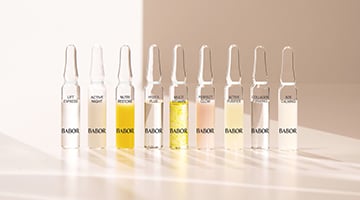
Products grouped into routines can help you see how a brand organizes several steps, but a set is not automatically the right purchase for every person. Review the purpose and directions of each item rather than assuming every included product is necessary. BABORâs skincare sets page provides an example of products presented together; use the same careful review for each component.
Explore skincare guidance for your routine
What should you consider about texture and packaging?
Texture is personal, but it is also practical. A product may sound appropriate on paper and still feel uncomfortable to use every day. Consider whether you prefer a fluid, gel-like, or richer feel, but rely on the specific product description or a sample where available rather than assuming that every serum with the same ingredient has the same texture. If you cannot assess a sample, use the written product details and ask questions before deciding.
Think about how a serum behaves within the routine you actually follow. If you use moisturizer immediately afterward, consider whether the combined layers feel manageable to you. If you apply daytime products after the serum, check whether the product instructions discuss that use. Avoid concluding that a product will layer well solely because it is called a serum; the name describes a product format, not a guarantee of a particular finish.
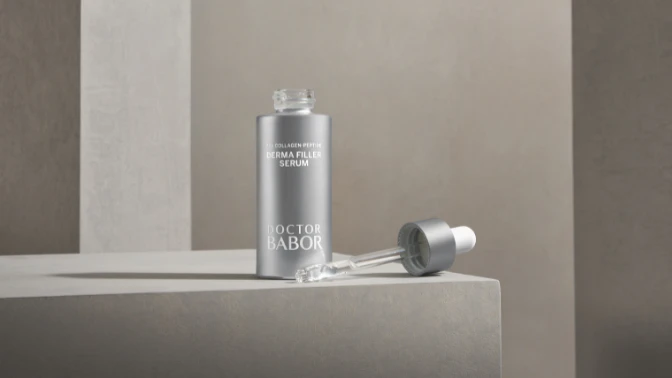
Packaging deserves a practical review too. Check the container size, dispensing method, storage advice, and whether the instructions ask you to close it promptly or take another specific step. Ask yourself where you will keep it and whether the format suits that spot. Packaging does not prove efficacy, but a format that works with your storage and application habits can support consistent use.
These details can matter when comparing two otherwise appealing products. If one package seems easier to handle with your usual routine, that may be a relevant preference. If a containerâs directions or use instructions are unclear, seek clarification rather than making assumptions. Keep the comparison grounded in facts the product provides and preferences you can identify for yourself.
How should you approach sensitivities and product claims?
People can respond differently to skincare products. Review the complete ingredient list for substances you already know you do not tolerate. If you have a history of reactions, a diagnosed skin condition, or a question about whether a product is appropriate for you, ask a qualified healthcare professional for individualized advice. A product description cannot replace that conversation.
If the manufacturer provides guidance for trying a product on a small area first, follow that guidance. A small-area test cannot guarantee that a reaction will not occur with later use. Stop using the product if you experience an unwanted reaction. Seek medical advice for severe or persistent symptoms, and do not use a cosmetic product as a substitute for diagnosis or treatment.
Read claims with care. An ingredient-centered statement can identify what a product emphasizes, but it does not establish how every person will respond or guarantee a particular outcome. Distinguish clearly between a productâs stated intended use and an individual result. Words such as âcomfortingâ or âreplenishingâ may describe a brandâs intended experience, but readers should still review the full formula and directions instead of treating a descriptor as a standardized promise.
For general information on U.S. cosmetic oversight, consult the U.S. Food and Drug Administration website. Read product labeling and claims in context. If your question concerns a symptom, a health condition, or a reaction, an appropriate healthcare professional is the right person to advise you.
When does a serum make sense beside other skincare steps?
Different product formats serve different routine roles. A cleanser is used for cleansing, a moisturizer is selected for its intended moisturizing role, and a serum is one possible focused layer. These formats are not a ladder in which adding more automatically creates a better routine. Start with the need you are addressing, then choose the simplest set of steps that makes sense for you.
If your routine is already comfortable and manageable, you may decide not to add another product. If you want to explore a serum, check that it has a distinct purpose and that its use instructions fit around the products you already use. Where available, product information and advice from a knowledgeable skincare professional can help clarify questions about directions or product selection. BABORâs digital skincare advisor is one route for exploring product guidance.
Browsing a broader range can also help you understand how products are described without assuming that a bestseller or popular product is necessarily the right one for you. Review the stated use and the full product information. BABORâs bestsellers collection is a place to browse, while BABORâs ingredient information can help you look up additional ingredient details. Neither page should replace checking the instructions for a specific product.
When comparing claims or product information, keep the question narrow: What is this product meant to be used for, what do the directions say, and does it address something I want from my routine? That approach leaves room for personal preference without turning an ingredient name into a promise. For broader skincare reading, you can also browse BABOR skincare advice and stories.
How can you review your decision after choosing?
Set a simple, realistic check-in based on use and comfort rather than an expected transformation or fixed timeline. Follow the productâs own directions. Notice whether the texture is pleasant enough for regular use, whether the routine remains manageable, and whether you have any unwanted response. Keep other routine changes limited when possible; changing several products at once makes it harder to understand what you are noticing.
A short note can make the review more useful. Record when you use the serum, what other products you apply with it, and whether the experience is comfortable and practical. This is not a clinical assessment. It is a way to remember details that can otherwise blur together, particularly if you are comparing more than one product or adjusting your routine over time.
If it does not suit you, identify the reason as specifically as possible. Was the texture not to your taste? Did the directions not fit your schedule? Did the product feel redundant beside an existing step, or did you notice a reaction? These observations can guide a future purchase more effectively than deciding that an ingredient is universally good or bad based on one personal experience.
If you are using skincare to address a persistent, worsening, or concerning issue, do not delay professional evaluation. A serum is a cosmetic routine choice, not a diagnosis or treatment plan. A qualified healthcare professional can help assess whether a concern needs care beyond product selection.
Frequently asked questions
Is a beta glucan serum suitable for every skin type?
No product should be assumed to suit everyone. Review the complete ingredient list and directions, and consider your own known sensitivities. If you have a skin condition or a history of reactions, ask a qualified healthcare professional for individualized guidance before introducing a new product.
Can I use a beta glucan serum with other products?
Check the directions for the serum and for the other products in your routine. Consider application order and introduce one new product at a time if you want to observe how it fits. Ask a qualified professional if you are unsure about a particular combination.
How do I compare two beta glucan serums?
Use the same criteria for both: intended role, full ingredient list, directions, texture, packaging, and clarity of claims. Note what the product information does not tell you instead of guessing. Choose the option that best fits your preferences and routine, or decide that neither is needed.
Does the ingredient name guarantee a particular result?
No. The ingredient name alone does not guarantee how an individual will respond. The finished formula, instructions, personal preferences, and individual tolerance all matter.
Should I add a serum if my routine already works for me?
Not necessarily. If your current routine feels comfortable and meets your needs, adding a step is optional. Consider a new product when you can name the role you want it to play and confirm that its directions and format fit your habits.
Get help navigating product choices
Choose a beta glucan serum by evaluating the whole product, defining its place in your routine, and setting realistic expectations. Clear directions and an honest comparison of formula, feel, and practical fit can make your next skincare decision more considered.