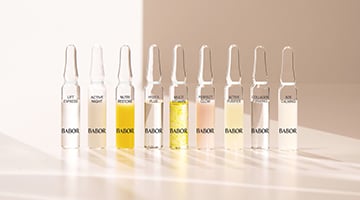
German skincare can offer useful clues about a brand's manufacturing background, but a country-of-origin statement alone cannot tell you whether a formula suits your needs. Assess the product itself: its purpose, ingredient information, directions, manufacturing transparency, and the scope of any claims.
What does "made in Germany" tell you?
A country-of-origin statement can help you understand where a product is manufactured. It does not explain everything about how the product was developed, what its formula is intended to do, or how it may feel on your skin. Nor does the statement make every product from one country interchangeable. Each formula has its own ingredients, directions, texture, packaging, and intended role.
Start by asking what the statement refers to. Is it the location where the finished product is manufactured, the company's home country, or a heritage description? Those details are not the same. Clear, product-specific information makes a claim easier to interpret. If a page only highlights a national identity but gives little information about the product, keep looking for the details that matter to your decision.
BABOR's company information describes production in Aachen, Germany, with research and development, manufacturing, and logistics at an integrated site. BABOR also reports supply-chain control and batch tracking. These company-reported details provide context for the brand's operations. They are not a substitute for reviewing an individual product's formula, directions, or suitability for your own routine.
It helps to separate three questions: where was the item manufactured, what controls does the company describe, and what is the specific product designed for? An origin label addresses only part of the first question. A useful evaluation considers all three without turning any one detail into a promise about an individual result.
Which quality signals are worth checking?
Look for information that helps you make a practical choice. A detailed product page should let you identify the product's role, review its ingredient list, understand how to use it, and notice relevant cautions. You can also check whether manufacturing and performance statements explain their scope. More information does not guarantee that a product will be right for you, but it does make an informed comparison possible.
- Origin and traceability: Look for a named manufacturing location and an explanation of what the company tracks. A traceability statement is most helpful when it clarifies which stages or products it covers.
- Product purpose: The description should explain whether the item is a cleanser, moisturizer, or another kind of skincare step. A defined role helps you decide whether it adds something useful to your routine.
- Ingredient information: Read the full list and any explanation of featured ingredients. An ingredient's presence alone does not establish a particular effect or tell you whether your skin will tolerate the formula.
- Directions and cautions: Check the amount, timing, frequency, and any warnings. Clear directions make it easier to see how the product fits with the steps you already follow.
- Claims and evidence: Separate a description of the product from a statement about measured performance or user experience. Ask what was assessed and whether the statement applies to the exact item you are considering.
- Packaging and responsibility: Look for specific information about materials, sourcing, or company practices. Notice whether each statement concerns one product, one facility, or the company overall.
BABOR's ingredient glossary offers explanations of skincare terminology. Use a glossary to clarify words, then return to the individual product page to confirm its actual ingredient list and directions. The general explanation of an ingredient should not be treated as a guarantee about a formula containing it.
How can you compare German skincare options?
Compare like with like. If you are considering two moisturizers, review both moisturizers rather than comparing one product's origin statement with another product's sustainability message. Use the same questions for each item, and record what you can verify. The table below is a decision aid, not a ranking of countries or brands.
| Signal to compare | What to check for each product | Question to ask | What the signal cannot establish alone |
|---|---|---|---|
| Manufacturing origin | Specific place and clear description of what is made there | Where is this finished product manufactured? | Whether its formula suits your skin or preferences |
| Production oversight | Explanation of controls, tracking, or consistency practices | What does the company say it monitors? | That every user will have the same experience |
| Formula and purpose | Ingredient list, intended use, and product format | What role would this item play in my routine? | That a featured ingredient will produce a specific result |
| Use directions | Amount, timing, frequency, and cautions | Can I follow these instructions with my current routine? | Personal suitability or a medical assessment |
| Responsibility information | Specific practices and the scope of each statement | Does this refer to a product, package, facility, or company? | The full impact of every product component |
Try this method with two hypothetical moisturizers. Both state that they are made in Germany. Product A identifies its intended use, provides an ingredient list, and explains when and how to apply it. Product B emphasizes its country of manufacture but offers little product-level detail. Product A gives you more information for judging routine fit. That does not mean it will suit every person better; it means you have more of the information needed to make your own decision.
Now imagine both pages provide those basics, but only one explains what a particular manufacturing statement covers. That additional detail may help you understand the company's process. It still does not replace comparing texture, instructions, ingredients, or your preferences. A fair comparison keeps the same standards for both products and avoids treating a single headline as a complete quality score.
For a BABOR example, its company materials describe manufacturing and batch tracking in the context of its Aachen operations. You can treat those facts as brand-level background, then check the product page for the formula-specific information. Browse the BABOR skincare collection and compare the details of the exact items you are considering rather than relying on a general category description.
What should you ask about product claims?
Words such as "tested," "proven," and "professional" can refer to different things. Read the complete statement and look for a description of what was assessed, which product it concerns, and what the reported finding means. A claim without a clear scope can be difficult to use in a purchase decision. A manufacturing address, company history, or ingredient description is not in itself evidence for a specific skincare effect.
Use three questions when you encounter a strong claim. First, is it about the product's design, a measurement, or a user's reported experience? Second, does it refer to the exact formula or to a larger product family? Third, does the explanation show what the finding can and cannot tell you? If the information is not clear, keep the claim in perspective and focus on details you can verify, such as intended use and directions.
For general information about cosmetics in the United States, consult the U.S. Food and Drug Administration. Regulatory information provides background on the category; it is not an endorsement of a particular brand or product. Product claims and the rules that apply to them can be specific, so avoid inferring an individual product's performance from a broad regulatory overview.
Keep expectations grounded. Skincare products may be designed to support the appearance or feel of skin, but each person's experience can differ. If you have a persistent concern, a skin condition, or questions about using a product with treatment, speak with a qualified health professional rather than relying on a marketing description.
How does manufacturing transparency fit with sustainability?
Manufacturing origin and environmental responsibility are separate questions. A product made in Germany is not automatically more sustainable because of its location. Look for specific information about operations, packaging, sourcing, or stated goals, then note the scope of every statement. A facility initiative is different from a description of one product's packaging or ingredients.
BABOR reports climate-neutral production since 2020 and describes its Aachen facility as an all-electric beauty cluster. These are company-reported operational statements. They give readers information about the company's approach, but do not provide a complete account of the lifecycle impact of any one product. To interpret an environmental statement, ask what is included, what period it covers, and whether it applies to the product you are evaluating.
When comparing responsibility information, distinguish a concrete practice from an aspiration. A statement about packaging materials, for example, is not the same as a company-wide goal. Both may be relevant, but neither tells you the whole story unless its boundaries are clear. If an environmental point is important to your choice, seek supporting detail and avoid assuming that one broad statement applies equally to every item or component.
For more brand and routine context, read BABOR skincare stories. You can also review the ingredient information available on the site. Use these resources as a starting point, and verify claims and directions on the page for the specific product.
How can you decide whether a product fits your routine?
A product can be well documented and still not be the right choice for your preferences. Begin with a need you can describe, map the steps you already use, and consider whether this item fills a distinct role. Then read its instructions and cautions before deciding how it might fit. The aim is not to build the longest routine; it is to understand each step you choose.
- Name the routine goal. Be specific. You might want a cleanser with a texture you enjoy, or a moisturizer for a particular time of day. A concrete goal helps you set aside products that do not address a need.
- Map your current steps. Write down what you use in the morning and evening, including prescribed products. Note the purpose of each item and where a new product would go. This makes duplication and timing questions easier to spot.
- Review the exact product page. Read the ingredient list, directions, intended use, and cautions for the item itself. A broad collection page or brand description may not answer a product-specific question.
- Think through practical use. Consider texture, application time, and how the instructions work with your habits. If the label gives a specific order or frequency, check whether you can follow it consistently.
- Introduce thoughtfully. When practical, add one unfamiliar product at a time and follow the label. Changing several steps together makes it harder to tell which change affected your experience.
- Reassess based on your experience. Notice how the product feels and stop using it if irritation occurs. Seek professional guidance for persistent concerns or questions involving prescribed skincare.
For example, suppose you already use a moisturizer that feels comfortable. Before adding another, identify a reason: perhaps you want a different texture for evening use, or the product description suggests a distinct role. Compare both sets of directions and ingredient information. If the new product would simply repeat a step without meeting a clear preference, you may decide not to add it. If you are unsure about combining products, consult the label or a qualified professional.
Suppose instead that you are starting a routine and considering a cleanser, moisturizer, and serum at once. Evaluate each item separately: what is its stated purpose, when does the label say to use it, and what cautions apply? You might select only the steps that serve your stated goals and that you understand how to use. Adding products gradually gives you a clearer view of your experience than changing every step on the same day.
BABOR's Digital Skincare Advisor is one place to explore options based on stated preferences. You can also browse skincare sets or bestselling products, then review each item's product-specific information. If you prefer to find a nearby point of sale, use the BABOR retailer search.
Explore options for your skincare routine
Frequently asked questions
Does "made in Germany" guarantee a product's quality?
No. The origin statement gives information about manufacturing location, but it does not establish every aspect of a formula's quality or its suitability for you. Review the product's purpose, directions, ingredient information, manufacturing details, and the scope of any claims.
Is German skincare suitable for every skin type?
No single country of origin determines how a product will work for every person. Skin needs, preferences, and tolerance vary. Use the product's stated purpose and directions as part of your decision, and seek professional guidance if you have a persistent concern or use prescribed skincare.
What should I check first when comparing products?
Start with the intended role and directions for the exact product. Then review its ingredient information, cautions, and manufacturing details. Beginning with the product's purpose helps you decide whether it has a place in your routine before weighing broader brand statements.
Can a company sustainability statement tell me the impact of one product?
Not necessarily. A company- or facility-level statement may describe broad operations, while an individual product and package have their own details. Check the scope of the statement and avoid assuming that it describes every item in the same way.
What is a practical way to evaluate German skincare?
Use origin as one useful clue within a broader review of manufacturing transparency, formula purpose, directions, claims, and routine fit. Specific information helps you compare products fairly; the better-informed choice is the one whose purpose and instructions you understand and can use appropriately.


