The best hyaluronic acid serum is not necessarily the one with the longest ingredient list or the most technical-sounding claim. A useful comparison starts with the formula's overall water-binding approach, then considers texture, layering, and the role the serum can realistically play in your routine. Hyaluronic acid is a humectant used in topical skincare; how a serum feels and fits depends on the whole formula, not one ingredient name.
What should you compare in a hyaluronic acid serum?
Compare four practical details: the product's disclosed hyaluronic-acid forms or molecular-weight strategy, its finished texture, its application directions, and the rest of its formula. Then ask whether it fills a gap in your existing routine. A serum may be a comfortable hydrating layer, but it does not replace every step that supports skin comfort. A higher concentration claim alone does not establish that one product will suit everyone better.
Begin with the label and product directions. If the label identifies different hyaluronic-acid forms or molecular weights, treat that as information about the formulation approach rather than a guarantee of a particular result. If the label does not disclose molecular weights, do not assume them from a phrase such as multi-weight. Look for clear directions and consider whether the product's texture will work with the moisturizer or other products you already use. Avoid filling in details the product information does not provide.
| Comparison point | What to look for | What it can tell you | What it cannot establish alone |
|---|---|---|---|
| Molecular-weight approach | Specific forms or weights disclosed in product information | How the formula describes its hyaluronic-acid system | That one serum will work better for every person |
| Texture | Watery, gel-like, or more substantial feel | How it may layer within your routine | How your skin will respond before use |
| Application directions | Recommended amount, order, and follow-up steps | How the brand intends the serum to fit | That more product or more layers will improve the experience |
| Routine role | Whether you want a hydrating layer, treatment step, or simpler regimen | Whether the product fills a defined place | That it can replace moisturizer or professional advice |
How does molecular weight fit into the comparison?
Hyaluronic acid is a broad name used for a family of related ingredients and forms. Product descriptions may refer to molecular weight, multiple weights, or a proprietary complex. These terms can help explain a manufacturer's approach, but a number or technical phrase is not a stand-alone measure of quality. A serum's full formula, use directions, and fit for an individual matter as well.
When a label gives more detail, read the claim precisely. A formula described as containing several molecular weights signals that the formulator has included more than one size category; it does not mean that the product has been shown to work better for every person. If no weights or specific forms are listed, there is no need to infer them. Compare what is actually disclosed rather than filling missing information with assumptions.
For a brand-specific example of terminology, BABOR describes 10D Hyaluronic Acid as a system with 10 molecular weights in its company information. That description should not be taken to mean that every BABOR serum contains that system. Check individual product details for ingredients and intended use. You can explore BABOR's ingredient glossary and serum collection while comparing current product information.
Which texture works best in a layered routine?
Texture affects the experience of using a serum and how easily it fits with other steps. A light, fluid serum may feel comfortable beneath a moisturizer; a gel-like one may leave a more noticeable film, depending on the formula and how much you apply. Those observations are not universal rules. Skin condition, the amount used, surrounding products, and personal preference all influence the result.
Think about the products that already sit before and after the serum. If your routine includes several layers, a thinner texture may be easier to place in sequence. If you use only a few products, you may prefer a more substantial feel. Pay attention to the specific directions: some products are designed for recently washed and dried skin, while others may have different instructions. Follow the label instead of assuming all serums are applied in the same way.
Allow each layer to settle as directed, and use the amount recommended on the packaging. If products pill, feel tacky, or seem uncomfortable when layered, simplify the sequence and test one change at a time. The issue may be the amount, the combination of textures, or the order-not necessarily the serum's central ingredient. Avoid adding multiple new products at once if you want to understand which one is affecting the feel of your routine.
Where does a hyaluronic acid serum belong in a routine?
In many routines, a serum is a treatment or hydration layer applied after the skin-preparation step and before moisturizer, if the product directions support that sequence. The exact order can vary with a formula's instructions and the other products being used. In the morning, follow the rest of your usual routine, including sun protection when appropriate. At night, keep the sequence comfortable and manageable rather than adding layers simply because they are available.
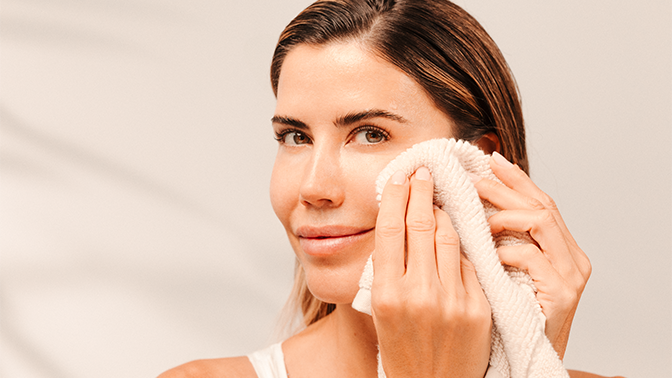
- Prepare the skin: Follow your usual face-washing step and pat the skin as directed by the products you use.
- Apply the serum: Use the product's stated amount and application instructions. Do not assume a larger amount will provide a better result.
- Follow with moisturizer if needed: Choose a moisturizer that suits the rest of your routine and the product directions. Browse BABOR's moisturizer collection to compare formats.
- Keep the rest consistent: Add or change one product at a time so you can judge its texture and compatibility more clearly.
A serum's routine role is not the same as a promise to address every concern. If your main goal is a comfortable hydrating layer, compare its feel, directions, and fit with moisturizer. If you want to address a persistent skin concern, a cosmetic serum may not answer the underlying question; seek qualified advice when needed. The FDA's consumer information is a starting point for questions about how cosmetic products are overseen in the United States.
How should you assess comfort over time?
A first impression can be useful, but it does not answer every question about how a serum will fit your routine. Notice the texture during application, how it feels after the next step, and whether you are comfortable using it as directed. Keep expectations focused on the experience and role of the product; a cosmetic serum should not be treated as a promise to change every aspect of skin.
If you are introducing a new product, avoid changing several steps at once. Keep the rest of your routine familiar and follow the product label. If a formula causes discomfort, stop using it and seek appropriate guidance, particularly if the reaction is persistent or concerning. Individual response varies, so another person's preferred formula or routine is not a reliable prediction of your own experience.
Separate a texture preference from an ingredient conclusion. A serum that feels tacky under one moisturizer may layer differently with another product or in a different amount. That does not establish that its hyaluronic-acid approach is unsuitable. First review the recommended amount and order, then consider whether the surrounding layers can be simplified. Avoid changing application directions that the brand provides.
What information is useful to record while comparing?
A concise comparison note can help you avoid being swayed by packaging language. Write down the product name, the hyaluronic-acid forms or molecular-weight details the brand actually discloses, and the application directions. Add observations about texture, how many layers you use, and whether the serum fits morning, evening, or either routine. This keeps your comparison anchored to the specific formula rather than a general impression of the ingredient.
Use a short set of questions: Is the ingredient information specific or broad? Is the product's intended use clear? Do the directions suit steps already in your routine? Is the texture one you are willing to use consistently? Does the product description make claims you can evaluate from the information supplied? If an important detail is missing, treat it as unknown instead of assuming the answer.
These notes are not a clinical assessment and do not need to turn skincare into a complicated project. They are a way to make a thoughtful purchase and keep the routine coherent. If you are comparing several products, review them one at a time and use the same criteria for each. BABOR's bestsellers page can be another place to review product descriptions, but popularity does not determine personal fit.
Why read beyond the hyaluronic-acid claim?
The ingredient highlighted on the front of a package is only one part of a serum. The complete ingredient list and product directions offer a broader view of the formula, while the texture gives practical information about its place in your routine. Avoid treating one ingredient name as a summary of every quality that matters. Two products can emphasize hyaluronic acid yet differ in supporting ingredients, finish, and recommended use.
Consider your current steps before choosing another layer. If you already use a serum that provides the feel you want, a second one may not add a useful role. If you want to make a change, identify the gap first: perhaps you want a lighter texture, clearer directions, or a product that fits the sequence you already follow. This keeps the choice focused on use rather than adding steps for their own sake.
When a product description makes a specific claim, check whether the wording tells you what the formula contains, how it is intended to be used, or what evidence supports the claim. Those are different kinds of information. Avoid inferring clinical performance from ingredient terminology alone, and consult a qualified professional about persistent concerns or questions beyond cosmetic product selection.
How can you make an informed comparison?
Use a short checklist instead of ranking formulas by one headline feature. First, confirm the product is intended for the way you plan to use it. Next, read the complete product description and directions, noting whether specific hyaluronic-acid forms or molecular-weight details are actually disclosed. Then consider how the texture will sit between your existing steps. Finally, decide whether the serum has a clear role, such as adding a hydrating layer, rather than duplicating a step you already enjoy.
- For a minimal routine: Prioritize straightforward directions and a texture you can use consistently. A complicated sequence is not automatically more appropriate.
- For several layered products: Consider how the serum's finish interacts with what goes before and after it. Follow product instructions and keep the application amount measured.
- For a formulation-focused comparison: Look for specific ingredient information, but do not treat an undisclosed molecular weight as proof of a weakness.
- For sensitivity or an ongoing concern: Review the full ingredient list and consider seeking personalized guidance from a qualified professional.
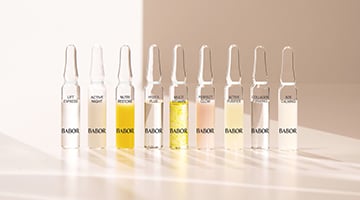
It can also help to compare product formats. A serum is generally designed as a distinct routine layer, while an ampoule is another concentrated skincare format with its own directions. Those labels alone do not tell you which product is appropriate for you. Read the instructions and compare specific formulas rather than assuming one format is always more effective. BABOR's ampoule collection provides product details for that format, and its DOCTOR BABOR range offers another collection to review by individual product.
Frequently asked questions
Is a serum with more molecular weights always better?
No. A multi-weight description can explain one part of a formula, but it does not establish that the serum is a better choice for every person. Compare full product information, texture, directions, and how the formula fits your routine.
Should hyaluronic acid serum be applied to damp skin?
Follow instructions for the specific product. Application directions can differ, so do not assume every serum should be used on damp skin. If you are unsure, check the product label or ask the brand for guidance.
Can I use a hyaluronic acid serum with a moisturizer?
Many routines place a serum before moisturizer, but product directions should guide the order. Consider the textures and use the recommended amount. If the combination feels uncomfortable or pills, simplify the layers and evaluate one product at a time.
Does a higher concentration mean a more suitable serum?
Not by itself. Concentration is only one detail and may not describe the entire formula or the way it will feel in a routine. Product directions, complete ingredient information, and your own preferences are also important.
How do I choose between a serum and an ampoule?
Compare directions, intended routine role, texture, and product details rather than choosing by format name alone. Use each product as directed, and avoid adding multiple new steps at once when you are trying to understand how your routine feels.
The best hyaluronic acid serum for your routine is the one whose disclosed formula, texture, and directions fit the way you want to care for your skin. Compare specific products carefully, introduce changes one at a time, and let the full routine-not a single technical claim-guide your choice.