When you have sensitive skin, trying a new product can feel like a gamble. The fear of redness, itchiness, or an unexpected breakout is real, and it can make building a routine feel frustrating. This is where the phrase “dermatologist tested” becomes so important. It’s not just a sticker on a box; it’s a promise of peace of mind. This label means a formula has been put through its paces under an expert’s supervision to ensure it’s gentle and well-tolerated. For anyone who has ever had a bad reaction, this extra step provides a crucial layer of confidence. We’ll explore what this testing involves and how prioritizing dermatologist tested skincare can help you build a routine that soothes, supports, and strengthens your skin.
Key Takeaways
- Know the difference between "tested" and "recommended": "Dermatologist tested" confirms a product has undergone a formal evaluation for skin safety and irritation. In contrast, "recommended" is an expert's endorsement based on their professional knowledge of ingredients.
- Look past the label and read the ingredients: A "tested" claim is a great starting point, but the ingredient list tells you if a product is right for your specific goals. Identify key actives like peptides for firming or vitamin C for brightening to make sure the formula can deliver the results you want.
- Choose tested products for performance and peace of mind: Dermatologist-tested skincare provides an extra layer of assurance, especially for sensitive skin. These products often contain potent, high-quality ingredients designed for efficacy, giving you confidence that your routine is both safe and effective.
What Does "Dermatologist Tested" Really Mean?
You’ve probably seen the phrase “dermatologist tested” on countless skincare bottles, but what does it actually mean for you and your skin? At its core, this label indicates that a product has been evaluated for its potential to cause irritation or allergic reactions. A board-certified dermatologist oversees this process, which typically involves applying the product to the skin of human volunteers to observe its effects.
This evaluation often uses a method called a Repeat Insult Patch Test (RIPT), where a product is applied to the same patch of skin multiple times over several weeks. This helps determine if the formula is likely to cause a reaction with continued use. Seeing this claim on a package is a good sign, as it shows a brand has taken the extra step to invest in safety and tolerability testing under an expert’s supervision. It’s a baseline check to ensure the product is generally gentle on the skin.
However, it’s important to know that "dermatologist tested" isn't a regulated term. It doesn't tell you the results of the test, how many people participated, or if the product was tested for anything beyond basic irritation, like its effectiveness for acne or fine lines. Think of it as a strong starting point. It confirms a level of safety, but it’s just one piece of the puzzle when choosing the right skincare products for your specific goals.
Dermatologist Tested vs. Dermatologist Recommended: What's the Difference?
You’ve seen these phrases on countless skincare products, but what do they actually mean for you and your skin? While they sound similar, there’s a key distinction between a product that is "dermatologist tested" and one that is "dermatologist recommended." Understanding this difference helps you make more informed choices for your routine.
When a product is labeled dermatologist tested, it means a dermatologist has supervised a clinical test to evaluate how skin reacts to it. This process often involves applying the product to human volunteers to check for potential irritation or allergic reactions. It’s a hands-on assessment to verify that a product is generally safe and well-tolerated. This label indicates that the brand has invested in a formal evaluation of its product's safety profile.
On the other hand, dermatologist recommended is an endorsement. This means that one or more dermatologists would suggest the product, likely based on their expert knowledge of its ingredients and their experience with patients who have similar skin concerns. While it’s a valuable vote of confidence, it doesn’t necessarily mean a formal study was conducted on that specific product.
So, what’s the bottom line? "Tested" points to a specific scientific evaluation for safety and skin tolerance, while "recommended" is an expert’s stamp of approval. For those seeking high-performance skincare, products that undergo rigorous testing provide an extra layer of assurance. At BABOR, we rely on expert-led science to create our precision formulas, ensuring they meet the highest standards for both efficacy and skin compatibility.
Which Skincare Products Are Dermatologist Tested?
When you’re building a skincare routine, every single step matters. From the face wash you start your day with to the targeted treatment you apply before bed, each product plays a role in your skin’s health. That’s why you’ll find dermatologist-tested options across every category of skincare. This isn’t a label reserved just for intense treatments or products for sensitive skin; it’s a standard that can apply to your entire regimen.
Think of it as creating a complete system where every product is vetted for skin tolerance. This ensures that the formulas are not only effective but also work well together without causing irritation. A dermatologist-tested cleanser prepares your skin by gently removing impurities, allowing your serum to penetrate more effectively. A tested moisturizer then locks in hydration and supports your skin barrier, while a reliable sunscreen provides the essential final layer of protection. By choosing products that have been reviewed by skin experts, you’re building a routine that is cohesive, reliable, and designed to deliver results you can see and feel. It’s about taking the guesswork out of your daily care and trusting that each step is a step in the right direction.
Cleansers and Face Washes
Your cleanser is the foundation of your entire skincare routine, so it’s a great place to start with dermatologist-tested products. The right one does more than just remove makeup and grime; it sets the stage for everything that follows. A poorly formulated cleanser can strip your skin’s natural moisture barrier, leading to irritation and making it harder for your other products to work effectively. Dermatologist-tested cleansers are specifically evaluated to ensure they clean your skin thoroughly without causing undue dryness or sensitivity. Whether you need a foaming wash to manage oil or a creamy, hydrating formula for dry skin, choosing a tested option gives you confidence that you’re starting your routine on the right foot.
Moisturizers and Hydrators
A great moisturizer is essential for maintaining a healthy, resilient skin barrier. This is the product responsible for locking in hydration and protecting your skin from environmental stressors. When a moisturizer is dermatologist-tested, it has been assessed to ensure it provides effective hydration without clogging pores or triggering irritation. These formulas are often created with sensitive skin in mind, focusing on ingredients that soothe and support the skin. Using a dermatologist-tested moisturizer daily helps keep your skin balanced, plump, and comfortable, creating a smooth canvas for makeup and ensuring your skin stays hydrated all day long. It’s a simple but powerful step for long-term skin health.
Sunscreens
Dermatologists will tell you that daily sunscreen is the single most important thing you can do for your skin’s health and appearance. It protects you from sun damage that causes premature aging and increases the risk of skin cancer. Dermatologist-tested sunscreens are verified for their sun protection factor (SPF) and are often formulated to be gentle and cosmetically elegant. According to the American Academy of Dermatology, you should look for broad-spectrum protection of SPF 30 or higher. Tested formulas are frequently lightweight, non-greasy, and designed not to clog pores, making them ideal for wearing every day, even under makeup. This makes daily protection an easy and pleasant habit to maintain.
Serums and Treatments
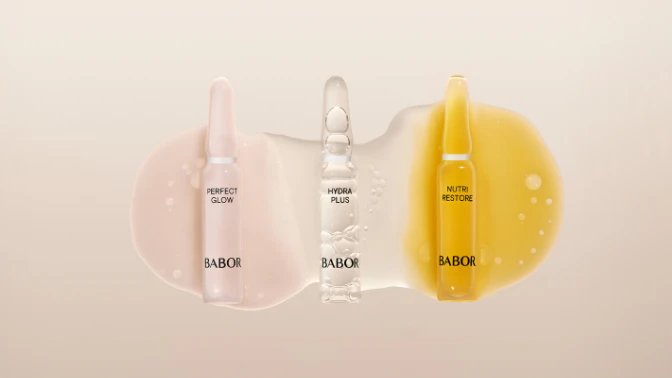
Serums and treatments are where you’ll often find the most potent, concentrated ingredients designed to address specific concerns like fine lines, dark spots, or loss of firmness. Because these products are so powerful, it’s especially reassuring when they are dermatologist-tested. This testing helps confirm that the active ingredients can deliver visible results without causing unwanted reactions. Whether it’s a vitamin C serum to brighten your complexion or a peptide-rich ampoule to smooth skin texture, a dermatologist-tested formula gives you an extra layer of trust. You can feel confident applying these targeted serums and treatments, knowing they’ve been carefully evaluated for both performance and skin tolerance.
Why Trust BABOR's Dermatologist-Tested Skincare
When you see "dermatologist-tested" on a BABOR product, it represents a deep-seated commitment to skin health that goes far beyond a simple label. Our heritage is rooted in scientific precision, with every product developed in Germany by a team of dedicated scientists and skincare experts. This collaborative approach ensures that our skincare is not only luxurious but also highly effective, delivering professional-level results. Our DOCTOR BABOR collection is a perfect example of this philosophy, offering high-performance solutions that bridge the gap between cosmetics and medicine.
This rigorous testing process is fundamental to our brand. It’s how we verify that our potent, nature-based active ingredients perform exactly as intended without causing irritation. For us, dermatologist testing is a critical step to confirm both the safety and the efficacy of every serum, cream, and ampoule we create. It’s a promise that the product you’re holding has been meticulously evaluated to meet the highest standards of quality. This dedication is why so many of our products have become customer favorites and best sellers year after year.
Ultimately, our goal is to give you complete confidence in your skincare routine. Choosing BABOR means you are selecting products backed by decades of research and validated by skin health professionals. Whether you are looking to address specific concerns like dehydration and loss of firmness or simply want to maintain a vibrant, healthy-looking complexion, you can trust that our products are designed to deliver visible, lasting improvements. You can explore our full range of expert skincare to find the perfect match for your skin's unique needs.
Key Ingredients to Look for in Your Products
When you’re standing in front of a wall of skincare, the ingredient lists can feel a little intimidating. But knowing which key ingredients target your specific concerns is the secret to building a routine that delivers real results. Think of it as learning a new language, one that helps you communicate directly with your skin. Once you know what to look for, you can confidently select products designed to address everything from breakouts to fine lines, ensuring every step in your routine is working for you.
To Address Acne: Salicylic Acid & Benzoyl Peroxide
If you’re dealing with breakouts, salicylic acid and benzoyl peroxide are two of the most effective ingredients to look for. Salicylic acid, a beta-hydroxy acid (BHA), is brilliant at getting deep into your pores to dissolve the oil and dead skin cells that lead to blemishes. Benzoyl peroxide works by targeting the bacteria that contribute to acne. Both ingredients help reduce inflammation and clear congestion, leading to smoother, clearer skin. When incorporated into targeted treatments, they can make a significant difference in managing acne-prone skin. You can find these powerful ingredients in specialized collections like DOCTOR BABOR, which offers precision skincare for common concerns.
To Target Aging: Retinol & Peptides
For those looking to address signs of aging, retinol and peptides are true skincare superstars. Retinol, a derivative of vitamin A, is celebrated for its ability to accelerate skin cell turnover, which helps soften the appearance of fine lines, wrinkles, and uneven texture. Peptides are short chains of amino acids that act as building blocks for proteins like collagen and elastin. Including peptide-rich serums in your routine can help support skin’s firmness and elasticity. Together, these ingredients form a powerful duo for promoting a smoother, more youthful-looking complexion over time.
To Hydrate Skin: Hyaluronic Acid & Ceramides
Proper hydration is the foundation of healthy, glowing skin, and hyaluronic acid and ceramides are essential for achieving it. Hyaluronic acid is a humectant, which means it draws moisture from the air and holds it in your skin, leaving it looking plump and dewy. Ceramides are lipids that are naturally found in your skin and are crucial for maintaining a strong skin barrier. This barrier locks moisture in and keeps irritants out. When you use moisturizers with both ingredients, you’re not just adding hydration; you’re helping your skin hold onto it for longer.
To Soothe Sensitive Skin: Niacinamide
If you have sensitive skin that’s prone to redness and irritation, niacinamide is an ingredient you’ll want to get to know. Also known as vitamin B3, niacinamide is a gentle yet effective multitasker. It helps strengthen the skin’s natural barrier, which can reduce sensitivity over time. It’s also known for its calming properties, helping to visibly reduce redness and soothe discomfort. Because it’s so versatile, you can find it in a range of products, from serums to creams, making it an easy addition to any routine designed to support and comfort reactive skin.
To Brighten Skin: Vitamin C & AHAs
To achieve a brighter, more radiant complexion, look for products containing Vitamin C and alpha-hydroxy acids (AHAs). Vitamin C is a potent antioxidant that helps protect your skin from environmental stressors while also working to fade the appearance of dark spots and even out your skin tone. AHAs, such as glycolic and lactic acid, work by gently exfoliating the surface of the skin, sloughing away dull, dead cells to reveal the fresher, brighter skin underneath. You can often find these ingredients in concentrated treatments like Ampoules, which deliver a high-potency dose for an instant glow.
How to Choose the Right Products for Your Skin Type
Understanding your skin is the first step toward building a routine that delivers real results. While we all have unique skin, most of us fall into a few key categories. Once you identify your type, you can select products with ingredients that directly address your specific needs, whether that’s calming irritation, managing oil, or smoothing fine lines. Let’s walk through the best approach for each one.
For Sensitive and Reactive Skin
If your skin is easily irritated, your main goal is to soothe and strengthen it. Look for gentle products that are free from common irritants like strong fragrances or harsh chemicals. The right routine will help maintain your skin's natural barrier, not strip it away. When in doubt, choose products specifically labeled for sensitive skin, as they are designed to minimize redness and reactivity. Our DOCTOR BABOR collection offers precision care formulated to be gentle yet effective, making it a great place to start your search.
For Oily and Acne-Prone Skin
For those with oily or acne-prone skin, the key is finding a balance. You want to manage excess oil and treat breakouts without over-drying your skin. Look for active ingredients like salicylic acid, which helps clear pores, and niacinamide, which can help regulate oil production and improve skin texture. Incorporating targeted serums with these ingredients can make a significant difference in clarifying your complexion and preventing future blemishes. A consistent routine with the right actives will help you achieve clearer, more balanced skin.
For Dry and Dehydrated Skin
If your skin often feels tight, flaky, or rough, your focus should be on hydration and nourishment. Start with a gentle cleanser that won’t strip away your skin’s natural moisture. Then, layer on products rich in hydrating ingredients like Hyaluronic Acid and Ceramides, which help replenish moisture and support your skin barrier. These ingredients are essential for restoring hydration and giving your skin a smooth, plump appearance. A high-performance moisturizer is non-negotiable for keeping dryness at bay throughout the day.
For Mature Skin
For mature skin, your routine should focus on addressing concerns like fine lines, wrinkles, and a loss of firmness. Ingredients like Retinol and Peptides are powerhouses in this category. They work by encouraging cell turnover and supporting collagen production, which helps improve skin’s elasticity and texture over time. Look for potent, scientifically backed products that contain effective concentrations of these ingredients. The high-performance formulas in our DOCTOR BABOR line are designed to deliver visible results for aging concerns.
How to Shop for Dermatologist-Tested Skincare
Walking down the skincare aisle can feel overwhelming, but knowing how to shop for dermatologist-tested products can make all the difference. It’s about moving past the marketing claims on the front of the bottle and learning to be a savvy consumer. By understanding what testing standards mean, how to read an ingredient list, and what a high-quality product looks like, you can confidently choose skincare that truly supports your skin’s health and helps you reach your goals. Think of it as building a toolkit for making smarter, more effective choices for your routine.
Decode Testing Standards
First, let’s clarify what "dermatologist tested" actually means. This label indicates that a product has been evaluated by a dermatologist for safety and its potential to cause irritation. The process often involves human volunteers and methods like patch testing to see how skin reacts to the new product. However, the term isn't standardized, so the rigor of these tests can vary from one brand to another. Your best bet is to look for brands that are transparent about their testing processes. This claim is a great starting point, but it’s the first step, not the last, in choosing your skincare.
Read Product Labels and Ingredient Lists
The real story of any skincare product is told on its ingredient list. A "dermatologist tested" sticker is reassuring, but the ingredients will tell you if the product is right for your specific skin concerns. For instance, if you have oily skin, you might look for a foaming face wash that helps manage excess oil without stripping your skin. If your skin is dry or sensitive, gentle, hydrating cleansers that protect your natural moisture barrier are a much better fit. Taking a moment to scan the label for key ingredients helps you match the product to your personal needs.
Identify High-Quality Formulations
Professional-grade skincare, the kind often recommended by dermatologists and estheticians, is defined by its powerful, high-quality ingredients. These are the products built to deliver visible results. When you’re shopping, look for proven ingredients like Hyaluronic Acid for hydration, Peptides for firming, Vitamin C for brightening, and Retinol for skin renewal. You’ll find these potent actives in expertly crafted serums and treatments. Lines like DOCTOR BABOR are developed with this precision in mind, creating advanced products that bring clinical-level care into your home routine.
Build Your Dermatologist-Tested Skincare Routine
Putting together a skincare routine can feel like a big project, but it’s really about consistency and finding what works for you. A solid routine doesn’t need to be complicated. It just needs to cover the fundamentals of cleansing, treating, moisturizing, and protecting your skin. By starting with the basics and introducing new products thoughtfully, you can create a personalized regimen that helps you reach your skin goals. Think of it as a daily ritual of self-care that supports your skin’s health day and night.
Your Morning Routine
Your morning routine sets the stage for the day by preparing and protecting your skin. A great basic framework includes four steps: cleansing, treating, moisturizing, and applying sunscreen. Start by washing your face to remove any impurities from overnight. The type of cleanser you use matters; foaming washes can help manage excess oil, while gentle, hydrating cleansers are better for dry or sensitive skin. Next, apply a treatment like a Vitamin C serum to protect against environmental stressors. Follow that with a moisturizer to lock in hydration, and always finish with a broad-spectrum sunscreen to shield your skin from UV damage.
Your Evening Routine
Your evening routine is all about repair and recovery. While you sleep, your skin works to regenerate, and the right products can support that process. Always begin by cleansing your face to wash away makeup, dirt, and pollutants from the day. After cleansing, it’s important to apply a moisturizer to keep your skin balanced and hydrated. If you’re looking to introduce a new product, like a potent serum or one of our Ampoule Concentrates, the evening is a great time to do it. Just remember to add new products one at a time, giving your skin a few weeks to adjust before adding something else. This helps you see what’s working and prevents overwhelming your skin.
How to Add Weekly Treatments
Once you have your daily routine down, you can incorporate weekly treatments to address specific concerns. These products often contain powerful ingredients like Hyaluronic Acid for hydration, peptides for firming, or Glycolic Acid for exfoliation. For example, a targeted mask or a high-potency serum from a cosmeceutical line like DOCTOR BABOR can make a noticeable difference. When selecting these treatments, check the ingredient list for what’s not in them, too. Looking for products without harsh chemicals, parabens, or synthetic fragrances can help minimize the risk of irritation, especially if you have sensitive skin. Adding a weekly treatment is a great way to give your skin some extra attention.
Are Dermatologist-Tested Products Worth It?
So, you see the "dermatologist-tested" label on a product. Is it just marketing jargon, or does it actually mean something for your skin? The short answer is yes, these products are absolutely worth considering, especially if you have sensitive skin or specific concerns you want to address. It’s a sign that the formula has been carefully vetted for safety and tolerance, giving you an extra layer of confidence before you apply it.
When a product is dermatologist-tested, it means it has gone through a rigorous evaluation by a skin expert to check for potential irritation or allergic reactions. This process often involves patch testing on human volunteers to ensure the formula is gentle and safe for most skin types. For anyone who has ever dealt with redness, itchiness, or breakouts from a new product, this assurance provides incredible peace of mind. It’s a proactive step brands take to minimize adverse reactions.
Beyond safety, these products are often formulated with higher concentrations of powerful, active ingredients. This means they are designed not just to feel nice, but to deliver visible results. Whether you're targeting fine lines, persistent acne, or dark spots, a dermatologist-tested product is more likely to contain the effective ingredients needed to make a real difference. For example, our DOCTOR BABOR collection is built on this principle of precision and performance.
While the claim itself is valuable, it's also wise to choose products from brands that are transparent about their science and testing. A reputable brand will stand behind its formulas, giving you the confidence that you're investing in skincare that is not only luxurious but also genuinely effective and backed by experts.
Related Articles
Frequently Asked Questions
Does "dermatologist tested" guarantee a product will work for my specific skin concerns? Not exactly. The "dermatologist tested" label primarily confirms that a product has been evaluated for its potential to cause irritation or allergic reactions. Think of it as a safety check. While this is a crucial step, it doesn't measure how effective the product is for targeting things like fine lines or dark spots. To find a product that works for your goals, you still need to look at the ingredient list for proven actives that address your specific needs.
Which is better: a product that is "dermatologist tested" or one that is "dermatologist recommended"? They aren't better or worse, they just mean different things. "Dermatologist tested" indicates a product has undergone a formal evaluation for skin tolerance, supervised by a dermatologist. It’s a scientific process. "Dermatologist recommended" is an expert endorsement, meaning a dermatologist would suggest it based on their knowledge of the ingredients and patient experience. A tested product gives you concrete evidence of its safety profile, which provides a strong foundation of trust.
Should I avoid products that aren't labeled as "dermatologist tested"? Not necessarily. Many wonderful products on the market may not carry this specific claim. However, seeing the label provides an extra layer of assurance that the brand has invested in a formal safety and tolerability review. It’s particularly reassuring if you have sensitive skin or are trying a product with powerful active ingredients for the first time. It’s a good indicator of a brand's commitment to quality.
My skin is very reactive. What else should I look for besides this label? If you have sensitive skin, the "dermatologist tested" label is a great starting point, but you should also become a bit of an ingredient detective. Look for formulas with soothing ingredients like niacinamide and avoid common triggers like heavy synthetic fragrances. It's also always a good idea to patch test any new product on a small, discreet area of skin (like your inner arm) before applying it to your entire face.
Why is this testing especially important for products like serums and ampoules? Serums, treatments, and ampoules are formulated with high concentrations of active ingredients designed to deliver powerful results. Because these formulas are so potent, it’s incredibly important to ensure they can perform effectively without causing irritation. When these types of products are dermatologist-tested, it confirms that the powerful ingredients have been carefully balanced for both performance and skin compatibility, giving you confidence in their strength and safety.