Are Dermatologist Recommended Skincare Brands Worth It?
Are dermatologist recommended skincare brands worth it? They can be, when the recommendation reflects evidence, thoughtful formulation, and a clear match for your skin goals. The label alone is not a guarantee. The better question is whether a brand explains what its products are designed to do, supports responsible use, and helps you build a consistent routine.
Explore BABOR's professional skincare collections
Are dermatologist recommended skincare brands worth it?
Direct answer: Dermatologist recommended skincare brands are worth considering when they pair relevant ingredients with product-specific evidence, clear directions, and a routine that suits your skin. They are not automatically better because of a professional-sounding label. Your skin concern, tolerance, consistency, and access to expert advice matter just as much.
A dermatologist's recommendation can be useful because it narrows an overwhelming field. It may point you toward products with a sensible purpose, a tolerable routine, or ingredients that have been studied for a particular concern. It should not replace a personal evaluation of your skin or turn a cosmetic product into a treatment claim.
For example, the American Academy of Dermatology's guidance on selecting anti-aging products emphasizes practical foundations such as sunscreen, moisturizer, skin type, realistic expectations, and introducing products thoughtfully. That is a more useful standard than choosing a brand only because its packaging looks clinical.
What does dermatologist recommended really mean?
Direct answer: "Dermatologist recommended" usually describes expert guidance, not a universal certification. A recommendation may be based on a dermatologist's experience, a product's ingredients and tolerability, or its fit for a patient's concern. Always check the basis for the claim, because professional support and product performance are not the same thing.
Look for the distinction between these terms:
- Dermatologist recommended: a qualified professional recommends a product or category for a defined use or skin concern.
- Dermatologist tested: a product has been evaluated in a dermatological testing process. The phrase does not explain the study design or promise a particular result.
- Professional skincare: a brand is developed for, distributed through, or used by trained skincare professionals. This speaks to the brand's channel and expertise, not an automatic medical outcome.
- Evidence-informed: the brand explains why an ingredient, delivery system, or routine is used and provides appropriate supporting information.
The U.S. Food and Drug Administration's overview of cosmetic labeling claims is a useful reminder to read claims in context. A polished phrase on a carton cannot tell you how a product will fit your skin, how to introduce it, or whether the formula is right for your goals.
What should you look for in a dermatologist recommended skincare brand?
Direct answer: Evaluate a brand across five areas: purpose, evidence, tolerability, transparency, and routine fit. The strongest dermatologist recommended skincare brands make it easy to understand who a product is for, how it should be used, what results are realistic, and when a professional consultation is appropriate.
1. A clear skin concern and product purpose
Start with the concern rather than the brand name. Do you want to support the look of firmness, improve the appearance of uneven tone, maintain hydration, or simplify a sensitive-skin routine? A product page should explain its intended role without promising to solve every concern at once.
2. Ingredient and formula transparency
Read the ingredient list and the brand's explanation of the formula. Useful information includes the function of highlighted ingredients, the product's texture, directions, and any relevant usage cautions. A transparent brand helps you compare a serum, moisturizer, concentrate, or cleansing product by role instead of asking you to buy an entire routine without context.
3. Responsible expectations
Skincare works through repeated use and routine consistency. Be cautious of language that promises an overnight transformation or suggests one formula can replace professional care. The AAD also advises introducing products carefully and focusing on one primary concern at a time, particularly when a routine contains multiple active ingredients.
4. Tolerability and skin compatibility
Even a well-designed product can be unsuitable for an individual. If your skin is reactive, introduce one new product at a time and follow the directions. The AAD's guidance on testing skincare products explains how a cautious test can help identify irritation before a product becomes part of your full routine. Stop using a product if you develop a concerning reaction and seek medical advice when needed.
5. Access to qualified guidance
A brand becomes more valuable when it supports informed choices. That may include an ingredient glossary, routine education, trained esthetician support, or a clear path to a skincare professional. Guidance is especially useful when you are combining several products or trying to address a persistent concern.
Which types of skincare brands do dermatologists recommend?
Direct answer: Dermatologists may recommend different types of skincare brands depending on a person's skin, concern, tolerance, lifestyle, and access to care. There is no single best brand for everyone. The useful comparison is how each brand type supports evidence, product selection, professional guidance, and everyday consistency.
| Brand type | Why it may appeal | What to verify |
|---|---|---|
| Dermatology-led | Focused education and products built around defined skin concerns | The specific evidence, directions, and suitability for your skin |
| Professional skincare | Connection to estheticians, spa protocols, and personalized routine guidance | How products are used at home and whether professional support is available |
| Luxury science-led | Advanced textures, concentrated formats, and a sensorial routine | Formula purpose, active ingredients, testing information, and realistic results |
| Broad retail | Convenient access and a wide range of basic routine products | Whether the product is suited to your concern and skin tolerance |
The right choice can sit in any of these groups. What matters is the relationship between the formula, the claim, and your routine. A well-chosen moisturizer used consistently may be more useful than a complex collection that you cannot tolerate or do not enjoy using.
Are professional skincare brands worth the investment?
Direct answer: Professional skincare brands can be worth the investment when their formulation, education, and service model solve a real need for you. The value is not simply a higher price or more concentrated language. It is the combination of purposeful products, expert support, quality standards, and a routine you can use consistently.
Professional brands often organize products by concern, skin type, treatment step, or professional protocol. That structure can help you make a more precise choice. It can also make a consultation more useful because the conversation starts with your skin goals rather than a trend.
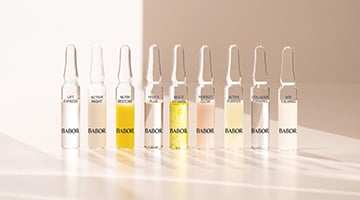
For shoppers who want a targeted format, BABOR's Ampoule Concentrates collection offers a way to explore single-dose, highly concentrated skincare treatments within a defined routine. For daily support, the BABOR serum collection and moisturizer collection provide different routine roles rather than asking one product to do everything.
That does not mean every professional product is right for every person. Ask what the product is designed to do, how often to use it, what it can be layered with, and whether you need professional guidance. Paying for a more specialized format only makes sense when it improves the fit of your routine.
Discover BABOR Ampoule Concentrates for targeted skincare
Why is BABOR part of the professional skincare conversation?
Direct answer: BABOR brings a professional, science-led point of view to skincare through its German heritage, Made in Germany production, ampoule technology, and long-standing relationships with skincare professionals. Founded in 1956, BABOR combines luxury textures and targeted routines with education designed to help people choose products by skin goal.
BABOR's distinction is not that one product is universally right for everyone. It is the brand's approach to professional skincare: identify the concern, choose a suitable product format, and build a routine that supports consistent use. Its signature ampoule technology is particularly relevant for shoppers looking for a concentrated, single-dose treatment format.
The DOCTOR BABOR collection gives shoppers another route into targeted skincare, with products organized around professional-inspired concerns and routines. BABOR also emphasizes more than 70 years of German skincare science and is recognized as the #1 Professional Skincare Brand in the EU in the 2024 Kline study. These are authority signals, but your own product selection should still be based on skin goals, formula details, and professional advice where appropriate.
Beauty professionals can explore BABOR's professional education and partner pathways through the BABOR professionals page. For shoppers, the benefit is a brand ecosystem that connects products with expertise rather than treating skincare as a one-size-fits-all purchase.
How do you choose the right routine?
Direct answer: Choose a dermatologist recommended skincare routine by defining one primary concern, selecting a small number of compatible products, introducing them gradually, and reviewing your skin's response. Begin with foundational steps, then add a targeted serum or concentrate when you know what role it serves.
- Define your priority. Choose one main goal, such as hydration, visible firmness, radiance, or comfort.
- Build the foundation. Use a cleansing product, moisturizer, and daily broad-spectrum sunscreen appropriate for your skin and lifestyle.
- Add one targeted step. Select a serum or concentrate that has a clear purpose and instructions you can follow.
- Introduce it thoughtfully. Avoid changing several products at once, so you can understand how your skin responds.
- Ask for guidance when needed. Consult a dermatologist for persistent or medically concerning symptoms, and speak with a skincare professional when you want help building a cosmetic routine.
Simple does not mean ineffective. A routine that is easy to understand and pleasant to use has a better chance of becoming a lasting habit. The most helpful brand is the one that makes that process clearer.
Frequently asked questions
What skincare brands do dermatologists recommend most often?
Recommendations vary by skin concern, medical history, product tolerance, and the dermatologist's clinical judgment. Rather than choosing a universal winner, look for brands that explain their ingredients, directions, testing, and realistic use cases. A consultation can help narrow options for persistent or complex concerns.
Is dermatologist recommended the same as dermatologist tested?
No. Dermatologist tested describes an evaluation process, while dermatologist recommended describes professional guidance or endorsement. Neither phrase alone tells you whether a product will suit your skin. Review the product's purpose, directions, evidence, and compatibility with the rest of your routine.
Are professional skincare products better than retail products?
Not automatically. Professional skincare may offer specialized formats, trained guidance, or treatment-oriented routines, while retail products may be convenient for foundational care. The best choice is the one that fits your concern, skin tolerance, lifestyle, and ability to use it consistently.
How many products should a skincare routine include?
There is no fixed number. Start with a manageable foundation and add one targeted product when you understand its role. Introducing products gradually makes it easier to identify irritation and decide whether a new step is helping your routine.
When should I see a dermatologist instead of changing products?
Seek professional medical advice for persistent, painful, rapidly changing, or concerning skin symptoms. A dermatologist can evaluate conditions that cosmetic skincare is not intended to diagnose or treat. For routine selection and product education, a qualified skincare professional can provide a separate cosmetic perspective.
Explore the DOCTOR BABOR approach to targeted skincare
In the end, dermatologist recommended skincare brands are most valuable when they help you make a better-informed choice. Look past the label, match the routine to your skin, and choose products supported by clear education, responsible claims, and professional expertise.