Choosing a professional skincare line for estheticians is a decision about more than the products on a treatment-room shelf. The right fit should support the services you provide, make protocols practical to deliver, and give clients a clear way to continue their routine at home. Start by comparing treatment needs, product range, education, operating requirements, and the quality of the client experience.
Explore BABOR's skincare adviser
What should a professional line do for a treatment room?
A professional range needs to work across the full appointment, from the first conversation through the final recommendation. A facial may include steps such as removing surface residue, exfoliation, moisturizing, and other elements selected for the person's skin type, as the Cleveland Clinic explains in its overview of facials. In practice, that means the products and protocol should make sense together rather than being a collection of isolated favorites.
Think of the treatment room as a system. A guest arrives with a goal and a history; the esthetician assesses what is appropriate within their training and service scope; each product has a defined place in the protocol; and the guest leaves with simple next steps. A line that supports this sequence can help make service delivery more consistent without making every appointment feel identical.
It is helpful to distinguish a treatment-room range from a brand's wider consumer assortment. The spa needs to know which products are intended for professional use, which are recommended for home routines, and which protocols apply to each. Confirm these distinctions in current brand materials. Product names or packaging alone do not establish how an item should be used in a service.
Also consider the rhythm of an appointment. A product may suit a treatment goal but add a step that does not fit the time available or the way the service is designed. Map the sequence against the appointment length, including consultation and finishing time. The purpose is not to make every facial identical; it is to ensure that the chosen products can be used thoughtfully within the service the guest booked.
Finally, define what success means for your team before you compare options. That could mean staff can explain each step, the core menu has a documented product pathway, or guests receive a clear and manageable home-care explanation. These are operational measures, not promises about an individual skin outcome. Write them down so that a later review can assess whether the range is serving the practice as intended.
Consistency does not mean using the same regimen for every person. It means that the team understands what each step is for, what can be adjusted, and when to pause or refer a concern to a qualified healthcare professional. The treatment plan should reflect the client's needs, the products' directions, and the esthetician's scope of practice.
How do you match a range to your services?
Begin with the services already on your menu, not a catalog of products. List the treatments you perform most often, the concerns clients commonly bring up, and the steps that are difficult to support with the products you currently have. This turns a broad buying decision into a practical assessment of coverage.
- Map treatment steps. Note the product types needed for preparation, exfoliation when appropriate, masks or targeted care, hydration, and finishing.
- Identify service priorities. Separate everyday facials from specialized or seasonal services, and mark any protocols that require extra training or cautious screening.
- Look for gaps. Consider whether the current selection offers suitable textures, formats, or options for different client preferences and appointment lengths.
- Connect the room to home care. Ask whether a guest can understand a manageable routine that supports the treatment experience without requiring an unnecessarily large regimen.
Then compare the range with your actual service menu. A wide assortment is useful only if it helps address real treatment needs. A smaller, well-understood selection may be easier for a team to use consistently, while a broader range may offer more flexibility for varied services. The important question is whether each category has a clear role in your room.
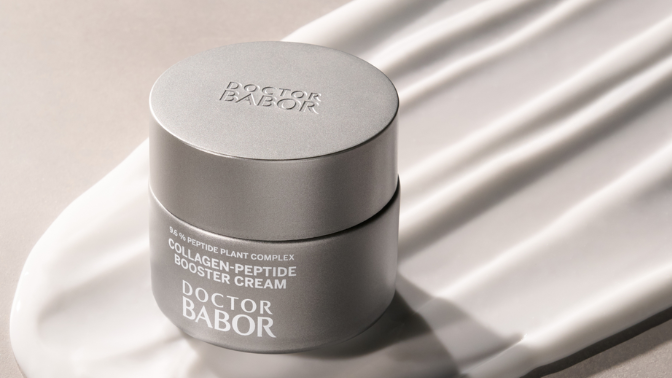
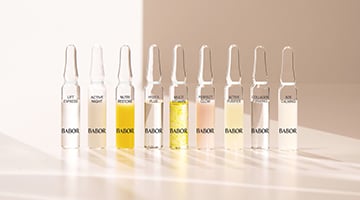
Make product mapping explicit. For example, BABOR identifies DOCTOR BABOR PRO as a professional-exclusive line, while its Ampoule Concentrates are signature seven-day treatments. Those are distinct product roles; do not assume that every item in a consumer-facing collection is intended for every professional protocol. Confirm the current directions, availability, and suitability of specific products through authorized BABOR information and training.
For an overview of the brand's broader assortment, review the BABOR product selection. Use the ingredient information to understand how product descriptions identify key components, then consult official product directions before adding any item to a service.
What should you compare before selecting a line?
Use the same criteria for every option under consideration. This helps the team evaluate not only product variety, but also how the range will function in real appointments. The four-column comparison below is a starting framework; fill it in with details verified directly with each brand.
| Decision area | What to examine | Questions for the team | Evidence to request |
|---|---|---|---|
| Protocol coverage | Products and steps needed for your core services | Can the range support each menu treatment without improvised pairings? | Current professional protocol, product directions, and service mapping |
| Client fit | Options for different preferences, sensitivities, and skin presentations | How does the esthetician select or adapt a treatment appropriately? | Use guidance, cautions, and a clear process for referring concerns |
| Education | Training for product knowledge and treatment procedures | Can new and experienced team members learn the system? | Training outline, access details, and updated reference materials |
| Room operations | Formats, storage, ordering, and product use during services | Will the team be able to follow directions and manage stock? | Packaging information, usage directions, and ordering terms |
| Home-care continuity | Products that make sense alongside the service | Can the guest leave with a concise, understandable routine? | At-home instructions and product information for guests |
Do not treat a brand's claims as a substitute for this review. Ask for the documentation that supports the claims relevant to your decision, and distinguish product description from evidence about a particular result. Be especially careful with claims that sound clinical or promise a specific outcome. Keep explanations measured, and make sure service language reflects the actual product directions and your professional scope.
How important are protocols and education?
Products alone do not create a dependable service. A protocol should describe the sequence, application method, timing where applicable, and any cautions or exclusions. It should also help the esthetician understand which steps are fixed and which can be adjusted in line with the client's needs and the treatment goal.
Before adopting a line, find out what education is available and how it is delivered. Ask whether the materials cover product knowledge as well as the practical treatment sequence. Clarify who can access education, whether new team members can be onboarded, and how the team will receive updated directions. Do not assume that informal product familiarity is a substitute for training on a professional service.
Useful education should help staff explain choices in plain language. A client may want to know why a step is included, what the product is intended to do, and what to expect after the appointment. The answer should be specific but not overstated. If a client raises a medical concern, the esthetician should not diagnose it; they can explain the limits of the service and recommend consultation with an appropriate healthcare professional.
Ask for a sample protocol and use it as a training exercise. Have team members identify each product's role, the transition between steps, and the points at which client feedback matters. This reveals whether the instructions are clear enough to use on a busy day. It can also highlight where your spa needs a written intake, consent, or follow-up process.
How can the range support a thoughtful client journey?
The treatment-room experience includes what happens before and after the facial. A concise consultation helps the esthetician understand the client's routine, preferences, and immediate goals. It is also an opportunity to discuss relevant sensitivities and past experiences. Record only information your business needs, handle it according to your privacy practices, and use it to make an appropriate service decision.
During the appointment, explain transitions before they happen. Tell the client what the next step is and invite them to share discomfort or concerns. This simple habit makes the service feel considered and gives the esthetician a chance to respond. Follow the product directions and the spa's safety procedures rather than improvising based on a marketing description.
At the end, offer a short, practical home-care plan. Clients are more likely to understand a few clear steps than a long list of unfamiliar products. Explain how the recommended items fit into their existing routine, when to use them according to product directions, and what questions should prompt them to pause and seek advice. Do not imply that a retail purchase is required to benefit from the service.
The range should make this conversation easier. A coherent collection, supported by understandable product information, lets an esthetician explain how treatment-room choices relate to home care without implying that a product replaces professional medical advice. BABOR's sets and routines can be reviewed as one way to see how products are grouped for at-home use; assess each set against the client's needs and official directions before recommending it.
Which operational details deserve attention?
A line can look compelling and still be difficult to operate. Confirm practical details before committing to a service change. Ask how products are ordered, what formats are available, how storage requirements are described, and how the team can check current directions. Establish a process for monitoring stock so that a treatment is not built around an item that is unavailable.
Consider product use across a typical week. Estimate the number of appointments that use a particular step, then ask the supplier for the information needed to plan ordering. Avoid assuming that a product's retail size, professional size, or usage rate will suit your practice. Verify the details rather than relying on a general brand overview.
Evaluate packaging and workflow from the perspective of the treatment room. Can staff identify the product quickly? Is the amount needed easy to dispense according to its directions? Can the team maintain an orderly, hygienic work area while moving between steps? These questions are practical, but they also affect how smoothly a service feels to the guest.
Finally, confirm who can provide support when a team member has a product or protocol question. A clear point of contact and accessible materials can matter as much as the initial education. BABOR provides information about its professional channel through its professional partner information page; review the current terms and details directly rather than assuming they apply uniformly to every business.
Build a small operating checklist for each product category. Include the storage information supplied by the brand, the method staff should use to dispense the product, and the point at which the team should reorder. Decide who checks the stock and how substitutions are handled if an item is unavailable. This prevents a last-minute change from disrupting a protocol or leaving a team member uncertain about what to use.
Review the checklist after the first few weeks of use. Ask staff which directions were easy to follow, where clients needed more explanation, and whether the product flow matched the service timing. Keep the review focused on process and client communication. If you need clarification about suitability, directions, or professional access, return to the brand's current information rather than filling gaps with assumptions.
These operational checks are also useful when comparing business models. A supplier may have a broad assortment, but your spa still needs reliable information about availability, support, and the way professional products are accessed. Record these answers beside the treatment criteria, so the final decision reflects the full experience of adopting the range rather than the first product impression.
How do you compare professional lines fairly?
Use a short scorecard and apply it to every option. Rate each category against needs you have documented, not against a general impression of the brand. You may assign greater importance to protocol coverage or education than to the size of the assortment, depending on your services and team's experience.
- Set your must-haves. Write down the service steps, training requirements, product directions, and operating details that are essential for your practice.
- Request comparable information. Ask each brand for equivalent details about professional use, product roles, education, and ordering. Record what is confirmed and what still needs an answer.
- Review the client journey. Consider whether the treatment and home-care conversation can be explained in a way that is useful and not overwhelming.
- Test the workflow. If product trials or demonstrations are available through appropriate channels, evaluate them against your written criteria and the official directions.
- Make a measured decision. Select the option that best supports your actual services and operating model, then set a date to review the decision with staff feedback.
Keep the comparison focused on fit rather than making broad claims about which brand is universally best. One spa may prioritize specialist protocols; another may need straightforward education for a growing team. The right choice depends on the services offered, the client's expectations, the staff's training, and the supplier information you can verify.
For BABOR-specific product guidance, the skincare adviser offers a starting point for exploring options, while the retailer search can help locate a nearby point of sale. Use these resources to continue your research, and confirm professional access and protocol details directly before making a treatment-room decision.
Review BABOR professional partner information
Frequently asked questions
What is the difference between professional and at-home skincare?
Professional skincare is selected and used in the context of a treatment or professional setting, with product directions and practitioner training guiding its use. At-home skincare is intended for a person's routine outside the spa. Product access and directions vary, so check the manufacturer's current information rather than assuming that every item is suitable for both settings.
How many products should a spa keep in its treatment room?
There is no single number that suits every spa. Begin with products that support your core services and have a clear role in a documented protocol. Add categories when they address a real treatment need, and make sure staff can explain their use and maintain appropriate stock.
Should a treatment line include home-care products?
Home-care options can make it easier to explain how a client might continue a routine after a facial, but they should not turn into a requirement. Recommend only products that fit the client's needs, explain how to use them according to their directions, and leave room for the client's preferences and existing routine.
How should an esthetician handle a client concern outside the service scope?
Stay within your training and the scope of the service. Avoid diagnosing a condition or promising a clinical result. Explain that the spa service cannot assess the concern and encourage the client to speak with a qualified healthcare professional when appropriate.
A thoughtful selection process connects product roles, protocols, education, and day-to-day operations. By checking those elements against your actual services and client journey, you can choose a line that supports confident, consistent work in the treatment room.