A hyaluronic acid serum for hydration can be a useful step when your routine needs a lightweight layer that helps attract and retain moisture. The right choice depends on more than the ingredient name: consider the full formula, texture, how you apply it, and what you plan to layer over it. This guide focuses on those practical decisions.
Explore BABOR skincare products
What should a hyaluronic acid serum for hydration do?
Hyaluronic acid is a humectant: it attracts and holds water. As explained by Harvard Health Publishing, it is used in skin care for its moisture-attracting properties. That describes an ingredient function, not a guarantee of a particular result. The experience of a finished serum depends on its complete formula and how it fits with the rest of your routine.
A serum is usually a lightweight leave-on product intended to sit between cleansing and later skin-care steps. It can add a water-focused layer without the richer feel of some creams. The word âserum,â however, does not define one universal texture or level of hydration. Formulas vary in viscosity, slip, finish, fragrance, and the ingredients used alongside hyaluronic acid.
It helps to separate three questions:
- What is the formula like? Look at the full ingredient list and the productâs stated use, not only the featured ingredient.
- How does it feel? A fluid, gel-like, or more substantial serum may suit different preferences and routines.
- What goes around it? The steps before and after application affect how convenient and comfortable the serum feels in daily use.
Start with these questions rather than assuming that a higher concentration, a longer ingredient list, or a particular texture will suit everyone. If you are uncertain about your skin type or routine, BABORâs Skin Type Guide can help you organize your observations before comparing products.
How do texture and finish shape the choice?
Texture is one of the easiest product characteristics to assess in everyday use. A watery serum may spread quickly and feel light. A gel can have more body while still feeling fresh. A richer serum may leave a more noticeable layer. None of these formats is inherently best. The useful question is which finish works with your skinâs feel, climate, and other products.
Think about the routine you already follow. If you use several layers, a product that spreads easily and settles without a persistent tacky feel may be more comfortable. If your routine is very simple, a serum with a more substantial feel may be acceptable. If you use makeup, consider whether the serum sits comfortably under your usual daytime products. These are personal-use observations, not measures of efficacy.
When comparing textures, notice the amount needed to cover the intended area, how evenly the product spreads, and how it feels after it has settled. A serum that feels pleasant at first but interferes with the next step may not be a practical fit. Give the product enough time to settle before deciding whether the layers work together.
Do not judge a formula only by a quick swipe on the back of your hand. The face has different routines, and the amount used matters. Follow the product directions, apply a modest amount, and observe its feel as part of your usual sequence. If the formula pills when layered, try adjusting the amount or allowing more time between steps before deciding it is unsuitable.
It can help to assess the serum under the conditions in which you actually plan to use it. A morning routine under sunscreen has different layering demands from a short evening routine. Consider whether you are applying it after a shower, before makeup, or alongside several leave-on products. Keep the rest of the routine consistent as you observe the serum. A brief note about amount, settling time, comfort, and how the next layer applies can make comparison more reliable than memory alone. If you change multiple steps at once, it becomes harder to tell which adjustment affected the overall feel.
Which formula details are worth comparing?
The front label can make the featured ingredient easy to spot, but it tells only part of the story. Review the product directions, ingredient list, texture description, and any stated fragrance information. Consider whether the formula is designed as a simple hydration step or combines that role with other cosmetic functions. Avoid assuming that a larger number of named ingredients means a better match for your needs.
Molecular weight is sometimes discussed in relation to hyaluronic acid. A formula may feature one type or a combination of forms. BABOR describes its proprietary 10D Hyaluronic Acid as using 10 molecular weights. That formulation detail explains the brandâs approach; it should not be treated by itself as proof of a guaranteed result. A thoughtful comparison still includes the whole formula, use directions, and how the product feels on your skin.
Other ingredients can influence the serumâs slip, finish, and place in a routine. The productâs carrier and supporting ingredients matter, too. The same featured ingredient can appear in formulas that feel quite different. If you have a known sensitivity, check the full ingredient list and product guidance rather than relying on a short front-label description.
Use a consistent set of questions when comparing options:
- Is the texture suitable for the routine and climate in which you plan to use it?
- Are the directions straightforward and compatible with your existing steps?
- Does the product provide clear information about its intended use and ingredient list?
- Can you identify any ingredients you already know you prefer to avoid?
- Does the finish work with the moisturizer, sunscreen, or makeup you typically apply afterward?
For an example of how BABOR organizes daily-care products, review the SKINOVAGE collection. Read each product page for the specific formula and directions instead of assuming that every item in a collection has the same texture or function.
How should you compare serum formats?
The table below compares broad format characteristics, not individual product performance. Use it to identify what to test. Product names such as âserumâ do not guarantee a particular viscosity, and a brandâs directions always take precedence.
| Format | Typical feel | Routine fit to consider | What to check |
|---|---|---|---|
| Watery serum | Fluid and quick to spread | May suit a layered routine or someone who prefers a light finish | Whether it is easy to dispense, apply evenly, and layer without a sticky feel |
| Gel serum | More body, often with a fresh slip | May suit a routine where a little more texture is welcome | How long it takes to settle and whether the next step applies smoothly |
| Richer serum | More substantial or cushiony | May suit a simpler routine or a preference for a noticeable serum layer | Whether it feels comfortable under moisturizer and other daytime products |
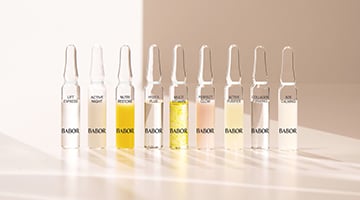
| Multi-step concentrate or ampoule | Varies by product; often used according to specific directions | Consider separately from an everyday serum when the product has a defined course or use sequence | Exact directions, frequency, and whether it is intended to replace or supplement a routine step |
The last row is included to clarify the distinction: this article is about choosing a serum format for routine hydration, not selecting a course-based concentrate. If a product is labeled as an ampoule or treatment concentrate, follow its own usage directions rather than transferring assumptions from a daily serum.
Where does a hyaluronic acid serum fit in a routine?
A common sequence is cleanser, serum, moisturizer, and sunscreen in the morning. In the evening, sunscreen is not part of the routine, while other leave-on products may follow your cleanser and precede or follow moisturizer according to their directions. The productâs own instructions should guide placement, especially if your routine includes a prescribed product or several active ingredients.
Many people apply a humectant serum to freshly cleansed, slightly damp skin, then follow with a moisturizer. This approach can make a water-attracting ingredient part of a layered routine. Do not leave skin wet unless the product directions say to do so. A light touch and a modest amount can make it easier to see how the next step behaves.
Let each layer settle for a short time. If the serum feels tacky, use less product or allow more time before applying moisturizer. If a moisturizer does not spread well over it, reconsider the amount and order, and check both productsâ directions. Layering several serums at once makes it harder to determine which product is responsible for a change in feel.
For a straightforward routine outline, see BABORâs skincare routine guidance. Keep the number of steps manageable while you assess a new serum. A simple sequence makes it easier to identify whether the productâs texture works with the products you already use.
At the end of the day, the goal is a repeatable sequence that feels comfortable and fits your habits. A serum is one optional layer, not a requirement for every routine. If your existing moisturizer already suits your preferences, you do not need to add a serum solely because it features a popular ingredient.
Find a serum format for your routine
How can you assess comfort and sensitivity?
A productâs feel can change with the amount applied, the condition of your skin, and the layers used around it. Introduce one new leave-on product at a time and follow its directions. This gives you a clearer view of how the formula fits your routine. Do not test several new products together if your goal is to understand your response to one serum.
Check the ingredient list before use, especially when you already know that certain ingredients do not suit you. Follow any patch-testing guidance supplied by the manufacturer. Stop using a product if it causes persistent discomfort, and seek advice from a qualified health professional for a concern that is severe or does not resolve. Cosmetic education cannot diagnose or treat a skin condition.
Choose a product based on your own observations instead of broad claims about skin types. âHydratingâ on a label does not mean that every person will experience the same finish. A formula can feel comfortable on one person and heavy, tacky, or otherwise unsuitable to another. Your response over repeated use is more useful than a single impression of the ingredient name.
How can you compare options in a practical way?
Use a short comparison process before you choose. First, identify the texture you prefer and the products you plan to layer. Next, read the product directions and full ingredient information. Then consider whether the formula can fit into a routine you will actually follow. These steps keep the decision grounded in practical use rather than in a single headline claim.
- Write down your routine. Note your cleanser, moisturizer, sunscreen, and any other leave-on products. This shows where another layer might fit.
- Set a texture preference. Decide whether you favor a fluid, gel-like, or richer feel. Use this as a starting point, not a promise about results.
- Read product information. Check directions, the full ingredient list, and any relevant notes about use. A collection name alone is not enough to compare formulas.
- Test one change at a time. Use the product as directed and keep other routine steps steady at first.
- Review the experience. Consider application, settling time, comfort, and how the next product layers over it.
If you want help narrowing options, BABORâs Skincare Advisor is a place to start. You can also browse the BABOR bestsellers and inspect the individual product details before deciding. Product selection is personal; those pages are starting points for review, not a substitute for reading directions.
Browse BABOR skincare products
Frequently asked questions
Can I use a hyaluronic acid serum every day?
Use it as often as the product directions specify and as it fits your routine. Do not assume every serum has identical directions. If you are introducing it, begin with the stated use instructions and observe how the formula feels alongside your other products.
Should I apply a serum before or after moisturizer?
Many routines place a lightweight serum before moisturizer, but follow the productâs directions. Applying moisturizer afterward can make the serum part of a layered routine. If the texture does not sit comfortably, review the amount and order of your products.
Does a higher number of hyaluronic acid forms mean a better serum?
Not by itself. The number of forms is one formulation detail, not a measure that can predict a personal result on its own. Compare the entire formula, directions, texture, and the way the product works with the other steps you use.
Can I use a serum if my skin is sensitive?
Read the full ingredient list and follow the productâs use guidance. Introduce one new product at a time, and follow any patch-testing instructions provided. If you have an ongoing skin concern or a history of reactions, ask a qualified health professional for individual guidance.
How do I know if the format suits my routine?
Assess whether you can apply it comfortably, whether it settles in a reasonable time for you, and whether your next product layers smoothly. Give the serum a fair trial as directed while keeping other steps consistent. If the format makes your routine harder to follow, it may not be the right choice for your preferences.
The most useful hyaluronic acid serum is one whose directions, texture, and place in your routine make sense to you. Compare the whole formula, introduce it thoughtfully, and let your own experience guide the final choice.


