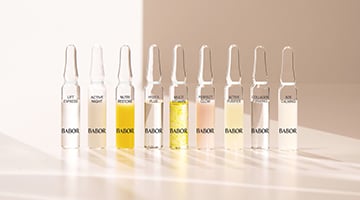
A face luxury night cream is easiest to choose when you compare its texture, stated cosmetic purpose, directions, and fit with your evening routine. Start with the feel you enjoy, then check product details and consider how it layers with familiar steps. The best match is the one that suits your preferences and use habits.
Explore BABOR skincare products
What should a luxury face cream do at night?
A night cream can serve as the final moisturizing step in an evening routine. Its practical value may be as simple as helping skin feel soft and comfortable. It does not need to promise an overnight transformation to have a place in your routine. Spreadability, finish, and compatibility with products already in use are useful measures of fit.
Luxury positioning may reflect sensorial design, product development, packaging, and a brand's professional heritage. Those factors can contribute to the experience, but they do not replace a close reading of product information. Check the stated use, directions, and complete ingredient list. Then consider the feel after application rather than judging by a jar or a first impression alone.
Keep expectations grounded. Cosmetic products can support the appearance and feel of skin, but a cream should not be treated as a medical treatment or as a substitute for professional advice about a skin condition. If irritation persists or a concern needs assessment, consult a qualified health professional.
For a direct answer, select a cream with a finish you enjoy, directions that make sense in your routine, and ingredient information you can review against personal preferences. Apply it as directed, introduce unfamiliar products thoughtfully, and assess comfort rather than relying on prestige or a product name. This simple decision rule keeps the focus on everyday fit rather than on a promise that no cosmetic can guarantee.
How can you match texture to your skin's feel?
Think about how your skin usually feels in the evening and what finish you prefer. Skin that feels tight after washing may make a cushiony texture appealing. If you dislike residue or prefer lighter layers, a thinner, lotion-like cream may feel more comfortable. These observations describe personal preferences, not a diagnosis. Weather, cleansing habits, and the products layered beneath can all affect how a moisturizer feels from one evening to another.
- If your face feels tight after washing: consider an enveloping texture, then notice whether it remains comfortable after application.
- If you prefer light layers: look for a fluid cream that spreads easily and leaves a finish you enjoy.
- If different areas feel different: consider using a modest amount overall and applying a little more where you feel dry, if the directions allow.
- If sensitivity is a concern: review the full ingredient list, introduce one unfamiliar product at a time, and stop use if discomfort occurs.
Texture alone does not reveal everything about a formula. Two creams that look equally rich may have different ingredient compositions and sit differently on skin. If an appropriate sample is available, try a small amount according to its directions. Notice immediate comfort, spread, and later finish. Avoid layering several unfamiliar products during the same trial, since that makes it harder to identify what affected your experience.
It may help to describe your preference in concrete terms. You might want a smooth finish without a noticeable film, or you may prefer a slower-spreading texture that feels more substantial. These are different qualities, even though both can be described as comfort. Separate the impressions and decide which one matters most. A precise preference makes product descriptions and samples easier to assess than a vague wish for a cream that simply feels right.
Consider how the cream feels at the time you actually use it. Someone who applies skincare just before getting into bed may care about a finish that does not feel distracting against a pillow. Another person may apply products earlier in the evening and have more time to notice how they settle. These examples do not imply that one texture is better. They show why routine details can be part of the selection, alongside the immediate sensation when the cream is spread.
Which details are worth comparing?
Use the same questions for each product under consideration. Begin with stated purpose, then look at texture, directions, and ingredients you know you prefer or avoid. This method makes product pages easier to assess and keeps the decision linked to your routine rather than to a single highlighted feature. A comparison table can keep your observations organized and show where a product description answers your questions or leaves details unclear.
| What to compare | What to look for | Why it matters | Useful next step |
|---|---|---|---|
| Texture and finish | Fluid, light, cushiony, or rich feel | Comfort influences whether you want to use it regularly | Try a small amount and notice residue or tightness |
| Stated purpose | Product description and intended cosmetic benefit | Helps align expectations with product information | Distinguish appearance claims from medical treatment claims |
| Ingredient information | Complete list and ingredients you know from personal experience | Supports a choice informed by your own sensitivities | Review the full list and introduce one product at a time |
| Directions | Amount, order, and frequency of use | Instructions can vary from one product to another | Follow the package rather than assuming all creams are alike |
| Routine fit | Compatibility with cleanser, serum, and other steps | A comfortable routine is easier to maintain | Try it as the final step unless directions say otherwise |
To make the table useful, fill it out for two or three candidates rather than relying on memory. One product may have a finish you enjoy but unclear directions for your preferred layering order. Another may have straightforward directions and a lighter feel. Your notes should capture what product information says separately from what you personally observe. That distinction keeps expectations realistic and makes it easier to explain why one choice fits your routine better.
Do not infer a formula's performance from one highlighted ingredient or the name on the jar. A product description may summarize its intended cosmetic use, while the complete ingredient list gives information about that specific formula. Directions explain how it is meant to be used. Read those elements together, and avoid filling gaps with assumptions if a detail is missing. If you need more context, consult product information or an appropriate customer service channel.
How should a cream fit into an evening routine?
A straightforward routine helps you assess a new product without confusion. Begin with a cleanser that suits your preferences and leave skin freshly cleansed and dry. Apply established leave-on products according to their directions, then apply the cream if its instructions support that order. Avoid introducing several unfamiliar products at once; otherwise, it can be difficult to identify which one affected comfort. A familiar routine gives you a clearer basis for noticing the new cream's texture and finish.
- Wash your face and gently pat it dry.
- Apply familiar serum or other leave-on products according to their directions.
- Use the amount of cream indicated on its packaging and spread it evenly, avoiding areas excluded by the directions.
- Notice how your skin feels immediately and later; adjust the amount only within the product directions.
Consider a reader who already uses a familiar serum and wants to add a richer final step. They can keep the serum and the rest of the routine unchanged, check the cream's directions, and observe how the pair feels together. If the finish is comfortable, that is useful information. If the combination feels heavy, the reader might try a smaller directed amount or consider a lighter texture next time, rather than changing several products at once. That approach helps make observations more meaningful.
Another reader may have a routine with several leave-on steps. The useful question is not simply whether a cream can be added, but whether its instructions fit alongside those other products. Read each label, follow any sequencing guidance provided, and avoid making assumptions about interactions. If product directions conflict or a routine causes persistent discomfort, seek appropriate professional guidance instead of attempting to solve the issue by adding more layers.
If a product already in your routine causes dryness or irritation, do not assume a richer cream will resolve the underlying issue. Review that product's instructions and consider asking a qualified professional for guidance. BABOR's ingredient glossary can explain common terms; the particular product's complete ingredient list remains the key reference for its formula.
For general information on cosmetic product labeling and safe use, consult the U.S. Food and Drug Administration's cosmetics resources. Follow product directions and seek professional advice if a reaction is concerning or persistent.
How can you compare creams without being swayed by presentation?
Packaging and sensory details can be part of the experience, but a consistent set of questions keeps the decision practical. Does the product suit the finish you enjoy? Are the directions clear? Does the stated purpose fit what you want from a moisturizer? Can you include it comfortably alongside your existing products? These questions are more useful than assuming premium presentation guarantees a particular result.
Consider the full routine, not only the jar. A cream that feels pleasant by itself may not work with your preferred layering habits. If you enjoy a substantial final step, a richer texture might suit you. If you prefer to feel little product on skin, a lighter texture may be easier to use regularly. Individual preferences vary, so let your experience guide the choice. The purpose of comparing is not to identify a universal winner; it is to find a product that aligns with your own routine.
When browsing, decide which product details you need before opening several tabs. The BABOR bestsellers page offers one way to navigate products, while skincare sets present grouped options. These pages support discovery, but details for each item should guide decisions about its use, directions, and ingredients.
A category page can help you narrow the field, but it is not a substitute for checking an individual product. A set may contain more than one type of skincare step, so read what is included before assuming it fits your current routine. Similarly, a popular product may be a useful candidate to investigate, but popularity alone cannot tell you whether its texture or directions are right for you. Use navigation pages to find options, then return to specific product details before deciding.
Think of presentation as one factor rather than the deciding factor. A jar may be attractive, and opening it may be a pleasant part of the routine, but neither tells you how the formula will feel on your skin. Product names can signal intended use, yet directions and the complete ingredient list offer more useful detail. A considered choice brings the sensory experience together with the practical information, instead of asking one feature to stand in for everything else.
How do you make a useful comparison at home?
A short, structured trial can clarify whether a cream suits your preferences. It is not a clinical test and cannot establish that a product will address a skin condition. It simply helps you make observations while keeping other parts of your routine steady. Keep notes brief enough to use: product name, amount used as directed, texture, immediate feel, later finish, and any discomfort. You can then compare your own observations with what you wanted from the product in the first place.
- Choose one candidate. Read its stated purpose, complete ingredient list, and directions before opening it. Note ingredients you already know you prefer to avoid.
- Keep the rest familiar. Use your established cleanser and other products as usual. Do not change several steps at once.
- Begin with the directed amount. Apply as instructed rather than using more in the hope of changing the result.
- Observe the finish. Notice spread, residue, comfort, and whether you enjoy the feel at bedtime.
- Make a practical decision. If the experience is comfortable and fits the directions, decide whether it belongs in your routine. Stop use if discomfort occurs.
For example, someone who dislikes a noticeable film might compare a fluid cream with a more substantial texture, while still reading directions and ingredient details for both. Someone who enjoys a richer finish might start there, then assess whether it layers comfortably over products already in use. Neither preference makes one choice universally better. This comparison turns a vague impression into observations that can guide a decision and helps the reader explain what mattered.
Keep the comparison fair. Use a similar amount each time, follow each product's directions, and assess the same features. If you try one cream after a long day and another after changing your cleanser, the conditions are different and your impressions may be less useful. You do not need elaborate testing or a complicated score. A few consistent notes can show whether the decision rests on texture, routine fit, directions, or another preference.
It can also help to decide in advance what would count as a good fit. Perhaps you want a cream that spreads easily, feels comfortable before bed, and does not complicate your routine. Write those priorities down before reviewing product pages. Then assess candidates against the same list. This keeps a striking package, a long description, or a single appealing phrase from taking over the choice.
If you are deciding between two textures, compare the tradeoffs rather than asking which is best. A fluid texture may spread quickly and feel lighter, while a richer texture may create a more substantial finish. Those descriptions do not guarantee how either product will feel on you. Check the details, try an appropriate amount if possible, and use the same observations for each. You might discover that spread matters most, or that how the finish feels later is the detail you value.
What product information can help you decide?
Product information is most useful when you read its parts together. A description may explain intended cosmetic purpose; directions explain how the product is meant to be used; and the ingredient list lets you check the complete formula against your preferences. Do not assume that a highlighted ingredient tells the whole story, or that a product name guarantees a particular experience. Each section answers a different question, so consider them as a set.
When comparing two options, write down the points that matter to you: desired finish, directions, known sensitivities, and compatibility with current steps. Then consider which product answers those questions clearly. If a detail is missing or unclear, avoid filling the gap with assumptions. Use the information available or seek clarification through an appropriate customer service channel. That is more reliable than inferring use instructions from an image or from the product name.
Brand resources can support discovery, but they serve different purposes. BABOR's ingredients information and glossary offer context about terminology, while a product page provides details specific to that item. A broad overview cannot replace the package directions or complete ingredient list for the cream you are considering. When you browse, keep the product-specific information close at hand so you can compare it against your own list of priorities.
Think carefully about your own experience with ingredients. If you already know that a particular ingredient has caused discomfort for you, check the complete list rather than relying on a front-label callout. If you are unsure how a term applies to your situation, do not treat a glossary entry as individualized medical advice. A qualified health professional can help with questions about a skin condition or repeated reactions.
Ingredient explanations are useful for understanding vocabulary, but they cannot predict every individual response. Product pages may emphasize selected details, whereas the full list gives broader formula context. Read what is available, use your own known preferences, and avoid assuming that one ingredient alone determines the entire experience. If you cannot find a detail that matters to you, ask for clarification instead of making a guess.
What expectations are realistic?
A moisturizer can affect how skin feels and looks, and the experience depends on the product, the individual, and how it is used. Do not treat any one cream as a guaranteed solution for a persistent skin issue. If a product does not feel right, stop use and review its directions and ingredients. Seek professional guidance for ongoing or severe symptoms. This is a sensible boundary between a cosmetic choice and a concern that deserves individual assessment.
It can take practical observation to assess fit. Keep your routine steady while trying a new cream. Note the amount used, whether it spreads easily, and whether the finish feels pleasant at bedtime. Simple observations can help distinguish a genuine preference from the effects of changing several steps at once. The goal is not to create a complex test, but to make the decision less dependent on memory or first impressions.
Luxury is also a personal assessment. You may value a sensorial experience, a particular texture, product information, or a brand's professional background. Another person may prioritize a different combination. Consider what you actually appreciate in daily use, then weigh those preferences alongside clear directions and realistic cosmetic expectations. The decision need not be based on a single feature or on the idea that a higher-end presentation guarantees a specific result.
Give equal attention to what a product does not tell you. If its description does not answer a question about frequency or placement, do not invent an instruction. If you cannot see the complete ingredient list, look for product-specific information before deciding. A careful choice includes acknowledging uncertainty, not simply selecting the option with the most persuasive language.
Frequently asked questions
Is a night cream different from a day cream?
Products can differ in texture, directions, or intended use, but the name alone does not determine how a formula feels. Read the product description and directions, then select a texture that suits your routine.
Should a night cream feel rich to work well?
No. Richness is a texture preference, not a measure of performance. Choose a finish you find comfortable and use the product as directed.
Can I use face cream after a serum?
Many routines place cream after leave-on serums, but follow the directions for each product. Introduce unfamiliar products one at a time if you want to assess how your skin responds.
How do I choose a cream if my skin feels sensitive?
Read the complete ingredient list and consider your personal sensitivities. Try one unfamiliar product at a time and stop use if discomfort occurs. For ongoing reactions, seek advice from a qualified health professional.
How much night cream should I apply?
Follow the amount stated in the product directions. Formulas and instructions vary, so do not assume that using more will improve the experience or suit your routine better.
Explore BABOR skincare products
What is a practical way to choose?
Start with the finish you want, check the product's stated purpose and directions, and compare the complete ingredient list with your own preferences. Choose a cream that fits naturally into your evening routine, then judge it by comfort and consistent use rather than presentation alone. A face luxury night cream should make sense for the way you care for your skin.


