
Building an effective skincare routine is all about making your products work smarter, not harder. You can have the most powerful serums in your collection, but if they’re sitting on top of a layer of dull, dead skin cells, their journey ends there. This is where exfoliation comes in. Think of it as clearing a path for your other products to do their job. The question of whether to apply an exfoliant before or after serum isn't just about following rules; it's about creating the ideal environment for active ingredients to be absorbed. Getting this simple step right ensures your skin is perfectly prepped to receive maximum benefits.
Key Takeaways
- Apply Exfoliant Before Serum: For maximum effectiveness, always use your exfoliant after cleansing but before applying any serums. This clears away dead skin cells, allowing the active ingredients in your serum to absorb properly and deliver better results.
- Listen to Your Skin's Needs: Find your ideal exfoliation schedule by starting with one to three times per week. If you notice any redness, tightness, or irritation, it's a clear sign to reduce the frequency and focus on hydration.
- Pair with a Purposeful Serum: Take advantage of freshly exfoliated skin by following up with a targeted serum. Choose a hydrating formula to soothe and plump, a brightening serum to restore radiance, or a treatment serum to address texture and fine lines.
What Is Exfoliation and Why Does It Matter?
Think of exfoliation as a reset for your skin. Your skin is constantly renewing itself by shedding dead cells to make way for new ones. Sometimes, those old cells don't shed completely, leading to a dull complexion, rough texture, and clogged pores. Exfoliation is simply the process of helping this natural turnover along by removing that top layer of dead skin. It’s a fundamental step for revealing the fresh, healthy-looking skin underneath.
By clearing away the buildup, you’re not just preventing breakouts and dullness; you’re creating a clean slate. This allows your other skincare products to work much more effectively. When your skin's surface is smooth and clear, active ingredients can penetrate more easily and deliver the results you’re looking for. It’s a crucial practice for maintaining a radiant complexion and getting the most out of your routine, especially when using high-performance formulas like those in our DOCTOR BABOR collection.
A Quick Guide to Exfoliant Types
When you hear "exfoliant," you might picture a gritty scrub, but some of the most effective types are actually liquids. These chemical exfoliants use acids to gently dissolve the bonds holding dead skin cells together. They are often categorized into three main groups, each suited for different skin needs.
- PHAs (Poly-Hydroxy Acids): These are the gentlest of the bunch. With a larger molecule size, they work on the skin's surface without irritation, making them perfect for beginners or those with sensitive skin. They also have hydrating properties.
- AHAs (Alpha-Hydroxy Acids): Ideal for normal to dry skin, AHAs target surface-level concerns like fine lines, uneven texture, and dryness.
- BHAs (Beta-Hydroxy Acids): If you have oily or combination skin, BHAs are your best friend. They are oil-soluble, meaning they can get deeper into the pores to clear out excess sebum and debris.
The Benefits of a Consistent Routine
Incorporating exfoliation into your routine is a treatment step, not something you need to do every day. Finding the right frequency is key to achieving a brighter, smoother complexion without causing irritation. When done correctly, a consistent exfoliation practice offers incredible benefits.
Most importantly, it prepares your skin to better receive the products that follow. By removing that barrier of dead cells, you create a clear pathway for your favorite serums and moisturizers to absorb more effectively. This means the powerful ingredients in your skincare can get to work where they’re needed most, helping you see better and faster results from your entire routine.
Exfoliant or Serum: Which Comes First?
When you’ve invested in high-performance skincare, you want to make sure every drop counts. One of the most common questions about layering is whether the exfoliant goes on before or after the serum. The answer is simple, and getting it right is key to seeing the results you want. Think of it less as a strict rule and more as a strategy to get the most from your products. Proper layering ensures each formula can do its job effectively, leading to healthier, more radiant skin.
The Golden Rule of Skincare Layering
Let’s clear up the confusion right away: your exfoliant should always be applied after cleansing and before your serum. This is the universally accepted order among skincare professionals for a reason. After using one of your favorite cleansers to wash away makeup and impurities, your skin is prepped for the next step. Applying an exfoliant at this stage prepares your skin to fully receive the concentrated ingredients in the products that follow, like your toners, serums, and moisturizers. Following this sequence ensures each product can perform its specific job without interference, creating a foundation for a truly effective routine.
Why Order Is Everything for Absorption
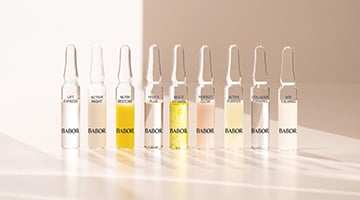
The main reason this order is so important comes down to one word: absorption. Exfoliating sloughs away the layer of dead skin cells that can sit on the surface of your skin. This barrier can prevent your other products from penetrating as deeply as they should. When you apply a powerful treatment like our concentrated Ampoule Serum Concentrates onto freshly exfoliated skin, its active ingredients can get to work more effectively. Without that barrier, the path is clear for maximum impact. Just be sure to let your exfoliant dry completely before applying your serum. This small pause helps prevent potential irritation and ensures each formula works at its best.
How Exfoliation Supercharges Your Serum
Think of your skincare routine as a series of steps designed to deliver powerful ingredients deep into your skin. Now, imagine a roadblock on that delivery route: a layer of dull, dead skin cells. Exfoliation is the essential step that clears that path, ensuring your high-performance products, especially your serums, can do their job effectively. It’s not just about scrubbing your skin; it’s about creating the perfect environment for your other products to shine. By removing that surface barrier, you’re allowing your
Clear Away Dead Skin Cells
Your skin is constantly renewing itself, but sometimes the old, dead cells on the surface don't shed as quickly as they should. This buildup can leave your complexion looking dull and uneven. Exfoliation gently sweeps away this layer, revealing the fresh, healthy skin cells waiting underneath. This process essentially gives your skin a clean slate. By clearing away the debris, you’re not just improving your skin’s immediate appearance; you’re preparing it to fully receive the benefits of the products that follow. It’s a fundamental step for maintaining a vibrant, smooth complexion.
Maximize Ingredient Penetration
This is where the magic really happens. That layer of dead skin cells can act as a barrier, preventing your skincare from being properly absorbed. You can apply the most advanced serum, but if it’s just sitting on top of old cells, you won’t get the full effect. When you exfoliate, you remove that barrier. This allows your favorite serums and treatments to penetrate the skin more effectively. By ensuring maximum absorption, you’re getting the most out of every single drop of your product and helping those potent active ingredients get to where they need to go.
Create a Smoother, More Radiant Canvas
One of the most satisfying results of exfoliation is the immediate improvement in your skin’s texture and radiance. By sloughing away rough, dead cells, you create a surface that is noticeably smoother to the touch. This smoother surface reflects light more evenly, giving your skin a natural, healthy glow. It also creates a perfect base for makeup application, helping it glide on seamlessly. Think of it as a treatment step that refines your skin’s texture, paving the way for other products, like our iconic Ampoule Concentrates, to leave your skin looking its absolute best.
A Closer Look at Exfoliants: How They Work
Not all exfoliants are created equal. Think of them as different tools for the same important job: clearing away dull, dead skin cells to reveal the fresh, radiant skin underneath. The one you choose can make a huge difference in your results, and it all comes down to your skin type, your specific concerns, and even your personal preference. Understanding how each type works is the key to picking the perfect partner for your routine, one that helps you achieve your goals without causing sensitivity.
There are three main categories to know: physical, chemical, and enzymatic. Each one uses a distinct method to slough off old cells and pave the way for your other products, like serums and moisturizers, to work more effectively. Physical exfoliants manually scrub cells away, chemical exfoliants use gentle acids to dissolve the bonds holding them to your skin’s surface, and enzymatic exfoliants use fruit-derived enzymes to gently digest them. Knowing the difference helps you make an informed choice, so you can get all the glowy benefits without any of the irritation. Let’s take a closer look at how each one gets the job done.
Physical Exfoliants
Physical exfoliants are probably what you first think of when you hear the word "scrub." They use small, fine particles, like sugar, jojoba beads, or powders, to manually buff away dead skin cells from the surface. The action is purely mechanical; you gently massage the product onto your skin, and the friction does the work.
While they provide instant gratification and a feeling of smoothness, it’s important to be gentle. Applying too much pressure or using a product with rough, jagged particles can cause tiny tears in the skin, leading to irritation and sensitivity. For this reason, always choose a product with smooth, uniform particles and let the formula do the work, not your hands.
Chemical Exfoliants (AHAs & BHAs)
Don’t let the word "chemical" scare you. These exfoliants are often gentler and more effective than their physical counterparts. Instead of scrubbing, they use acids, most commonly Alpha Hydroxy Acids (AHAs) and Beta Hydroxy Acids (BHAs), to dissolve the "glue" that holds dead skin cells together. This allows the cells to shed naturally and evenly.
AHAs, like glycolic and lactic acid, are water-soluble and work on the skin's surface, making them great for addressing dullness and uneven texture. BHAs, like salicylic acid, are oil-soluble, allowing them to penetrate deeper into pores to clear out congestion. The result is a clearer, brighter complexion and better performance from your other skincare products.
Enzymatic Exfoliants
If you have sensitive skin or are new to exfoliation, enzymatic exfoliants are a fantastic place to start. These formulas use natural enzymes, often derived from fruits like papaya and pineapple, to gently break down and digest the dead skin cells on the surface.
What makes them so unique is their precision. Unlike some other methods, enzymes typically only target the dead cells, leaving the healthy, living skin underneath untouched. They stop working once their job is done, which significantly reduces the risk of over-exfoliating or causing irritation. This makes them a gentle yet effective way to achieve a smooth, polished glow, especially when found in advanced formulas like our REFINING ENZYME AND VITAMIN C CLEANSER.
How Often Should You Exfoliate?
When it comes to exfoliation, more is not always better. The goal is to find a rhythm that works for your skin, not to follow a rigid rule. Think of it as a conversation with your complexion; some days it needs a little extra help, and other days it just needs to rest. The right frequency helps you achieve that smooth, bright look without causing irritation. For most people, exfoliating one to three times a week is the sweet spot, but this isn't set in stone.
Finding your ideal schedule depends on your skin type, the kind of exfoliant you use, and even the time of year. For example, you might find your skin can handle more frequent exfoliation in the humid summer months but prefers a gentler approach during the dry winter. The key is to start slowly and pay close attention to how your skin responds. This allows you to get all the benefits of exfoliation, like improved product absorption and a more even skin tone, without compromising your skin’s protective barrier. A well-exfoliated canvas is the perfect foundation for the rest of your skincare routine, ensuring every product that follows can perform at its best.
Finding Your Sweet Spot by Skin Type
Your skin type is the best guide for determining how often to exfoliate. A good starting point is to exfoliate one to three times per week, but you can adjust from there. It’s also smart to spread your exfoliation days out, like on a Monday and Thursday, to give your skin time to recover.
Here are some general guidelines:
- Dry or sensitive skin: Once a week is often plenty to remove flakes without causing irritation.
- Normal or combination skin: Two to three times a week usually works well to keep skin balanced and clear.
- Oily or acne-prone skin: You may be able to exfoliate up to three times a week to help manage excess oil and prevent clogged pores.
Red Flags: Are You Overdoing It?
Your skin will tell you if you’re exfoliating too much. If you notice increased redness, tightness, or a stinging sensation when you apply other products, it’s time to scale back. Over-exfoliation can strip the skin’s natural moisture barrier, leaving it vulnerable and sensitive. After you exfoliate, always follow up with gentle, hydrating products. A calming serum or a nourishing moisturizer will help soothe and replenish your skin.
It’s also important to avoid using other potent active ingredients, like high-concentration retinols, on the same day you exfoliate. The most important rule is to listen to your skin. If it feels sensitive, take a break from exfoliating for a few days and focus on hydration.
How to Combine Exfoliants and Serums Safely
Pairing an exfoliant with a serum is one of the best ways to get that smooth, glowing skin we’re all after. The exfoliant clears the path by removing dull, dead skin, and the serum follows with a concentrated dose of active ingredients. But to get the benefits without the irritation, you need to approach this power couple with a smart strategy. It’s all about choosing the right products, applying them in the correct order, and paying close attention to how your skin responds.
Start with Gentle Formulas
If you’re new to chemical exfoliants or have sensitive skin, it’s best to start slowly. Look for gentle formulas that won’t overwhelm your skin barrier. Liquid exfoliants, often powered by acids, are fantastic for revealing brighter, clearer skin, but you don’t need the strongest one on the shelf to see results. Consider starting with an enzyme-based product or a low-concentration acid. This allows your skin to acclimate to the new active ingredient. You can always work your way up to a more potent formula once you know how your skin will react. Remember, being careful with new products is the key to avoiding irritation.
Let Each Layer Absorb Fully
Patience is a virtue, especially in skincare. The correct order is always to cleanse your face first, then apply your exfoliant. But don’t rush to the next step. Give your exfoliant a minute or two to absorb completely into your skin. It should feel dry to the touch before you even think about reaching for your serum. This waiting period ensures the exfoliant can do its job properly without being diluted. It also creates the perfect canvas for your serum to penetrate deeply and deliver its ingredients where they’re needed most, making both products more effective.
Listen to Your Skin
Your skin is your best guide. How often you should exfoliate depends entirely on your skin type and its tolerance. Some people can handle exfoliating several times a week, while others might find that once a week is plenty. Pay attention to the signs. If you experience redness, stinging, or excessive dryness, it’s a clear signal to pull back. You can try spacing out your exfoliation days or switching to a gentler product. Adjusting your routine based on how your skin feels is the best way to maintain a healthy, happy complexion while still getting all the benefits of exfoliation and your favorite moisturizers.
The Best Serums to Pair with Your Exfoliant
Think of your freshly exfoliated skin as the perfect canvas. By clearing away the old, you’ve created an ideal opportunity for potent ingredients to get to work. Pairing your exfoliant with the right serum is the key to amplifying your results, whether you’re aiming for deep hydration, a brighter complexion, or smoother texture. The serum you choose next can make all the difference, delivering concentrated actives exactly where they’re needed most.
This is where you can truly customize your routine to meet your skin’s specific needs. By following up with a targeted treatment, you’re not just applying another product; you’re taking full advantage of that pristine, receptive state to achieve your goals more effectively. Let’s explore the best types of serums to reach for after you exfoliate.
Hydrating Serums for a Moisture Boost
After any type of exfoliation, your skin is thirsty for moisture. Following up with a hydrating serum is a non-negotiable step to replenish and soothe your complexion. Look for formulas packed with ingredients like hyaluronic acid, which acts like a magnet for water to leave your skin feeling plump and comfortable. A great hydrating serum immediately restores balance, reduces any potential for irritation, and gives your skin a dewy, supple finish. This step ensures your skin barrier remains strong and resilient, locking in moisture for a healthy, revitalized look.
Brightening Serums for a Healthy Glow
If a radiant, even-toned complexion is what you’re after, a brightening serum is your best friend post-exfoliation. With dead skin cells out of the way, ingredients like Vitamin C can penetrate more effectively to address dullness and discoloration. These powerful antioxidants work to give your skin a visible glow while helping to protect it from environmental stressors. Using brightening serums consistently after exfoliating helps promote a luminous, clear complexion and enhances the smoothing effects of your routine for an all-around healthy appearance.
Targeted Serums for Lines and Texture
For those focused on addressing signs of aging like fine lines and uneven texture, exfoliation creates the prime opportunity for targeted treatments to shine. With a clear path to the skin’s surface, powerful ingredients like peptides can work more efficiently to support skin’s natural firmness and elasticity. Applying a specialized serum designed to firm and smooth helps you get the most out of these high-performance formulas. This one-two punch of exfoliating and then treating is a fantastic strategy for achieving a visibly smoother and more youthful-looking complexion.
Common Mistakes to Avoid
Exfoliating is a fantastic step for achieving radiant skin, but a few common missteps can lead to irritation instead of illumination. The goal is to support your skin, not overwhelm it. By avoiding these simple mistakes, you can ensure your exfoliation and serum routine works beautifully, leaving your complexion smooth, clear, and glowing. Think of it as a partnership with your skin; you provide the right tools and techniques, and it will reward you with its best-ever appearance. Let’s walk through what to watch out for so you can get the most out of your products.
Using Too Many Strong Actives
When you discover the power of active ingredients, it’s tempting to use all of them at once. However, layering multiple strong exfoliants can do more harm than good. For instance, if you love both AHAs and BHAs, it’s best to use them on separate evenings rather than in the same routine. Overloading your skin with acids can strip its natural barrier, leading to redness and sensitivity. Instead, introduce one new active at a time and pay attention to how your skin responds. A well-formulated product like our DOCTOR BABOR Exfoliating Peel Pads provides a balanced approach, giving you effective results without the guesswork.
Skipping Moisturizer and Sunscreen
Think of exfoliation as revealing a fresh, new layer of skin. This new skin is delicate and more vulnerable to the elements, especially the sun. Skipping sunscreen after you exfoliate is one of the biggest mistakes you can make, as it leaves your skin susceptible to sun damage. Always follow up with a broad-spectrum SPF in the morning. Similarly, a good moisturizer is essential for replenishing hydration and supporting your skin’s protective barrier after exfoliating. This step locks in the benefits of your serum and keeps your skin feeling comfortable, balanced, and resilient.
Mixing the Wrong Products
Paying attention to your skin is the most important part of any routine. If your skin feels tight, looks red, or stings when you apply other products, you might be over-exfoliating. This is your skin’s way of telling you to slow down. Pushing through the irritation will only compromise your skin barrier further. If you notice these signs, take a break from exfoliants for a few days and focus on gentle cleansing and hydration. Using a calming, hydrating serum can help soothe your skin and restore balance before you slowly reintroduce your exfoliant.
Create Your Ideal Exfoliation and Serum Routine
Getting the most from your powerful skincare isn't just about what you use, but how you use it. To see the best results, it’s essential to apply your products in the right order, especially when it comes to exfoliants and serums. The sequence is simple: exfoliation should always happen after you cleanse your face and before you apply anything else. Think of it as preparing the canvas. This step is vital because it sweeps away the barrier of dead skin cells that can block absorption. Without this layer, the active ingredients in your serums can penetrate deeper and work much more effectively.
Liquid exfoliants are particularly great for this, as they not only refine the skin's surface but also help your other skincare products perform better. Once you’ve exfoliated, it’s important to let the product dry completely before moving on to the next step. This small pause is a game-changer. It helps minimize the risk of irritation and ensures that your concentrated serum can be fully absorbed without being diluted or neutralized by a damp surface. By following this simple but structured approach—cleanse, exfoliate, wait, then apply serum—you create the ideal environment for your skin to receive all the benefits from your routine, leading to a healthier, more radiant appearance.
Related Articles
Frequently Asked Questions
How do I know if I'm exfoliating too much? Your skin will give you clear signals. If you notice unusual redness, a tight or stripped feeling, or a stinging sensation when you apply other products, it's time to take a break. Over-exfoliation can weaken your skin's protective barrier, so listen to these cues. Step back from your exfoliant for a few days and focus on gentle, hydrating products to help your skin recover.
Is it okay to use a physical scrub and a chemical exfoliant at the same time? It's best to avoid using both a physical and a chemical exfoliant in the same routine. Combining them can be too intense for your skin and may lead to irritation and sensitivity. Instead, you could alternate them on different days. For example, use a gentle scrub one day and a liquid exfoliant a few days later, always paying attention to how your skin responds.
Why do I need to wait for my exfoliant to dry before applying my serum? Giving your exfoliant a minute or two to fully absorb is a crucial step for effectiveness and safety. Applying a serum to damp, freshly exfoliated skin can sometimes increase the potential for irritation. This pause also ensures that each product can work at its intended pH level without being diluted, allowing your serum's active ingredients to penetrate properly and deliver the best results.
Can I exfoliate in the morning, or is it better at night? You can exfoliate in either the morning or the evening, but many skincare professionals recommend doing it at night. Exfoliating can make your skin more sensitive to the sun, so doing it before bed gives your skin time to recover overnight. If you do choose to exfoliate in the morning, it is absolutely essential to follow up with a broad-spectrum sunscreen to protect your fresh, new skin cells.
What's the most important product to use after exfoliating? After you exfoliate and apply your serum, a high-quality moisturizer is essential. It helps to replenish your skin's moisture barrier, lock in the benefits of your serum, and keep your complexion feeling calm and comfortable. And if you've exfoliated in the morning, the most critical final step is always sunscreen to protect your skin from sun damage.