
When we talk about anti-aging, it’s easy to get caught up in ingredients that promise the world. But what if the most effective approach wasn’t about adding something new, but about reminding your skin what it already knows how to do? That’s the simple genius behind collagen peptides. These are not just another ingredient; they are intelligent messengers that signal your skin to ramp up its own natural collagen production. By encouraging your skin to rebuild its own supportive structure from within, you can achieve authentic, lasting firmness. Understanding the real collagen peptide cream benefits for wrinkles starts with appreciating this smart science.
Key Takeaways
Peptides Work by Communicating With Your Skin: Unlike whole collagen molecules that are too large to be absorbed, peptides are tiny messengers that penetrate the skin's surface. They signal your cells to produce more of their own collagen, helping to rebuild your skin's supportive structure from within.
Consistency Unlocks the Best Results: While you may feel immediate hydration, the real firming and smoothing benefits take time. Applying your peptide cream twice daily for at least four to six weeks is essential for giving your skin the continuous encouragement it needs to repair and strengthen itself.
Application Order Maximizes Effectiveness: To ensure your peptide cream can do its job, always apply it to clean skin after any thinner products like serums or ampoules. Following the "thinnest to thickest" rule allows the active ingredients to be absorbed properly without being blocked by heavier formulas.
What Are Collagen Peptides?
Let's talk about peptides. At their core, peptides are short chains of amino acids. You can think of amino acids as the fundamental building blocks that come together to form essential proteins in your skin, namely collagen and elastin. These proteins are the very foundation of firm, smooth, and resilient skin, acting like the scaffolding that holds everything up and gives it structure. Collagen provides the firmness and plumpness, while elastin gives your skin its ability to snap back into place. Without a healthy supply of both, skin loses its firmness and elasticity, leading to the visible signs of aging we all want to address.
So, what makes a "collagen peptide" special? These are specific types of peptides derived from collagen itself. When the large collagen protein breaks down, it forms these smaller, more manageable fragments. Because of their smaller size, collagen peptides can be effectively absorbed into the skin's surface when you apply them in a cream or serum. This ability to penetrate the skin is what allows them to work their magic from within, signaling your skin to regenerate and repair itself. They are a key ingredient in many advanced skincare products designed to address signs of aging, working in harmony with your skin's natural processes to restore a more youthful appearance.
Why Skin Loses Collagen Over Time
It’s a simple fact of life: as we age, our body's natural collagen production slows down. Starting around age 30, many of us lose about 1% of our skin's collagen every year. This gradual decline is why skin starts to lose its firmness and that youthful "bounce" we once took for granted. Over time, this loss contributes to the formation of fine lines and deeper wrinkles, as the skin's underlying structure becomes less supported and begins to weaken.
While aging is the primary driver, other factors can speed up this process. Things like prolonged sun exposure, environmental stressors, and certain lifestyle habits can all contribute to the breakdown of existing collagen. Understanding this process isn't about fighting against time; it's about giving your skin the support it needs to maintain its health and vitality. A great routine starts with high-performance moisturizers that protect and replenish the skin.
How Peptides Help Repair Your Skin
This is where peptides really shine. When you apply a product containing collagen peptides, they act like messengers for your skin cells. Their presence on the skin's surface essentially tricks your skin into thinking its own collagen has broken down, signaling it to kickstart the repair process. This prompts your skin to generate new collagen and elastin, the very proteins it needs to rebuild its structure and strength from within.
By encouraging this natural production, peptides help your skin become firmer, smoother, and more elastic. They also support the skin's protective barrier, helping it retain moisture and defend against environmental damage. Think of it as empowering your skin to repair itself more efficiently. This is why you'll find them in targeted treatments like our DOCTOR BABOR collection, which focuses on precision formulas for visible results.
How Do Collagen Peptide Creams Work on Wrinkles?
Ever wonder how a cream can make a real difference with wrinkles? Unlike products that just sit on the surface, collagen peptide creams work by communicating directly with your skin. They send targeted messages that kickstart your skin’s own repair and rebuilding processes, encouraging it to function more like it did in its youth. It’s a smart, effective way to address the signs of aging right at the source.
The Science: How Peptides Signal Your Skin to Rebuild
So, what exactly are peptides? Think of them as tiny messengers. Peptides are small chains of amino acids, which are the essential building blocks for proteins like collagen and elastin. When you apply a peptide cream, these messengers get to work. They signal your skin cells to perform specific jobs, like producing more collagen. It’s a highly intelligent approach to skincare that uses your skin’s own biology to encourage it to act younger and healthier. This is why precision formulas, like those in our DOCTOR BABOR line, focus on these powerful ingredients to deliver visible results.
Triggering Your Skin's Natural Collagen Production
When peptides send their signals, your skin listens. The primary instruction they give is to ramp up the production of collagen and elastin, the two proteins responsible for your skin's firmness and bounce. Instead of trying to add collagen from the outside, these creams empower your skin to rebuild its own supply from within. This process helps restore the structural support that weakens over time, leading to a complexion that looks and feels smoother and more resilient. Using a targeted serum with peptides helps ensure these powerful ingredients penetrate effectively to where they are needed most.
Why a Consistent Routine Delivers Long-Term Results
A single application feels great, but the real magic happens with consistency. After we turn 30, our skin’s collagen production drops by about 1% each year, so maintaining a steady routine is crucial to counteract this natural decline. Think of it as a long-term investment in your skin’s health. By regularly supplying your skin with peptides, you continuously encourage it to rebuild and strengthen itself. Over time, this dedicated effort pays off with noticeably better firmness, a smoother texture, and a visible reduction in fine lines. Integrating a peptide moisturizer into your daily regimen is the best way to see lasting improvement.
The Real Benefits of a Collagen Peptide Cream
When you add a collagen peptide cream to your routine, you’re doing more than just applying a moisturizer. You’re giving your skin the building blocks it needs to maintain its structure and resilience. Because peptides are small enough to be absorbed by the skin, they can get to work on a deeper level, signaling your cells to function more youthfully. The results aren't just superficial; they are visible improvements in your skin's health, texture, and overall appearance. Let’s look at what you can really expect.
Firmer, More Elastic Skin
One of the most sought-after benefits of peptides is their ability to improve skin firmness and elasticity. As we age, our natural collagen production slows down, which can lead to skin that doesn't feel as taut or "bouncy" as it once did. Peptides work by supporting your skin's own collagen, which helps reduce the appearance of fine lines and wrinkles. With consistent use, you’ll notice your skin feels stronger and looks visibly lifted. This is why high-performance skincare, like the DOCTOR BABOR collection, often features these powerful ingredients to deliver tangible, age-defying results.
Deeper Hydration and Moisture Retention
Healthy, youthful skin is well-hydrated skin. Peptides contribute to this by helping to strengthen your skin's natural moisture barrier. A stronger barrier is better at holding onto hydration, preventing the water loss that can make fine lines more prominent. This improved moisture retention leaves your skin feeling soft, smooth, and plump. While peptides are not direct hydrators like hyaluronic acid, they support the skin's overall health, making your moisturizers work more effectively. The result is a complexion that looks dewy and feels comfortable all day long.
A Smoother Texture and Enhanced Skin Repair
If you're dealing with uneven skin texture, peptides can make a noticeable difference. Think of them as messengers that encourage your skin's natural repair processes. Because peptide molecules are much smaller than collagen molecules, they can effectively penetrate the skin's surface. Once absorbed, they signal your cells to produce more collagen, which is essential for repairing damage and creating a smoother surface. A targeted Collagen Peptide Derma Filler Serum can help refine your skin's texture over time, leading to a more even and radiant complexion.
Common Myths About Topical Collagen, Debunked
When it comes to skincare, especially anti-aging ingredients, it’s easy to get lost in a sea of conflicting information. Collagen peptides are incredibly effective, but they’re also widely misunderstood. Let's clear up some of the most common myths so you can feel confident about the products you choose for your skin.
Myth: Collagen Molecules Are Too Big to Penetrate the Skin
This one is partially true, which is why it’s so confusing. Whole collagen molecules are indeed too large to be absorbed effectively by the skin. However, modern skincare science has a clever solution: peptides. Think of peptides as tiny fragments of collagen. These smaller chains of amino acids are specifically designed to be small enough to penetrate the skin's surface. Once absorbed, they can get to work signaling your skin cells. So, while a cream full of whole collagen wouldn't do much, a well-formulated collagen peptide cream uses these intelligent messengers to deliver results.
Myth: Topical Creams Replace Your Natural Collagen
This is a common misunderstanding about how these powerful creams function. A peptide cream doesn’t act like a filler, patching up areas where you’ve lost collagen. Instead, its job is to communicate with your skin. The peptides in the cream act as signals, essentially telling your skin, "Hey, we need to build more collagen here!" This process encourages your skin’s own natural production mechanisms to kick into gear. You’re not just adding collagen topically; you’re helping your skin rebuild its own supportive structure for firmer, plumper results over time. It’s about empowering your skin to repair itself.
Myth: Creams and Supplements Work the Same Way
It might seem logical that consuming collagen would help your skin, but the science isn't quite there yet. When you ingest a collagen supplement, your digestive system breaks it down into amino acids, just like it would with any other protein you eat. There's no way to direct those amino acids specifically to your skin. In contrast, topical peptides are applied directly to the area you want to treat. This targeted application ensures the signaling molecules get right to work on your skin cells. While a balanced diet is essential for skin health, current research suggests topical application is a more direct route for skin-specific benefits.
Myth: Peptides Can't Compare to In-Office Treatments
Let’s be clear: a cream is not the same as a cosmetic procedure. However, that doesn't mean peptides aren't incredibly effective. In fact, many people see peptides as a fantastic way to achieve smoother, firmer skin without needles or downtime. Think of it as a long-term investment in your skin's health and structure. While in-office treatments can offer immediate changes, a consistent routine with a high-performance peptide cream builds resilient, healthy skin over time. It’s a different approach, one that focuses on sustained improvement and supports your skin’s natural functions for a gracefully aging appearance.
What Makes a Peptide Cream Effective?
A truly great peptide cream is more than just a one-ingredient wonder. While peptides are the star players, their effectiveness is amplified by a team of supporting ingredients that work together to hydrate, protect, and renew your skin. When you see a formula that combines peptides with other powerhouse actives, you know you’ve found a product designed for comprehensive results. Let’s look at the key ingredients that make a peptide cream work so well.
Peptides
At their core, peptides are small chains of amino acids, which are the essential building blocks for proteins like collagen and elastin. Think of them as tiny messengers that can signal your skin cells to perform specific jobs. Certain peptides can tell your skin to ramp up its collagen production, which helps restore firmness and structure. Because different peptides have different functions, a cream containing a blend of several types can address multiple concerns at once, from fine lines to loss of elasticity. This is why you'll often find multi-peptide complexes in advanced serums and creams.
Hyaluronic Acid
You can’t talk about hydrated, youthful-looking skin without mentioning hyaluronic acid. This ingredient is a moisture magnet, capable of holding a remarkable amount of water. When included in a peptide cream, it provides an immediate plumping effect by drawing moisture into the skin. This helps to visibly smooth the look of fine lines and gives your complexion a dewy, supple feel. While peptides work on a deeper level to rebuild your skin’s structure over time, hyaluronic acid delivers that instant dose of hydration that makes your skin look and feel refreshed right away. It’s the perfect partner for firming peptides.
Vitamin C and Antioxidants
Your skin is constantly defending itself against environmental stressors like UV rays and pollution. This is where antioxidants come in. Potent antioxidants, especially Vitamin C, help protect your skin from the damage caused by these external factors. By neutralizing harmful free radicals, they help preserve your existing collagen and support the skin’s natural repair processes. Including antioxidants in a peptide cream creates a powerful defensive and offensive strategy. The antioxidants protect your skin, allowing the peptides to focus on their restorative work without interruption. This combination helps maintain a smoother, more radiant complexion.
Retinoids
Retinoids, which are derivatives of Vitamin A, are another fantastic partner for peptides. They are celebrated for their ability to accelerate skin cell turnover, helping to shed dull, dead skin cells and reveal the fresher, more even-toned skin underneath. This process can also help improve the appearance of fine lines and uneven texture. When you pair retinoids with the collagen-building power of peptides, you’re addressing skin aging from two different angles: retinoids refine the surface, while peptides work to fortify the skin’s underlying foundation. This dynamic duo can lead to significant improvements in your skin’s overall smoothness and firmness.
Niacinamide and Other Supporting Ingredients
A well-rounded peptide cream often includes other beneficial ingredients like niacinamide. Also known as Vitamin B3, niacinamide is a true multitasker that helps improve skin texture, minimize the appearance of pores, and strengthen your skin’s natural moisture barrier. A strong barrier is crucial because it helps lock in hydration and protects your skin from irritants. When your skin barrier is healthy, all of your other skincare products, including your peptide cream, can work more effectively. This focus on total skin health is what sets a superior moisturizer apart.
Collagen Peptides vs. Other Anti-Aging Treatments
The world of anti-aging skincare is filled with powerful ingredients and treatments, each with its own approach to achieving smoother, firmer skin. It can be confusing to know which path is right for you. Understanding how collagen peptides stack up against other popular options, like retinoids and in-office procedures, can help you build a routine that truly meets your skin's needs. It’s not always about choosing one over the other; often, the best strategy involves using them together to achieve comprehensive results.
Peptides vs. Retinoids
When it comes to anti-aging, peptides and retinoids are two of the most respected ingredients. They work differently but can be a powerful duo. Peptides are small chains of amino acids that act as messengers, signaling your skin to create more collagen and elastin. Think of them as supportive coaches that encourage your skin to rebuild and strengthen its foundation. They are generally very gentle and focus on improving firmness and protecting the skin's barrier.
Retinoids, on the other hand, are a class of Vitamin A derivatives that work by accelerating skin cell turnover. This process helps smooth fine lines, refine texture, and even out skin tone. While highly effective, they can sometimes cause irritation, redness, and peeling, especially when you first start using them. Many people find that peptides offer a gentler path to firmer skin, or they use them alongside retinoids to support the skin barrier.
Peptides vs. Cosmetic Procedures
You may wonder how a topical cream can measure up to in-office cosmetic procedures like fillers or neurotoxin injections. The key difference lies in the mechanism and the goal. Cosmetic procedures provide targeted, often immediate, and dramatic results by physically adding volume or temporarily relaxing facial muscles. They are an effective way to address deep-set wrinkles and volume loss directly.
Peptide creams work more gradually and holistically. Instead of an outside-in fix, they work from within by encouraging your skin’s own natural repair processes. Consistent use helps your skin rebuild its own collagen, leading to a natural-looking improvement in firmness, elasticity, and overall texture over time. Peptides are an excellent non-invasive strategy for anyone wanting to improve their skin’s health or to help maintain the results of professional treatments.
How to Combine Treatments for the Best Results
You don’t have to choose between peptides and other treatments. In fact, they work beautifully as part of a comprehensive skincare strategy. Because peptides are focused on rebuilding and strengthening, they complement the work of other active ingredients. You can easily incorporate a peptide moisturizer into a routine that also includes antioxidants like Vitamin C in the morning and a retinoid at night.
The goal is to support your skin from multiple angles. While a retinoid resurfaces your skin, peptides help rebuild the underlying structure. While a Vitamin C serum protects from environmental damage, a peptide cream helps repair and firm. This layered approach ensures your skin gets everything it needs to look its best. Just remember to introduce new products one at a time to see how your skin reacts.
How to Get the Most from Your Collagen Peptide Cream
You’ve found a fantastic collagen peptide cream, and you’re ready to see what it can do. That’s wonderful! But getting the results you want isn’t just about the product itself; it’s also about how you use it. Integrating a peptide cream into your routine correctly ensures your skin can absorb all its goodness and that the active ingredients can get to work. Think of it as creating the perfect canvas for a masterpiece. A consistent and thoughtful application process is what truly brings out the firming, smoothing, and hydrating benefits over time. With just a few simple steps, you can make sure you’re getting every bit of value from your new favorite cream.
Apply Your Products in the Right Order
To ensure your products are as effective as possible, always apply them in order from the thinnest to the thickest texture. This allows each layer to penetrate the skin properly without being blocked by a heavier product. Start your routine by washing your face with one of our gentle cleansers to remove impurities and prepare your skin.
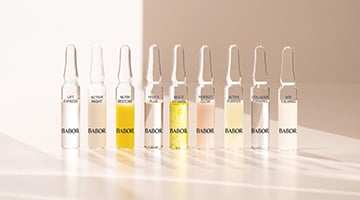
Next, apply any lightweight treatments. This is the perfect time for a highly concentrated serum or one of our signature Ampoule Concentrates, which deliver potent actives deep into the skin. After your serum has absorbed, it’s time for your collagen peptide cream. Gently massage it into your face, neck, and décolleté. If you use a face oil, it should always be the final step in your routine (before SPF in the morning), as it seals in all the products underneath.
Morning vs. Evening: When to Apply
For the best results, consistency is your best friend. We recommend applying your collagen peptide cream twice a day, once in the morning and once at night. Each application serves a unique purpose in your skincare journey. In the morning, the cream works to hydrate and plump your skin, creating a smooth canvas for makeup application while helping to protect your skin from environmental stressors throughout the day.
At night, your skin switches into repair mode. Applying a collagen peptide cream before bed supports this natural regeneration process, helping your skin rebuild and recover while you sleep. By making it a staple of both your morning and evening rituals, you provide your skin with around-the-clock support. Explore our complete collection of moisturizers to find the perfect texture for your day and night needs.
When to Expect Visible Results
Patience is a virtue, especially in skincare. While some benefits appear quickly, the most significant changes happen over time. In the first few days of using a collagen peptide cream, you’ll likely notice that your skin feels softer, more hydrated, and looks visibly plumper. This immediate effect is often thanks to hydrating ingredients that quench thirsty skin right away.
The real magic, however, happens with consistent, long-term use. After about four to six weeks, you should begin to see more profound results. This is the time it takes for the peptides to effectively signal your skin to produce more collagen. You’ll notice improved firmness, a smoother skin texture, and a visible reduction in the appearance of fine lines. Our DOCTOR BABOR collection is built on this principle of delivering powerful, visible results you can count on.
Is a Collagen Peptide Cream Right for You?
Deciding to add a new product to your routine is a big step, especially when you’re targeting something as specific as fine lines and firmness. The good news is that peptide creams are incredibly versatile and can benefit almost anyone looking to support their skin’s health and resilience. The key is finding the right formula that works in harmony with your unique skin type and concerns. Think of it less as a one-size-fits-all solution and more as a customizable tool for achieving your skin goals.
The Best Skin Types for Peptide Creams
Because peptides are a supportive ingredient, they play well with most skin types. It really comes down to the texture of the cream itself. If you have dry skin, look for a rich, nourishing cream that provides lasting hydration. For oily or combination skin, a lightweight lotion or gel-cream formula will absorb quickly without feeling heavy. If your skin is sensitive, you’ll want a product that is dermatologist-tested and free of common irritants. For mature skin, a luxurious cream from a line like DOCTOR BABOR can provide the targeted firming and elasticity support you’re looking for. Ultimately, the right peptide cream for you is one that feels great on your skin and fits seamlessly into your daily ritual.
What to Look for When Choosing a Product
When you’re on the hunt for a great peptide product, the ingredient list is your best friend. Peptides should be a star player. These small but mighty protein pieces act as messengers, signaling your skin cells to produce more of their own collagen. This process helps your skin become firmer, smoother, and plumper over time. You can find these powerful ingredients in a variety of products, from potent serums to hydrating eye creams and daily moisturizers. Adding a product with peptides to your daily skincare routine is a fantastic way to help keep your skin looking healthy and vibrant. Look for formulas that combine peptides with other beneficial ingredients to get the most out of every application.
Discover BABOR's Approach to Peptide Skincare
At BABOR, we believe in working with your skin, not just on it. Our approach to peptide skincare is rooted in precision and performance. We see peptides as intelligent messengers. These tiny but mighty protein fragments are small enough to journey past the skin's surface, where they deliver a clear message to your cells: it’s time to ramp up collagen production. This targeted strategy encourages your skin to repair and rebuild itself from within, restoring the structures that keep it looking firm and resilient.
This is why our high-performance skincare, especially the DOCTOR BABOR line, is so effective. We focus on what truly works. Instead of using large collagen molecules that can’t be absorbed, we use precision cosmeceuticals that get the job done. A perfect example is our DOCTOR BABOR Lifting Cellular Collagen Booster Cream, which is formulated to do exactly what its name suggests. It delivers a multi-pronged approach to support skin density and firmness. By encouraging the skin’s own natural processes, you’ll notice a visible improvement in texture, a reduction in the appearance of fine lines, and a complexion that looks and feels stronger. It’s about achieving lasting, tangible results through smart science.
Related Articles
Frequently Asked Questions
What’s the difference between a "collagen cream" and a "collagen peptide cream?" This is a great question because the difference is key to getting results. Think of it this way: whole collagen molecules are quite large, which makes it difficult for them to be absorbed by your skin. A collagen peptide cream, however, uses tiny fragments of collagen. These smaller pieces, or peptides, are able to penetrate the skin's surface where they act as messengers, signaling your skin to produce its own new collagen. It’s a much smarter and more effective approach.
Can I use a peptide cream with other active ingredients like retinoids or Vitamin C? Absolutely. In fact, peptides are fantastic team players in a skincare routine. Because their main job is to support your skin's structure and strength, they complement other ingredients beautifully. You can use a Vitamin C serum in the morning to protect your skin, followed by your peptide cream. At night, a peptide cream can help soothe and support the skin barrier, which is especially helpful if you are also using a powerful ingredient like a retinoid.
How soon will I see results, and what should I expect? You will likely notice some benefits right away. Thanks to hydrating ingredients that are often paired with peptides, your skin should feel softer and look plumper almost immediately. However, the true firming and smoothing benefits take a little more time. It typically takes about four to six weeks of consistent use for the peptides to successfully signal your skin to build new collagen. Patience and consistency are what deliver those long-term improvements in firmness and texture.
Are peptide creams only for people with visible wrinkles? Not at all. While peptide creams are excellent for reducing the appearance of existing fine lines and restoring firmness, they are also a fantastic preventative step. Our natural collagen production starts to slow down around age 30. By incorporating a peptide cream into your routine in your late 20s or early 30s, you are proactively supporting your skin’s foundation, helping to keep it strong and resilient for years to come.
Why should I use a topical peptide cream instead of taking a collagen supplement? This comes down to targeted action. When you ingest a collagen supplement, your digestive system breaks it down into amino acids, just like any other protein. There is no way to guarantee that those amino acids will be sent to your skin. A topical peptide cream, however, is applied directly to the area you want to improve. This ensures the messenger peptides get right to work on your skin cells, encouraging them to build more collagen exactly where you need it.


