The best skincare for aging skin is not a single product. It is a considered routine that supports the skin barrier, addresses visible concerns gradually, and accounts for daily exposure to sunlight, dry air, wind, and other surroundings. A steady approach makes it easier to judge what your skin responds to.
Explore the DOCTOR BABOR collection
What does environmental stress mean for skin?
Environmental stress is a broad way to describe conditions around you that may affect how skin looks or feels. Sunlight, wind, low humidity, indoor heating, air conditioning, and frequent temperature shifts can all be part of a person’s daily setting. A demanding schedule, travel, and changes in sleep or routine may also make it harder to maintain consistent care.
These influences are not identical, and their effects vary by person. Skin can feel tight after time in dry air, for example, while another person notices that a change in weather coincides with temporary sensitivity. Such observations are useful, but they do not establish a diagnosis or prove that one environmental factor caused a particular concern.
It helps to separate what you can observe from what you can control. You can note when skin feels uncomfortable, protect it from intense sun exposure, and choose a routine that is easy to maintain. You cannot control every feature of the environment, and skincare cannot eliminate all visible signs of aging. A measured routine is about supporting comfort and appearance, not promising a particular result.
How can you choose the best skincare for aging skin?
Start with your present skin needs rather than your age alone. Consider whether your main priorities are dryness, uneven-looking tone, rough texture, visible fine lines, or sensitivity. Several concerns can overlap, but choosing one or two priorities first helps keep the routine clear. It also gives you a more useful way to assess a product than relying on broad promises.
Read the product directions and decide whether the format fits your habits. A routine that is technically elaborate but difficult to follow may be less practical than a simpler sequence used consistently. Consider texture, how a product layers with the rest of your routine, and whether the suggested use fits your own tolerance and schedule.
Look for clear information about intended use, application, and precautions. Do not assume that a higher concentration, a more complex routine, or more frequent use is automatically a better fit. If you are unsure how a product fits your needs, a qualified skincare professional can help you review your options. BABOR’s Skincare Advisor is another way to explore product suggestions, while its routine guidance can help clarify the order of care.
Which routine steps help address daily exposure?
A useful routine can be organized around three ideas: gentle washing, hydration and barrier support, and daytime protection. The goal is not to add a separate product for every environmental factor. Instead, build a sequence that keeps skin comfortable and makes the most important daily habits easy to repeat.
1. Wash away the day without overdoing it
Use a face wash suited to your skin and follow its directions. In the evening, washing can remove makeup, sunscreen, and everyday residue. In the morning, choose an approach that leaves skin comfortable rather than tight. If a face wash repeatedly leaves your face feeling stripped, reassess its suitability and how often you use it.
A product’s texture and the way you use it both matter. Lukewarm water and a gentle touch are sensible starting points. Avoid scrubbing as a response to dullness or roughness; friction can add discomfort without addressing the reason for the texture. BABOR’s washing collection offers one place to review options, but individual fit still matters.
2. Support hydration and comfort
Moisturizer can help skin feel more comfortable and reduce the sense of dryness. Choose a texture that suits your preferences and the conditions you spend time in. A richer option may feel appealing in cold, dry weather, while a lighter texture may be easier to use in a warm or humid setting. These are preference-led choices, not universal rules.
Apply products in the order directed on their packaging. If you introduce a new leave-on product, add it gradually and avoid changing several steps at once. This makes it easier to notice whether the product suits you. When skin is persistently irritated or unusually reactive, pause experimentation and ask a qualified professional for guidance.
3. Make daytime sun protection a routine habit
Sun protection is a practical part of a daytime skincare routine. Follow the directions on your sunscreen, including how much to apply and when to reapply, and use other protective measures appropriate to your setting, such as shade or clothing. Choose a product that you are willing to use as directed. A routine can only be consistent when the steps are realistic for you.
For general dermatology guidance, the American Academy of Dermatology provides resources for the public. If you have a specific skin concern, seek advice suited to your circumstances rather than relying on a general article to assess it.
How do routine choices compare?
The table below is a planning aid, not a diagnosis or a ranking of products. It compares routine decisions by their role and the questions worth asking before you choose. Use the directions on each product and consider your own comfort, schedule, and environment.
| Routine choice | Primary role | What to consider | Practical next step |
|---|---|---|---|
| Face wash | Removes daily residue and prepares skin for following steps | Does skin feel comfortable after use? Does the format suit your routine? | Use as directed and avoid adding friction to address texture |
| Moisturizer | Supports a comfortable, hydrated feel | Does the texture suit your skin and the conditions around you? | Apply consistently and reassess if discomfort persists |
| Daytime sunscreen | Provides sun protection when used as directed | Can you apply it as instructed and repeat use when needed? | Pair the product with other suitable sun-protective habits |
| Targeted treatment | Addresses a selected cosmetic concern | Are the directions, precautions, and pace of introduction clear? | Add one new step at a time; ask a professional if uncertain |
When might a targeted product make sense?
Once the basic routine feels manageable, you may decide to add a targeted product for a particular cosmetic priority. Keep the choice specific. Someone focused on the look of uneven tone might seek a different product profile than someone whose main concern is dryness or texture. Product categories and ingredient names can offer clues, but they do not guarantee a result or establish that a product is suitable for every person.
Read the label for directions, frequency, and precautions. Avoid combining multiple new products at the same time, especially if you are not sure how your skin will respond. Introduce one change, use it according to directions, and pay attention to comfort. If you experience persistent irritation, stop use and seek appropriate professional advice.
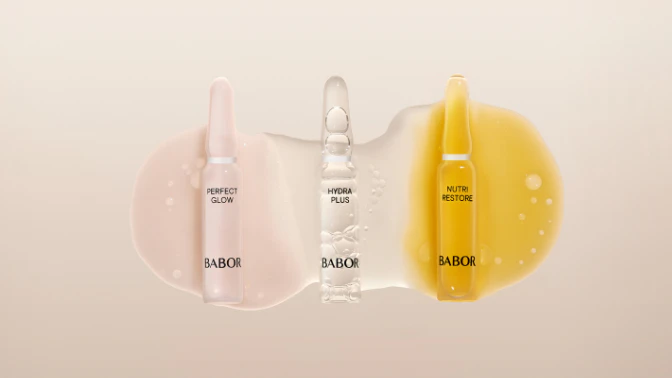
Concentrated ampoules are one format within BABOR’s product range. Their role depends on the individual product and its directions, so choose based on your own routine rather than assuming that every ampoule serves the same purpose. You can review the ampoule guide for help navigating this format.
Review targeted DOCTOR BABOR skincare
How can you adapt a routine to changing conditions?
Rather than rebuilding your routine every time the weather changes, make small adjustments. In colder or drier conditions, you might prefer a more nourishing moisturizer if your skin feels less comfortable. In warmer weather, you may favor lighter textures. Keep the core steps steady and change only what has a clear reason to change.
Travel can disrupt routines through different water, climate, schedules, and packing limits. Bring the products you already know how to use, keep their directions available, and avoid testing several unfamiliar steps during a trip. After returning, resume your normal sequence rather than trying to compensate with extra applications.
Indoor environments count as part of your day as well. Heating and air conditioning may make a room feel dry, but that does not mean every person needs a new product. Notice how your skin feels over time. Simple notes about products, weather, and comfort can help you identify patterns without treating every change as a problem to solve.
How can you assess whether a routine is working?
Define success in realistic, observable terms. Does your skin feel more comfortable? Is the routine manageable? Are you following product directions without persistent irritation? These questions are more useful than expecting a dramatic change on a fixed timeline. Cosmetic products differ, and the experience of using them can vary.
Give a new routine enough time for a fair assessment, while respecting all use directions and stopping if a product causes a concerning reaction. Keep a short record of what you used and how your skin felt. If you change several products at once, it becomes harder to identify which change mattered. A careful, one-at-a-time approach improves your ability to make an informed next decision.
Seek professional advice if a concern is persistent, worsening, painful, or otherwise worrying. A skincare routine is not a substitute for medical assessment. For help locating a nearby retailer or skincare professional, use BABOR’s retailer search. You can also review the ingredient glossary when you want to understand terminology used in product descriptions.
How can you make environmental observations useful?
Keep observations simple and focused on your own experience. You might note the setting, the products you used, and whether your skin felt comfortable, tight, or unusually reactive. The purpose is not to track every detail or search for a single cause. It is to notice whether the same circumstances repeatedly coincide with a change, then decide whether a modest routine adjustment is worth considering. If nothing feels different, there is no need to add a step simply because a season or setting has changed.
Separate exposure from routine. For example, a day spent outdoors may involve more sun, wind, or heat than a day indoors. That does not show which factor influenced how your skin felt. Keep the response practical: follow sunscreen directions, use suitable protective measures, and return to your regular routine. If discomfort continues, worsens, or causes concern, ask a qualified professional rather than repeatedly layering new products.
Consider the full pattern of use before judging an individual product. The amount applied, frequency, order, and combination with other products can all affect the experience of a routine. Follow the label and avoid using a product in a way that conflicts with its directions. If you are introducing something new, write down when you began and keep the rest of your routine stable when possible. This gives you a clearer basis for deciding whether the product is a good fit.
What does a balanced routine look like across a day?
A morning routine can stay concise. Begin with a wash if it suits your skin, then use your chosen moisturizer and daytime sunscreen according to their directions. Give products time to settle as directed before adding makeup or other layers. If the products do not layer comfortably, adjust the texture or sequence rather than applying more of everything. A comfortable routine is more likely to become a lasting habit than one that feels cumbersome.
In the evening, remove makeup and sunscreen as directed by the products you use, then apply moisturizer and any targeted product that belongs in your routine. Avoid assuming that nighttime is a reason to use more actives or more steps. The exact products depend on your preferences and concerns. Keep directions close at hand and make sure each product has a clear purpose in the sequence.
Some people prefer a short routine; others value a more involved ritual. Both can be reasonable when the products are appropriate for the individual and used as directed. What matters is knowing why each step is present. If two products appear to serve the same purpose, review their directions and consider whether both are necessary for your routine. A thoughtful edit can be as useful as adding another item.
What should you remember when choosing skincare?
The best skincare for aging skin is a considered match between your priorities, your environment, and a routine you can follow. Begin with the basics: gentle washing, hydration that feels comfortable, and daytime sun protection used as directed. Add targeted care only when you have a clear reason, and introduce one change at a time.
Environmental conditions can influence how skin feels, but they do not determine the same outcome for everyone. Watch for patterns, avoid overcomplicating your routine, and seek individualized advice when a concern needs more than general guidance. A professional perspective can help you choose products with greater confidence and keep your routine grounded in your own needs.
Explore professional skincare options
Frequently asked questions
Can environmental conditions make skin feel dry?
Some people notice a less comfortable or drier-feeling complexion in certain conditions, such as low humidity or wind. Responses differ. Choose a moisturizer that suits your preferences, follow its directions, and seek professional advice if discomfort persists.
Should I change my routine with every season?
Not necessarily. Keep the steps that work for you and consider a small adjustment only when your needs or comfort change. For example, you may prefer a different moisturizer texture in a different climate. Avoid changing multiple products at once.
How many new products should I introduce at the same time?
One at a time is a practical way to assess fit. Follow the product directions and observe how your skin responds before making another change. If you are unsure about a product or have a history of sensitivity, ask a qualified professional for guidance.
Can skincare prevent every visible sign of aging?
No skincare routine can promise to prevent every visible change. Product selection should be based on your cosmetic priorities, product directions, and personal tolerance. A qualified professional can help address questions that require individualized assessment.
A thoughtful routine is built through informed choices, regular care, and attention to how your skin responds over time.